Introduction to Classes
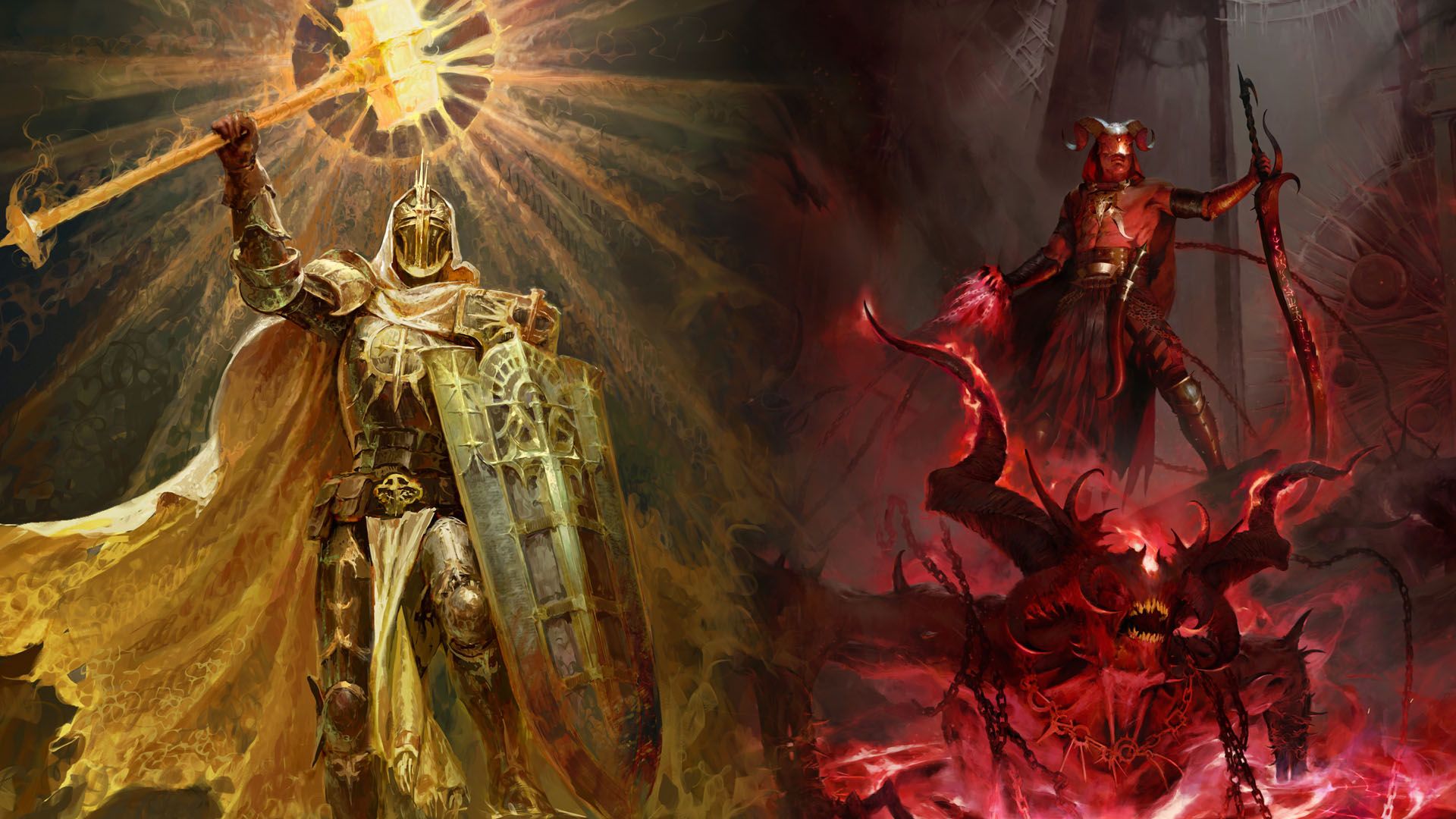
In the expansive world of Diablo 4: Lord of Hatred, players are faced with an intriguing choice: will you wield divine powers as a Paladin or summon demonic minions as a Warlock? These newly introduced classes provide distinct gameplay experiences, each catering to different playstyles and preferences. With the latest DLC, players have a golden opportunity to explore the depths of Sanctuary and engage with its myriad threats through the lens of either class.
Choosing a class can significantly impact your adventure, and it's essential to reflect on your gaming goals. Understanding the strengths and weaknesses of both the Warlock and Paladin will enhance your experience, particularly as you navigate the intricate narrative of this DLC. This guide aims to clarify the advantages and disadvantages of each class, helping you make an informed decision.
Overview of the Paladin Class
The Paladin class is known for its capacity to endure the harsh realities of combat while providing a straightforward gameplay experience. Particularly during the Lord of Hatred campaign, players have noted that Paladin stands out due to its impressive survivability. With skills like 'Defiance Aura' that bolster armor and resistances, as well as 'Consecration' for healing, this class can weather boss encounters with relative ease.
Moreover, the Paladin possesses strong crowd-control capabilities through skills such as 'Condemn,' making it an excellent choice for exploring the newly designed dungeons. Players have reported that even those unfamiliar with the game can quickly grasp the mechanics of the Paladin, allowing them to assemble effective builds without extensive research. However, while the class excels in straightforward combat, it lacks the mobility of the Rogue and the explosive damage potential of the Sorcerer, leading to a more methodical pace in gameplay.
Pros and Cons of the Paladin
The Paladin's advantages are clear, particularly for players who prefer a more relaxed approach to combat. The class's high durability and effective healing methods mean that players can tackle boss fights without the constant worry of being overwhelmed. This reliability makes the Paladin an excellent choice for those who are either new to the game or returning after a hiatus.
Nevertheless, there are downsides to consider. The lack of speed and maneuverability can become cumbersome as players progress through the campaign. As you encounter tougher enemies and more intricate mechanics, the simplicity that makes the Paladin accessible may also result in a feeling of repetitiveness. While the Paladin provides a solid foundation, some players may find themselves seeking a more dynamic gameplay experience.
Exploring the Warlock Class
In stark contrast, the Warlock class offers a more complex and engaging gameplay style, making it ideal for players seeking a challenge. This class revolves around summoning demons, cursing enemies, and utilizing powerful hellfire abilities to dominate the battlefield. The variety inherent in the Warlock's skill set keeps the gameplay fresh and encourages experimentation.
As players level up their Warlock, they can combine various abilities to create unique builds, such as summoning a demon capable of cursing foes or even transforming themselves into a demon. The addition of Soul Shards adds another layer of depth, enabling players to call forth unique demons to assist them in battle. This complexity can be enticing, especially for veteran players who appreciate intricate mechanics and strategic gameplay.
Warlock's Challenges and Survivability
While the Warlock class boasts impressive offensive capabilities, it also requires players to navigate the dangers of combat with care. Unlike the Paladin, which can take hits and survive through sheer durability, the Warlock must focus on eliminating enemies before they can retaliate. This necessitates a strategic approach, especially during boss fights where positioning is crucial.
Despite its high damage potential and crowd-control abilities, such as 'Tyrant's Grasp' which can pull enemies away, the Warlock's squishiness means that mistakes can lead to fatal consequences. Players who enjoy the thrill of high-risk, high-reward gameplay will find the Warlock appealing, but those who prefer a safer approach may struggle. Skills like 'Nether Step' can help mitigate danger, but being careless can quickly result in defeat.
Complexity and Learning Curve
The Warlock class, while rewarding, comes with a steeper learning curve compared to the Paladin. New players may find it overwhelming to manage two resources, Wrath and Dominance, which are essential for executing the class's abilities effectively. This requirement for resource management means that players must pay close attention to their skill rotations and energy levels.
Moreover, crafting a successful Warlock build often involves extensive testing to find the right skill synergies that complement your playstyle. This complexity can be a barrier for some, but it also offers a rich, rewarding experience for those willing to invest the time. As players master the intricacies of the Warlock, they will likely discover a depth of strategy and creativity that enhances their enjoyment of the game.
ZenilGames Commentary
The choice between Warlock and Paladin ultimately hinges on player preference and playstyle. For newcomers or casual players, the Paladin offers a more relaxed entry into the game, allowing them to enjoy the story and engage with the mechanics without being overwhelmed. Its straightforward approach makes it an ideal choice for those who simply want to experience the narrative without the added stress of complex resource management.
On the other hand, the Warlock appeals to seasoned players who thrive on challenge and complexity. The ability to command demons and manipulate the battlefield provides a unique and engaging gameplay experience. For those who appreciate strategic depth and the thrill of high-stakes combat, the Warlock emerges as the clear winner. However, it is essential for players to weigh their own preferences against the demands of each class.
Ultimately, both classes have their merits, and players should consider what aspects of gameplay they value most. Whether you prefer the steadfast reliability of the Paladin or the dynamic, chaotic nature of the Warlock, Diablo 4: Lord of Hatred offers a rich tapestry of experiences for players to explore.
Frequently Asked Questions
Which class is better for new players?
The Paladin is generally recommended for new players due to its straightforward mechanics and survivability, allowing for a more relaxed gameplay experience.
Can I switch classes during the game?
In Diablo 4, you cannot switch classes once you've chosen one for your character. However, you can create additional characters to try out different classes.
Is the Warlock class harder to play than the Paladin?
Yes, the Warlock class has a steeper learning curve due to its complexity and resource management, making it more challenging than the Paladin.