Introduction to Crimson Desert
Crimson Desert has emerged as a significant title in the gaming landscape, captivating players with its expansive open world and engaging mechanics. Despite its popularity, a surprising statistic has surfaced: only about 20% of players have reached the midpoint of the main story. This phenomenon raises questions about player engagement and the nature of the game's narrative. Is the sheer size of the game detracting from the story experience, or are players simply drawn to the myriad of activities available outside the main quest?
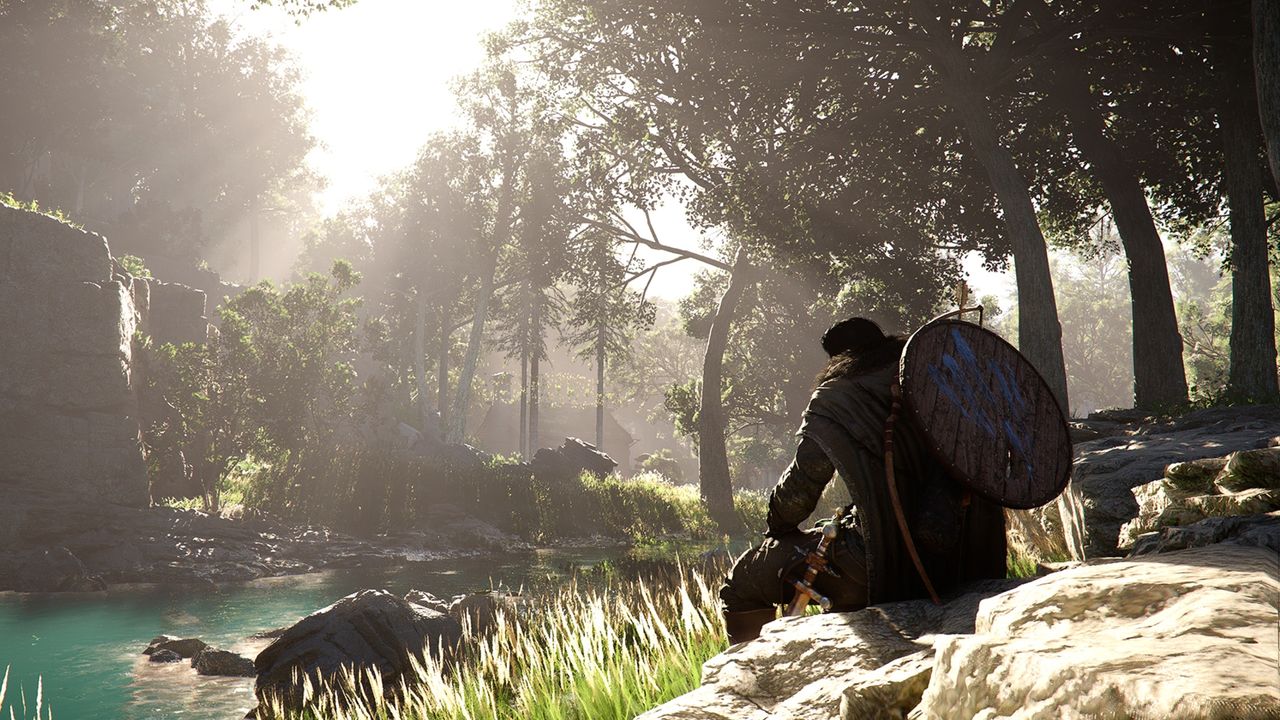
The initial impression many players receive from Crimson Desert is one of vastness and potential. Promotional materials leading up to the game's release emphasized the diverse activities available, from taming animals to exploring rich landscapes. This emphasis on exploration and side quests might explain why many players seem to prioritize them over the central storyline. The game’s design potentially encourages a focus on exploration, allowing players to enjoy the freedom it presents.
Player Statistics and Engagement
Recent insights from PC Gamer reveal that a mere 22.1% of players have completed the Protector of Pailune achievement, which signifies reaching Chapter 7 of the main quest. This statistic indicates that a significant majority of players have not engaged deeply with the narrative. Moreover, similar figures were noted on the PlayStation platform, where only about 20.09% of PS5 players have reached the same chapter milestone, reaffirming the trend across multiple platforms.
This disconnect between gameplay and story progression may suggest that players are finding satisfaction in the game’s exploration elements rather than its narrative foundation. The fact that many users are spending extensive hours on side quests or simply enjoying the world may indicate a design choice by Pearl Abyss that prioritizes gameplay variety over storytelling depth.
Critiques of the Narrative
While Crimson Desert showcases visually stunning landscapes and engaging mechanics, some players and critics have pointed out that the story could be perceived as a weaker component of the game. Heo Jin-young, the CEO of Pearl Abyss, acknowledged that the narrative aspect of Crimson Desert may not be as strong as it could be. This admission from a high-ranking official in the studio suggests a level of awareness regarding the game’s narrative shortcomings.
Furthermore, Trevor McEwan, the motion capture actor for the character Kliff, commented on the narrative aspect, stating, "I think what it lacks in narrative it more than makes up for in other aspects." His acknowledgment of hidden lore throughout the game highlights that while the main storyline may be lacking, players can still discover intriguing elements that enrich the world-building.
Comparative Analysis with Other Open World Games
The phenomenon of players becoming engrossed in gameplay rather than story is not unique to Crimson Desert. Titles like The Legend of Zelda: Breath of the Wild and Red Dead Redemption 2 have shown similar trends. Many players invested countless hours in exploring these vast worlds before eventually confronting their main story challenges. This raises the question: can a game thrive even if its narrative is overlooked?
In Crimson Desert, the focus on exploration seems to resonate with players, much like in Breath of the Wild, where players often found joy in the journey rather than the destination. The allure of engaging with the environment, completing side quests, and participating in activities may ultimately define the player experience more than the completion of the main storyline.
ZenilGames Commentary
From an editorial perspective, the situation surrounding Crimson Desert is intriguing. The game’s vast world offers players countless opportunities for exploration, which may inadvertently lead to neglecting the narrative. Many gamers find themselves enticed by the freedom of choice and the variety of activities available. This can create a gameplay loop where players prioritize their enjoyment of the environment over the structured narrative.
It’s essential to recognize that while a compelling story can enhance an experience, it's not the sole factor that contributes to a game's success. In the case of Crimson Desert, the developers have created a world that encourages players to engage with it on their terms. For some, the joy found in the open world may outweigh any shortcomings in the plot.
As the gaming industry evolves, it’s becoming increasingly clear that player preferences vary widely. Some players thrive on narrative-driven experiences, while others favor open-world exploration and creativity. Crimson Desert's success, despite its narrative shortcomings, illustrates the diverse nature of player engagement and the importance of catering to various play styles.
Frequently Asked Questions
Why do so few players complete the main story in Crimson Desert?
The extensive open world and plethora of side activities available in Crimson Desert encourage players to explore and immerse themselves in gameplay, which may distract from the main narrative.
How does Crimson Desert's story compare to other open-world games?
While many open-world games prioritize strong narratives, Crimson Desert's focus on exploration and gameplay mechanics has led some players to engage more with the world than the story.
What is the significance of player engagement in gaming?
Player engagement showcases how players interact with a game's features, indicating what aspects resonate most with them, whether it be story, exploration, or gameplay mechanics.