Introduction to Final Fantasy 7 Rebirth
The gaming community has long awaited the arrival of Final Fantasy 7 Rebirth, the second installment in Square Enix’s ambitious remake trilogy. This title builds upon the foundation set by its predecessor, Final Fantasy 7 Remake, and promises a more expansive experience, particularly with the introduction of open-world elements. As anticipation grows, it is essential to examine how well this game adapts to Nintendo’s latest console, the Switch 2, which has already shown remarkable capabilities since its release less than a year ago.
In a world where gaming consoles are constantly evolving, the Switch 2 stands out as a unique hybrid device that offers both portability and power. Despite being compared to more traditional consoles from Sony and Microsoft, the Switch 2 has proven its mettle with successful ports of various AAA titles. Among these, Final Fantasy 7 Remake Intergrade serves as a benchmark for what players can expect from the Switch 2 version of Rebirth, showcasing the hardware's ability to handle demanding graphics and gameplay.
Challenges of Porting to Switch 2
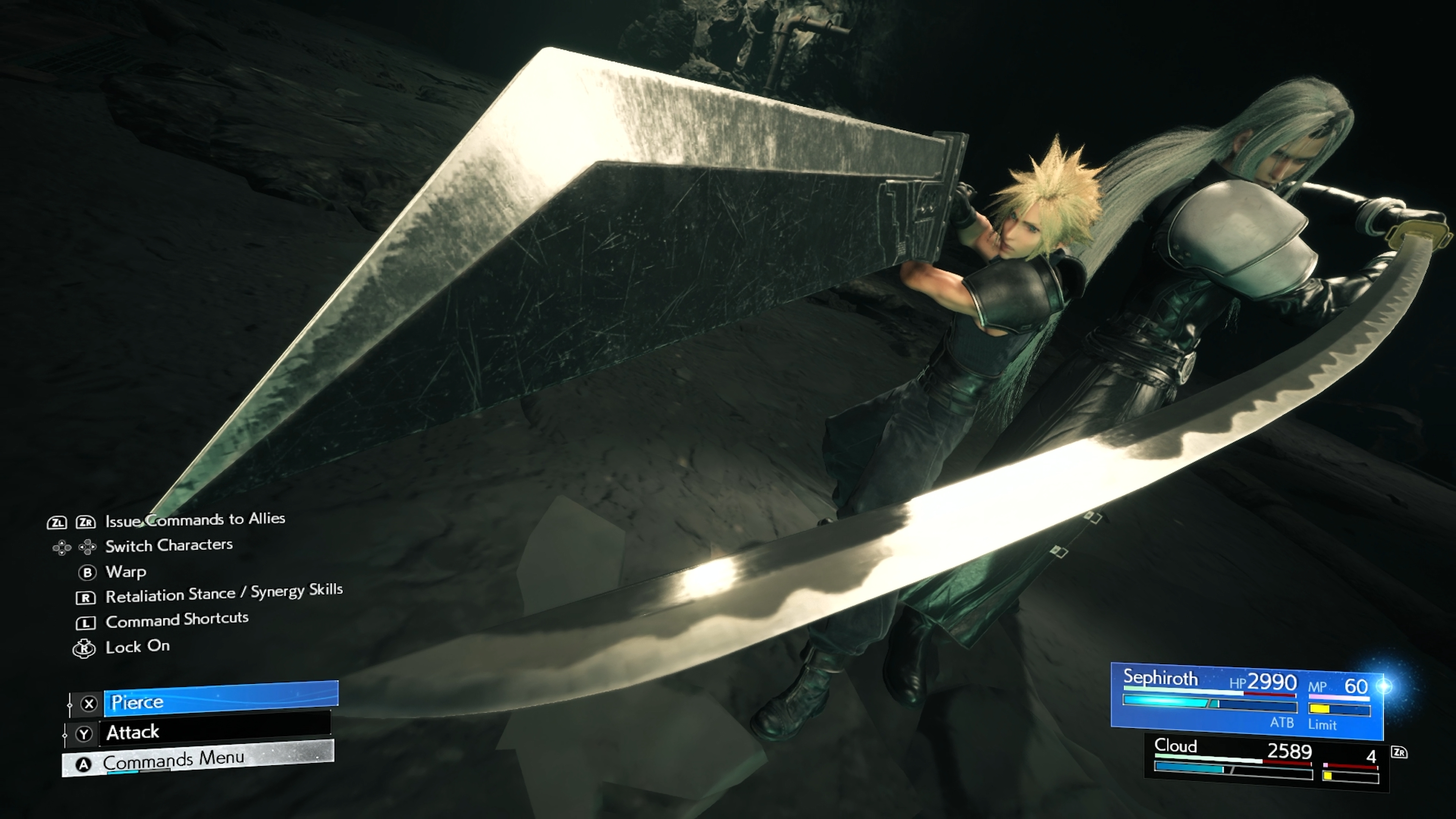
The journey to port Final Fantasy 7 Rebirth to the Switch 2 was not without its challenges. Initially, the development team had to ensure the game could run smoothly on the new hardware, which took a full year of work. After achieving a baseline functionality, they entered a three-month optimization phase focused on refining performance metrics. This thorough process ensured that the game could maintain a stable frame rate of 30 frames per second while delivering high-definition visuals, particularly in docked mode.
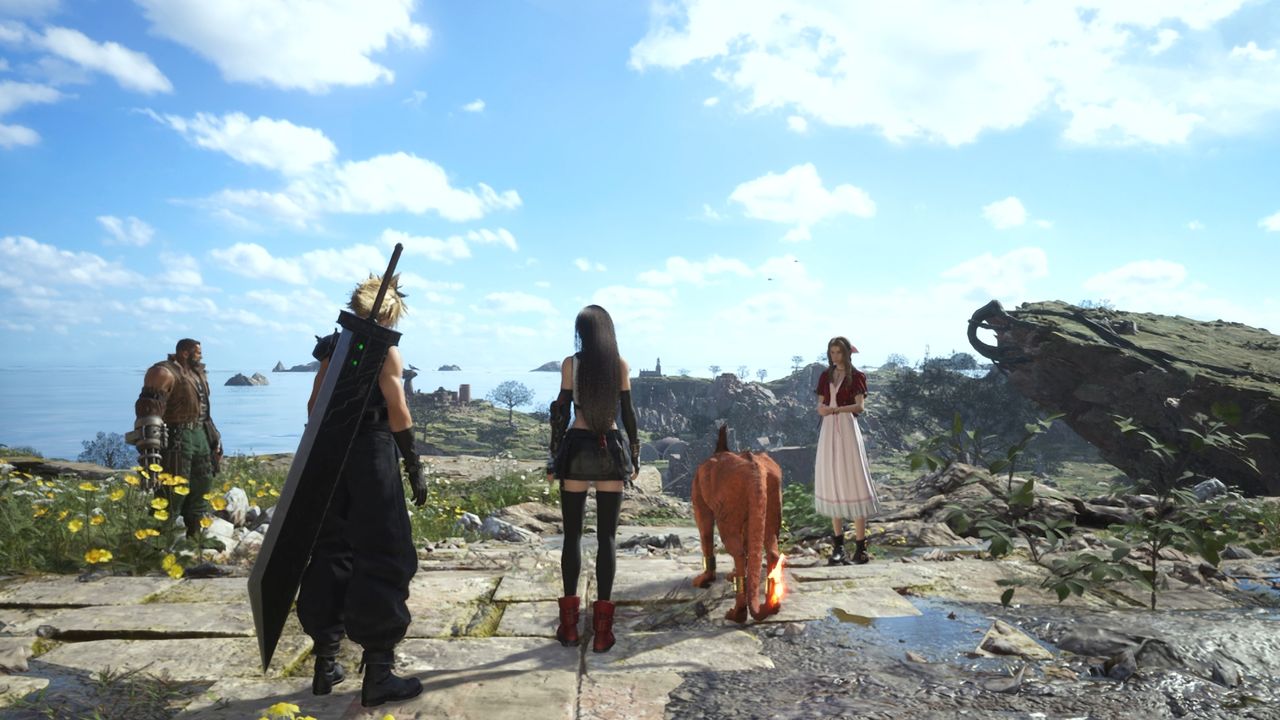
Naoki Hamaguchi, the Game Director for Remake Intergrade, emphasized the significance of this porting endeavor. He stated, "Porting the Switch 2 version of Remake based on the Intergrade build was a very meaningful endeavor," highlighting that the experience was not just about transferring the game but also about gaining insights into the Switch 2's technical specifications. This hands-on approach allowed the team to tackle challenges proactively, ensuring that they remained focused on delivering a polished product.
Scaling Up for Open-World Gameplay
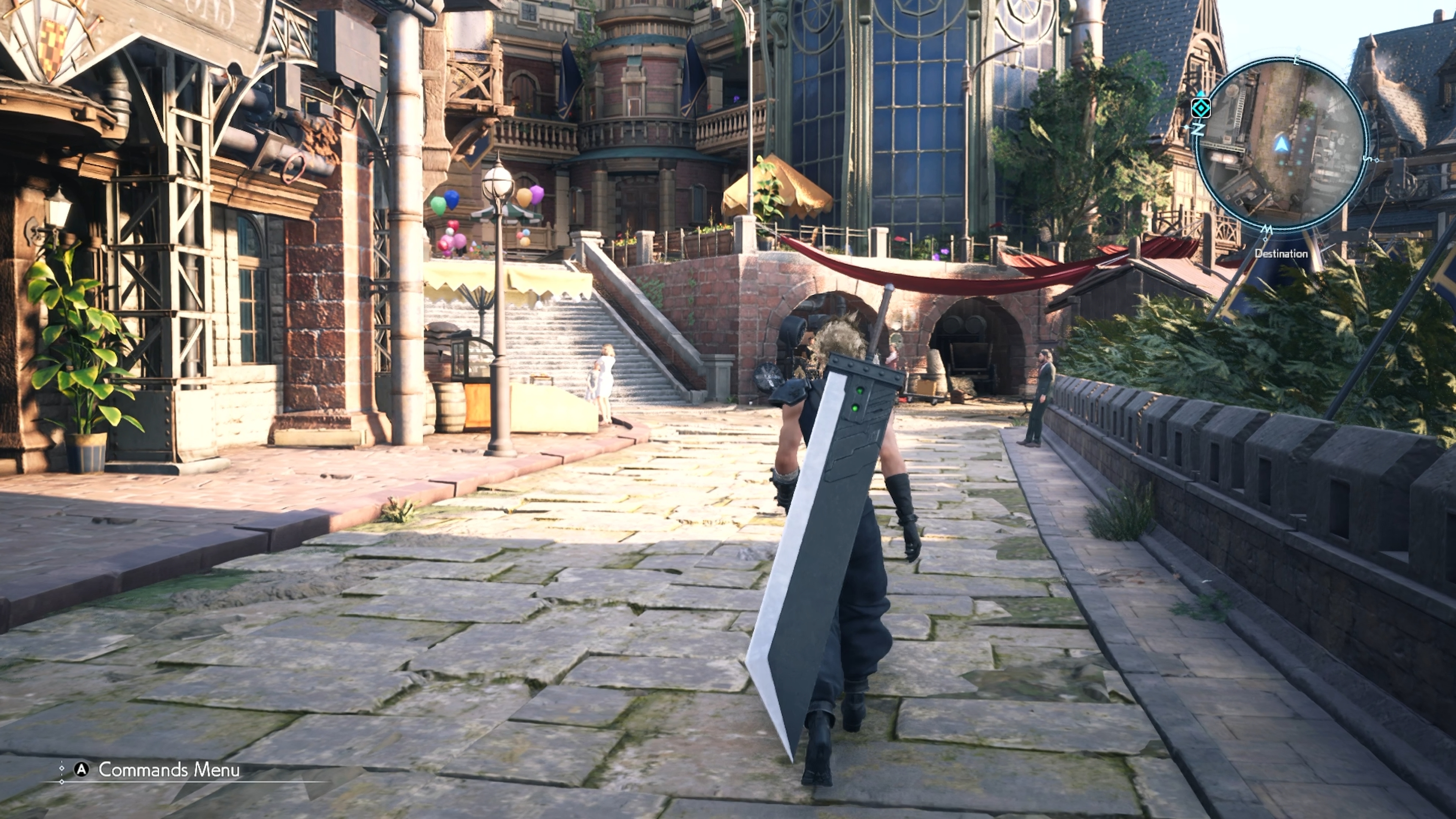
While Final Fantasy 7 Remake was a more linear experience, Rebirth dramatically expands the game’s scope, introducing larger, open-world sections that were first showcased on the PlayStation 5. This shift raised questions about whether the Switch 2 would be able to handle such a significant increase in scale and complexity. Hamaguchi expressed confidence, stating, "Based on our experience with Remake, we felt confident that we could handle the scale," but acknowledged the distinct technical hurdles posed by an open-world design.
Maintaining a consistent frame rate is crucial in delivering a smooth gaming experience, especially during exploration and combat. Hamaguchi reiterated that the team’s primary goal was to ensure stability, stating, "Our goal of 'consistently aiming for 30fps wherever possible' is not about sticking to a specific number, but about ensuring a stable feel during exploration and combat." This commitment reflects a broader understanding of what players expect from their gaming experiences.
Gameplay Experience on Switch 2
Recent demonstrations of Final Fantasy 7 Rebirth showcased its opening chapters, allowing players to explore the stunning Grasslands. During these sessions, particularly in handheld mode, performance metrics showed promising results, with the game maintaining a locked 30fps throughout gameplay. For comparison, the graphical fidelity appeared similar to low-end PC builds, indicating that the Switch 2 can indeed hold its own against more powerful consoles.
According to Hamaguchi, several strategies were implemented to achieve this level of performance. The team conducted stress tests in the Junon and Gongaga sections to assess the most resource-intensive environmental designs. Additionally, a comprehensive reconstruction of the game's rendering process on Switch 2 was undertaken, which involved reorganizing how the environment is rendered and implementing culling techniques to enhance performance.
Optimizing Visuals for Hardware
Visual fidelity is a crucial aspect of any modern video game, and Final Fantasy 7 Rebirth is no exception. The developers undertook significant optimizations specifically tailored for the Switch 2 hardware. Hamaguchi explained that this was not merely about reducing detail but involved a complete redesign of the level of detail (LOD) stages and material expressions. The team aimed to strike a balance between visual richness and performance, ensuring that critical elements of the game remained intact while minimizing load spikes.
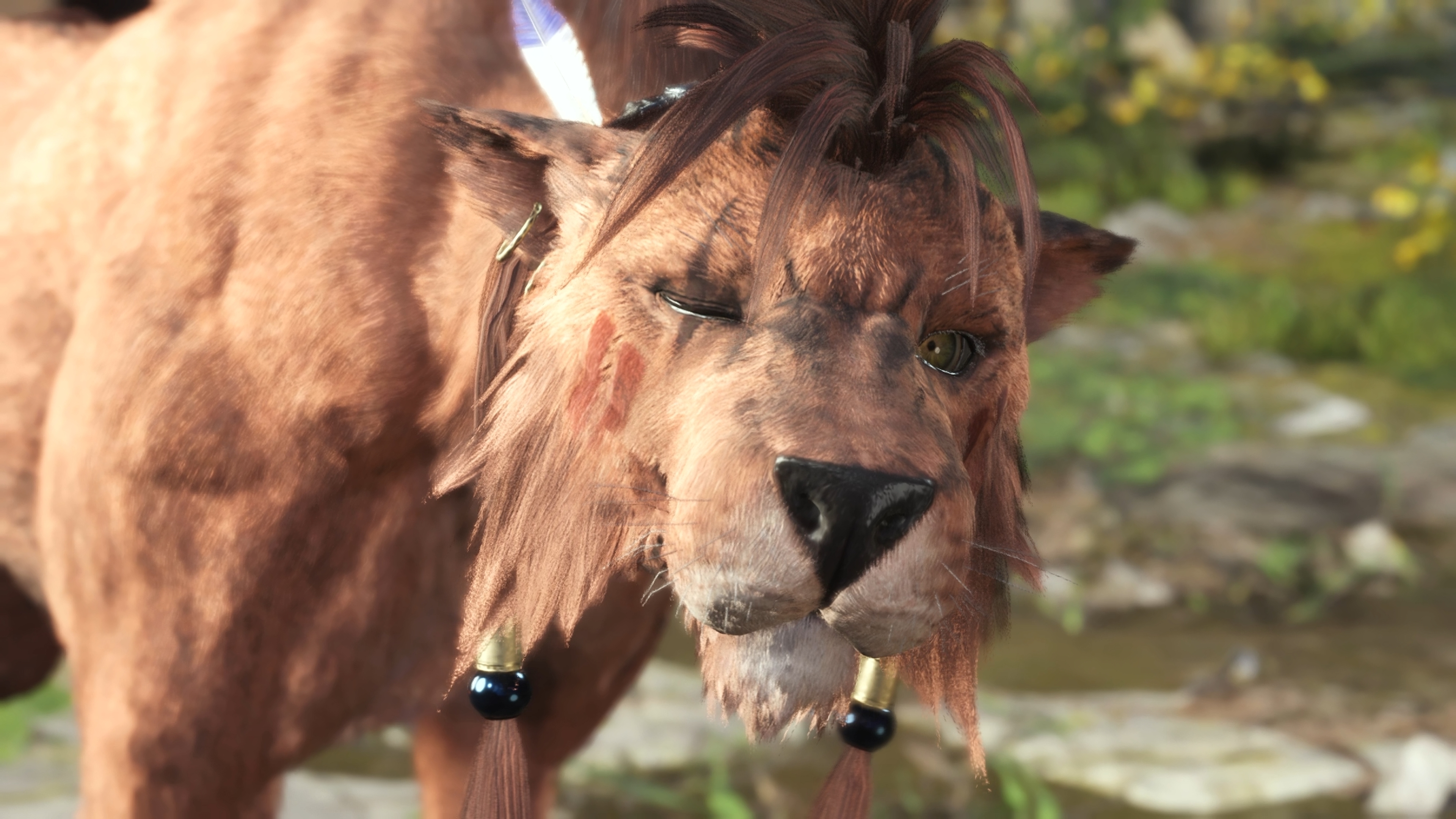
One notable challenge was rendering hair and fur, where the PS5 version saw considerable improvements over the original Remake. On the Switch 2, the developers opted to apply a slight blur effect to hair, which helps mitigate issues with artifacts and ghosting that can occur when using dynamic resolution scaling. This approach reflects a thoughtful consideration of how to maintain quality without compromising performance.
ZenilGames Commentary
As Final Fantasy 7 Rebirth makes its way to the Nintendo Switch 2, it’s intriguing to witness how these adaptations cater to the unique audience of Nintendo gamers. Historically, Nintendo consoles have been viewed as family-friendly and less focused on hardcore gaming experiences. However, the inclusion of more sophisticated titles like Rebirth signals a shift in this perception, demonstrating that the Switch 2 is indeed capable of hosting complex, mature gaming narratives.
The transition from a linear narrative to an expansive open-world format in Rebirth is an exciting development for both long-time fans and newcomers. Players are eager to explore a richly detailed world filled with unique characters and intricate storylines. This evolution not only enhances gameplay but also invites players to engage more deeply with the universe of Final Fantasy, fostering a sense of connection and immersion that was less pronounced in earlier installments.
Moreover, the emphasis on performance optimization reveals a commitment to delivering a high-quality gaming experience. As players increasingly demand stability and graphical fidelity, titles like Rebirth must rise to the occasion. The developers’ attention to detail, from maintaining frame rates to optimizing rendering techniques, showcases their dedication to crafting an experience that resonates with a diverse audience, ultimately bridging the gap between handheld and traditional gaming.
Frequently Asked Questions
What are the primary enhancements in Final Fantasy 7 Rebirth for Switch 2?
Final Fantasy 7 Rebirth on Switch 2 features optimizations for performance, including a stable 30fps frame rate and enhanced visual fidelity tailored for the hardware. The game also includes open-world elements that expand the gameplay experience significantly compared to its predecessor.
How does the Switch 2 compare with other consoles for gaming?
The Switch 2 has proven to be a capable device for AAA titles, showcasing performance that can rival traditional consoles. Its hybrid nature allows for both handheld and docked gameplay, making it versatile for various gaming styles.
Will there be any limitations when playing on Switch 2?
While the Switch 2 has shown impressive capabilities, players may notice some visual differences when compared to high-end consoles like the PS5. However, the developers have worked diligently to ensure that the overall experience remains enjoyable and engaging.