Introduction to LA Noire
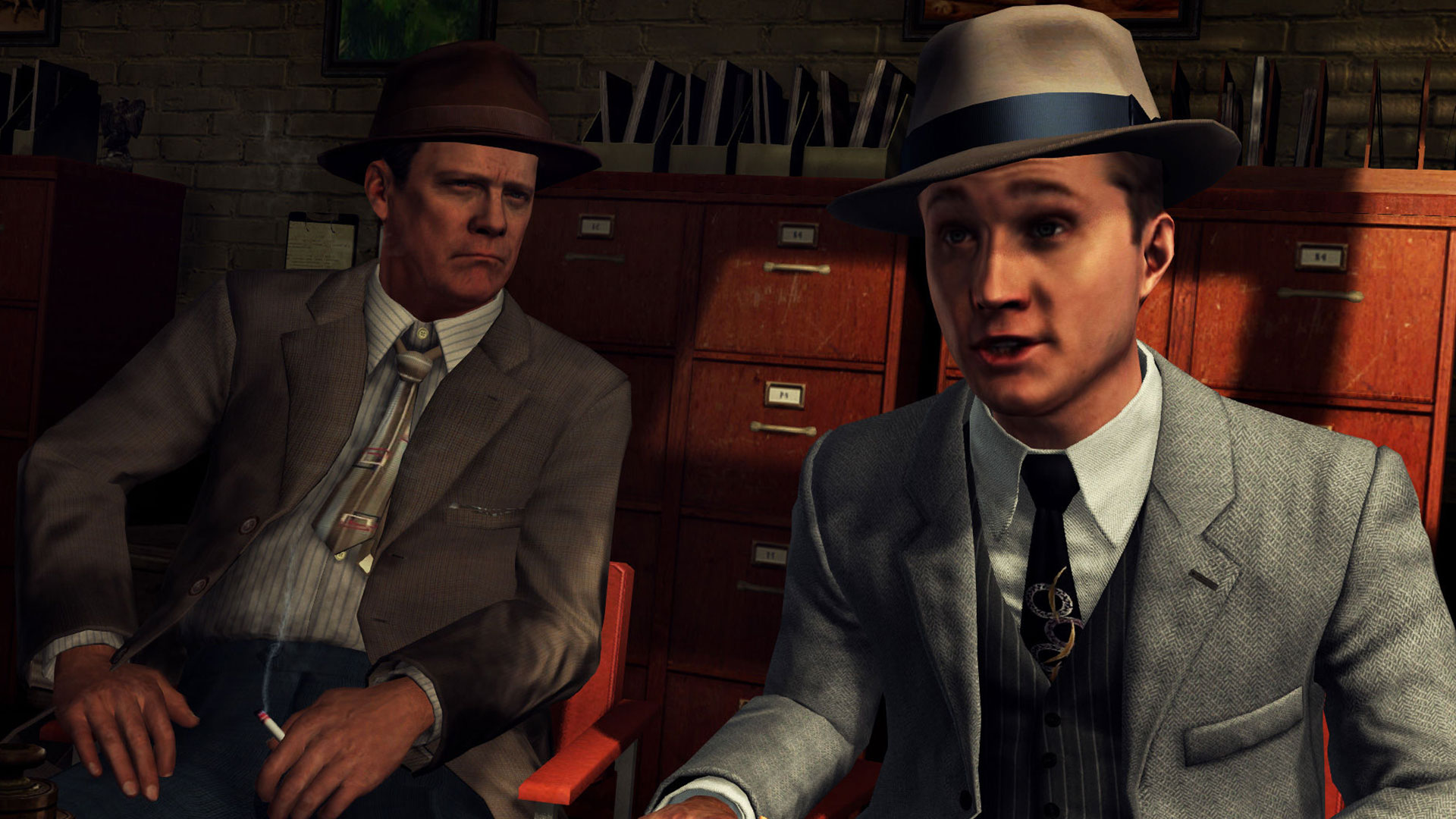
LA Noire, released in 2011, has remained a pivotal title in the landscape of video games, particularly within the detective genre. When I first encountered this game, its promise of a sleek murder mystery experience captivated me, but it was the innovative facial animation technology that truly sealed my interest. The game's ability to convey emotion and deception through characters' facial expressions set a new benchmark for realism in gaming, and even today, its impact is still felt.
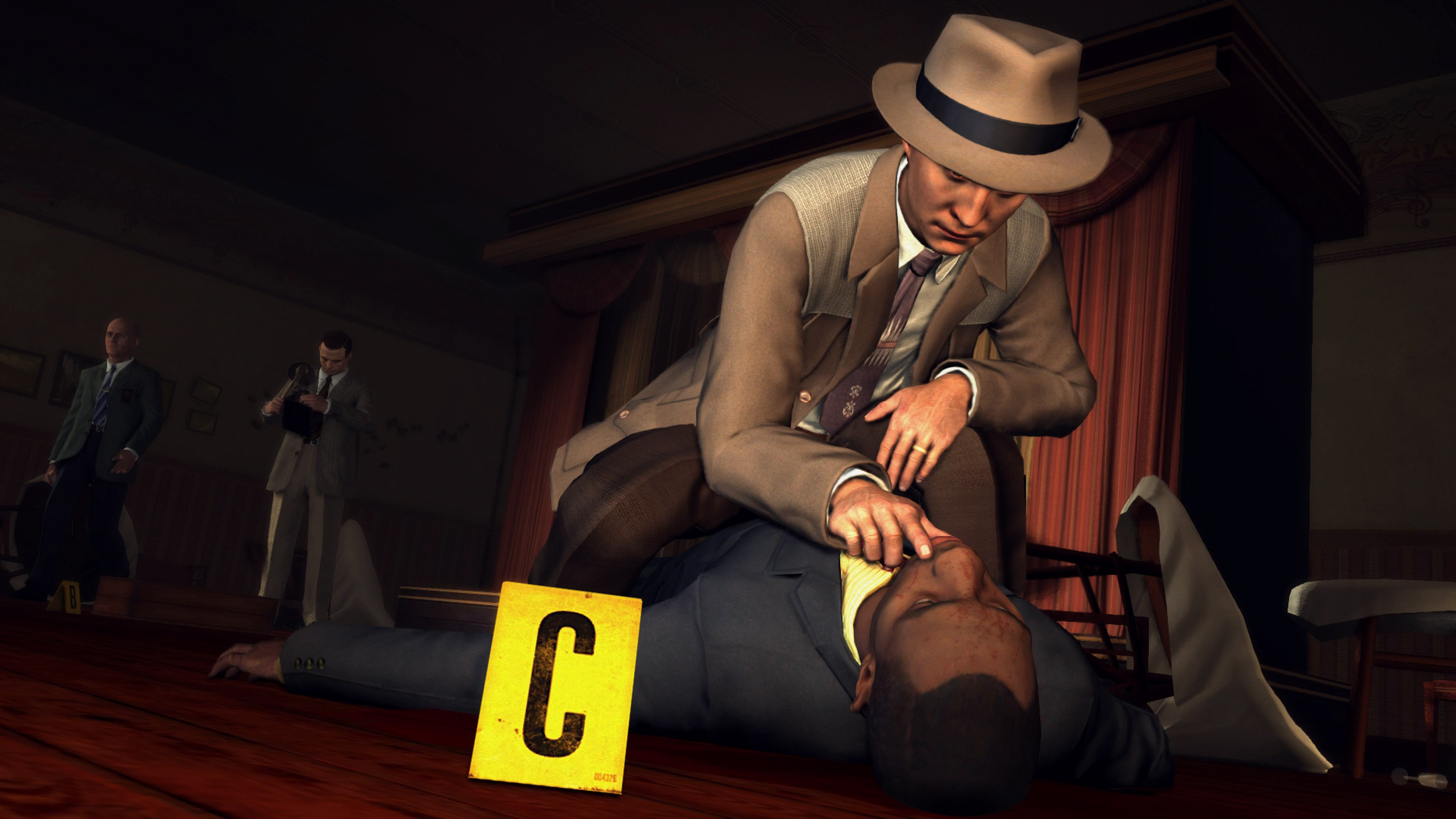
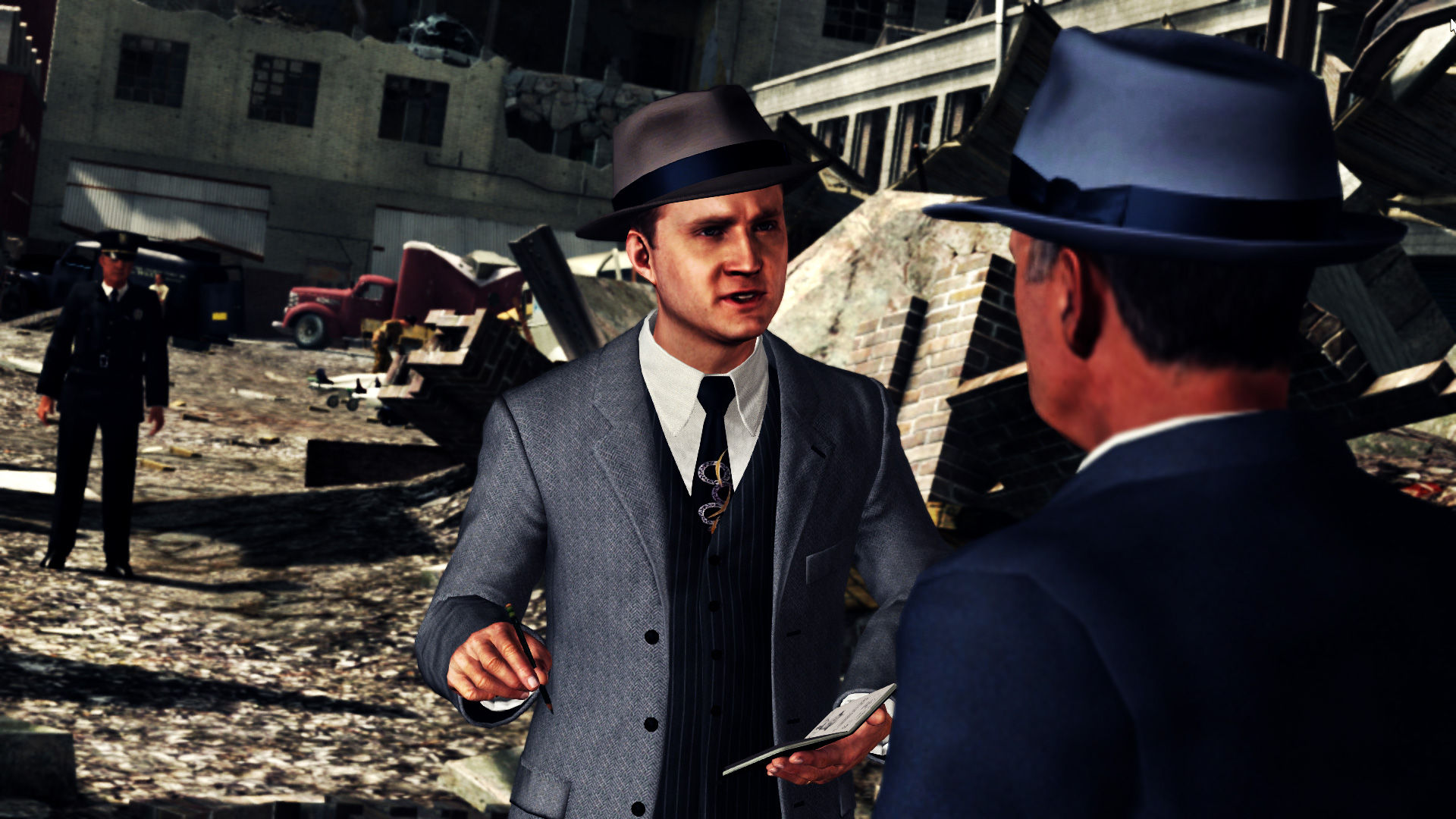
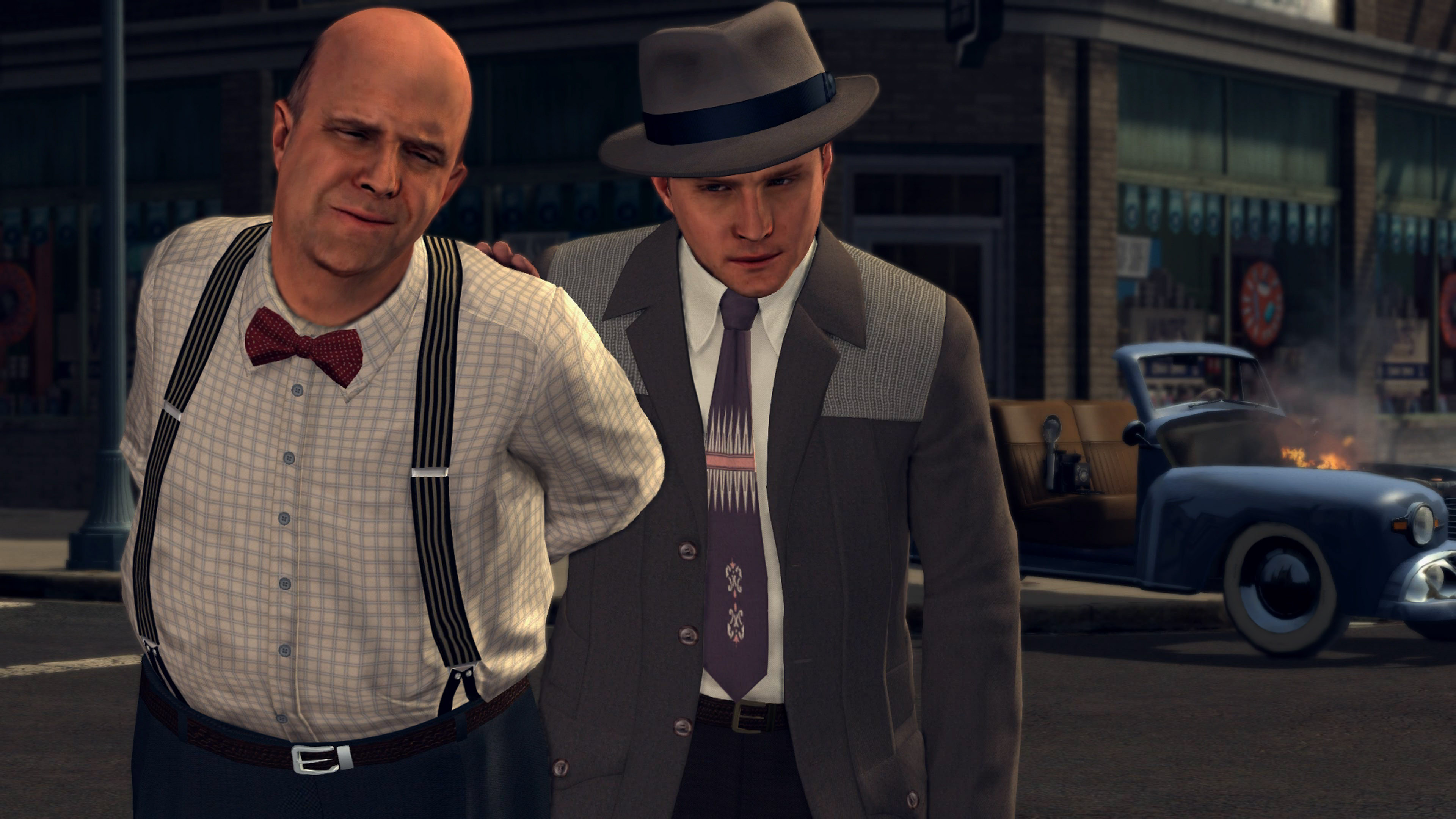
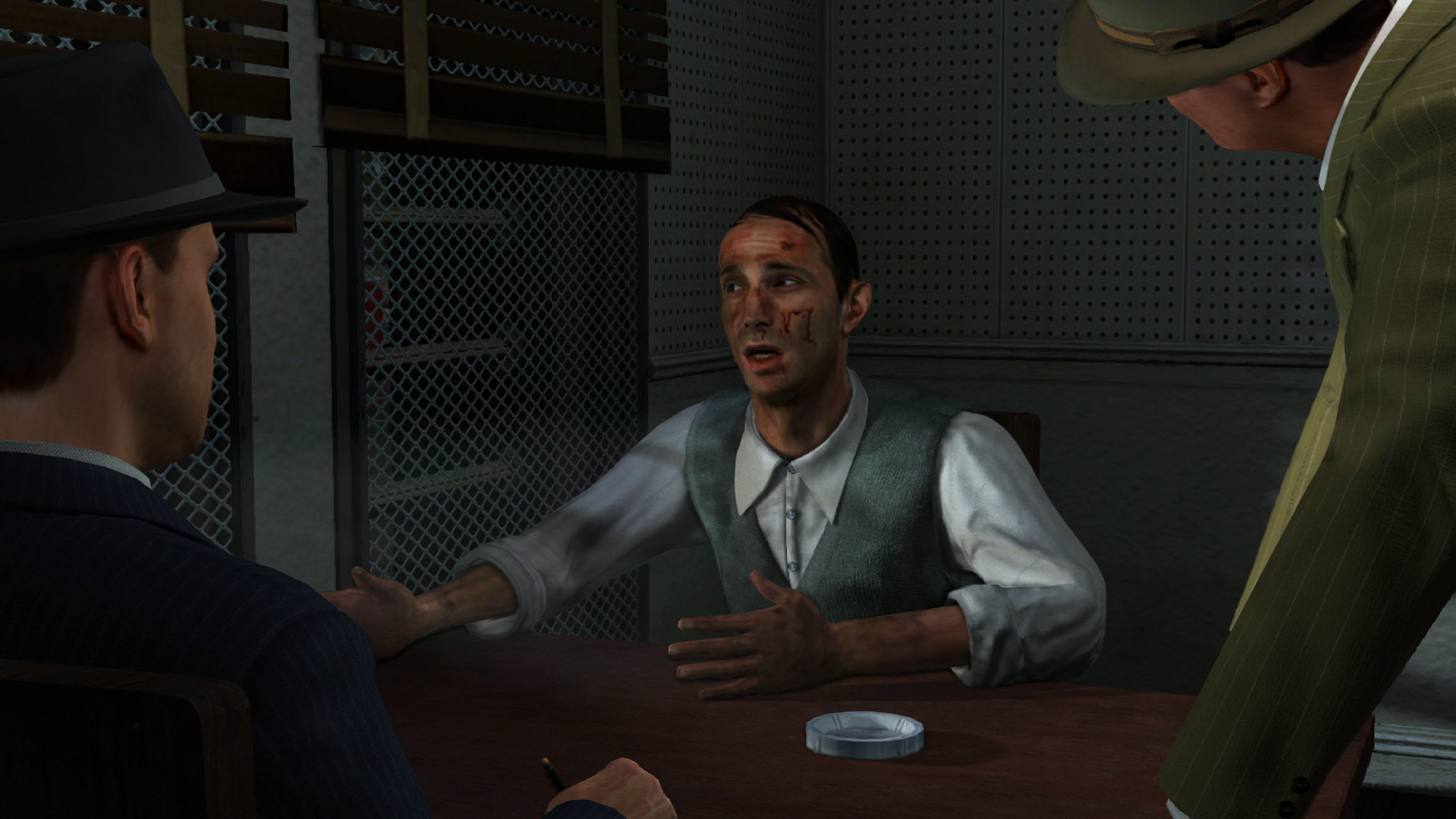
In a time when graphics were rapidly evolving, LA Noire stood out not just for its storyline but also for its pioneering use of MotionScan technology. This system allowed for incredibly realistic facial animations, which made interrogation scenes feel as if they were plucked straight from a cinematic experience. Players could observe subtle cues in a suspect's demeanor, such as darting eyes or nervous twitches, providing a layered gameplay experience that challenged traditional mechanics.
The Evolution of MotionScan Technology
MotionScan, developed by Depth Analysis, utilized an impressive array of 32 high-definition cameras to capture the intricate details of real actor's faces. This process was akin to hand-drawn stop motion, allowing developers to create lifelike 3D models that reflected a vast spectrum of human emotions. The ambition behind this technology was remarkable, marking a significant evolution in the realm of realistic facial animations that many games today strive to emulate.

However, the implementation of MotionScan was not without its challenges. The technology was limited to capturing only the upper half of characters' faces, necessitating separate animations for their bodies. This discrepancy often led to a disconnect between the character’s facial expressions and their overall movements, highlighting the complexity of achieving total realism in video game design.
Technical Limitations and Storage Challenges
One of the most significant hurdles faced during the development of LA Noire was the sheer volume of data generated by the MotionScan system. The Xbox 360 version of the game had to be released on three discs due to its extensive file size, which exceeded the standard capacity of a double-layer DVD. Meanwhile, PC gamers experienced even more frustration with the necessity of six DVD-ROMs for installation, while the PS3 version was able to fit onto a single Blu-Ray disc.
Oliver Bao, who was the head of research and development for Depth Analysis during LA Noire's creation, shared insights into the data challenges. He noted that the recording system could generate about a gigabyte of data per second, making it essential to fine-tune every aspect of the game to accommodate storage limitations. Tragically, only 21 hours of the 75 hours of footage captured ended up in the final product, indicating the immense effort put into this groundbreaking technology.
Legacy of LA Noire and MotionScan
Despite the limitations and challenges faced, LA Noire undeniably laid the groundwork for the use of motion capture and hyper-realistic animations in the gaming industry. Although the game did not spawn a series, its technological innovations pushed boundaries and inspired developers to explore more advanced animation techniques in subsequent titles. The impact of LA Noire is evident in many modern games that prioritize realistic storytelling and character development.
Even as 15 years have passed since its initial release, the game remains a reference point for discussions about realism in video games. Its commitment to high-risk ambition, despite the lack of a sequel, showcases the potential for creativity in the gaming medium. The lessons learned from LA Noire continue to resonate, influencing how developers approach character animation and narrative depth.
ZenilGames Commentary
As we reflect on LA Noire's legacy, it is essential to recognize the cultural significance of the game within the broader context of video game history. While it may not have spawned a franchise, the title is often celebrated for its unique blend of gameplay mechanics and storytelling. In an age where many games rely heavily on combat and action, LA Noire reminded players of the power of narrative and character engagement.
Moreover, the game has cultivated a dedicated fanbase that appreciates its artistic approach to storytelling and character development. The meticulous attention to detail in facial animations and voice acting created immersive experiences that many players still cherish. This appreciation speaks to the game's enduring legacy and its place in the hearts of those who experienced its gripping narrative.
In conclusion, LA Noire stands as a testament to the innovation that can emerge from the gaming industry, even if it did not lead to a series of sequels. The advancements in motion capture and facial animation technology have paved the way for future games, proving that even standalone titles can leave a lasting impact on the evolution of video game design.
Frequently Asked Questions
What made LA Noire's facial animation revolutionary?
LA Noire utilized MotionScan technology, which captured real actors' facial expressions using 32 HD cameras, allowing for incredibly realistic character animations that conveyed emotion and deception.
Why did LA Noire not have a sequel?
Despite its initial success, Team Bondi faced significant issues, including a challenging development cycle that led to its closure shortly after LA Noire's release, which prevented further development of a sequel.
What are some modern games influenced by LA Noire?
Many contemporary games, particularly those that emphasize narrative and character interactions, have drawn inspiration from LA Noire's approach to storytelling and realistic character animations.