Overview of the Closure
In a significant turn of events within the gaming industry, it has been reported that Microsoft is set to close Compulsion Games, the studio behind titles such as We Happy Few and South of Midnight. This announcement comes eight years after Microsoft's acquisition of the studio, which was initially seen as a promising addition to its portfolio of game developers. Compulsion Games had been anticipated to contribute more under the Microsoft umbrella, yet it appears that the realities of corporate restructuring have led to its downfall, marking a troubling trend for the tech giant.
According to a report by Kotaku, Compulsion Games, which employed roughly 90 people, has become the latest casualty of Microsoft's ongoing layoffs, a situation that has seen thousands lose their jobs in recent years. The news of the closure arrives during a particularly tumultuous period for Microsoft, especially with anticipated deeper layoffs projected for Xbox in the coming months. This shift raises questions about the future direction of Microsoft's gaming division and its commitment to nurturing unique gaming experiences.

Impacts on Employees and Studio Legacy
As the news broke, Zaire Lanier, a senior writer at Compulsion Games, took to social media to express his search for new employment opportunities just hours before the report was published. His posts included a mix of sorrow and nostalgia for the studio he had been a part of, reflecting the emotional toll such closures have on employees who dedicate their careers to crafting compelling narratives in the gaming world. Compulsion's closure not only affects its employees but also signifies a potential loss of creative talent that could have contributed to future innovative projects.
The shutdown comes shortly after the departure of Xbox Game Studios head Craig Duncan, further compounding the negative sentiment surrounding the company. Despite recent announcements and exciting reveals at the Summer Game Fest, Microsoft’s leadership has been vocal about the need for a fundamental change within the Xbox ecosystem. CEO Satya Nadella emphasized the importance of transforming Xbox into a sustainable business model, indicating that the company is facing significant challenges in the gaming market.
Studio Achievements and Game Releases
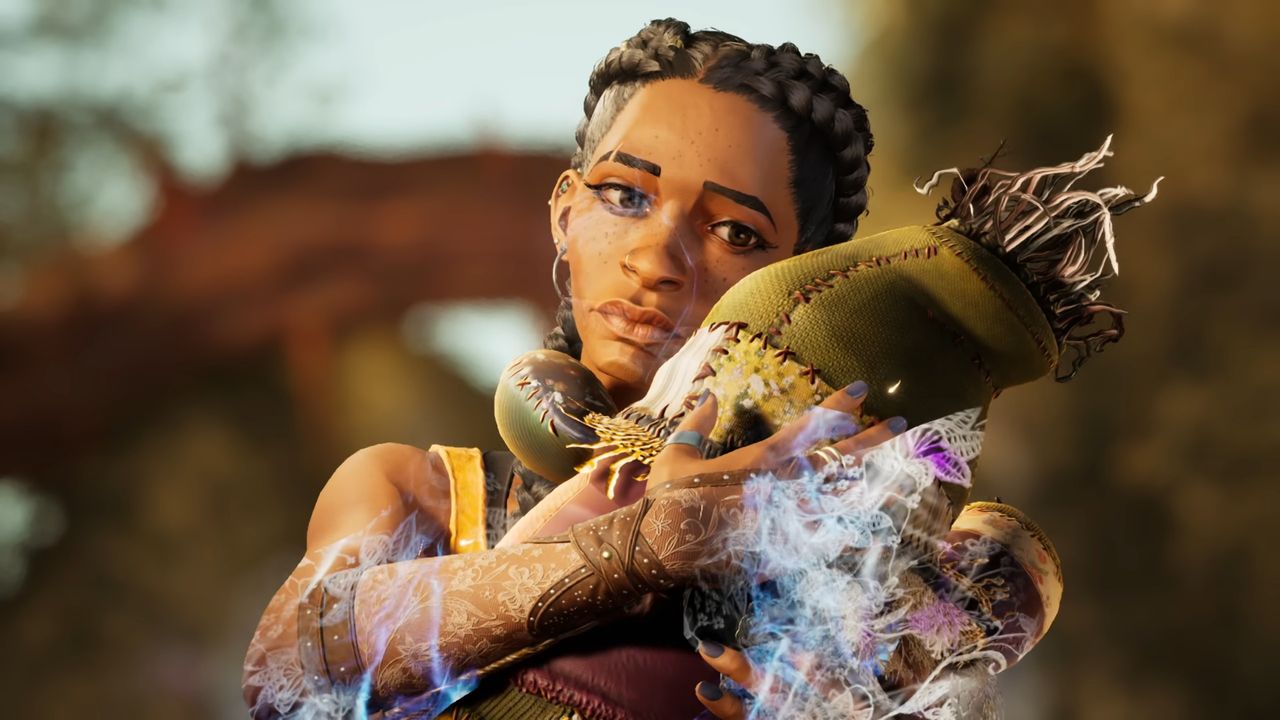
Compulsion Games had gained recognition for its unique storytelling and artistic approach, especially with its third and most recent title, South of Midnight. This southern-themed action platformer garnered positive reviews across various platforms, including Steam, PlayStation 5, and Nintendo Switch 2, which were released earlier this year. The game not only received critical acclaim but also won prestigious awards such as the Peabody and BAFTA, showcasing the studio's potential to create impactful narratives.
Despite these accolades, South of Midnight remains the only title Compulsion has released since being acquired by Microsoft back in 2018. This acquisition followed the studio's earlier release of We Happy Few, a game that, while intriguing, did not receive the same level of critical praise as its successor. The circumstances surrounding these releases raise concerns about Microsoft's ability to foster and support creative talent within its ranks, especially considering the studio's promising beginnings.
Microsoft's History of Studio Closures
The closure of Compulsion Games adds to a growing list of studios that have been acquired by Microsoft only to be shuttered shortly thereafter. The recent development mirrors the fate of other studios, such as Lionhead Studios, which was bought and subsequently closed, leaving behind a legacy of what could have been. The upcoming Fable title serves as a reminder of this history, as it is now being developed by Playground Games, a studio without the previous creative lineage of Lionhead.
Historically, Microsoft has faced criticism for its handling of acquired studios, with many insiders citing the closure of Lionhead as a significant mistake. This pattern of acquiring and then closing studios raises questions about Microsoft's long-term strategy in the gaming industry, particularly as it grapples with the complexities of maintaining a diverse portfolio while simultaneously seeking profitability.
ZenilGames Commentary
The recent closure of Compulsion Games has sparked concerns among gamers and industry professionals alike regarding the future of independent studios under large corporate umbrellas. As gaming becomes increasingly dominated by major players like Microsoft, the creative autonomy that smaller studios require to innovate can often be stifled. This closure serves as a reminder that even successful studios can fall victim to corporate restructuring, leaving behind a void in the gaming landscape.
Moreover, the situation raises important questions about the sustainability of Microsoft's gaming strategy. With the company’s focus on profitability and a sustainable business model, it appears that creative risks are taking a backseat to financial considerations. As a result, gamers may find themselves deprived of unique and engaging experiences that smaller studios like Compulsion were poised to deliver.
Ultimately, the fate of Compulsion Games highlights a critical juncture for the gaming industry. As studios continue to be absorbed into larger corporations, the challenge will be finding a balance between financial viability and creative freedom. The industry must advocate for the preservation of unique voices and diverse narratives to ensure that the gaming medium continues to evolve and thrive.
Frequently Asked Questions
What led to the closure of Compulsion Games?
The closure of Compulsion Games is attributed to Microsoft's ongoing layoffs and restructuring within its gaming division, aimed at achieving a more sustainable business model amidst declining margins.
What was Compulsion Games' most recent title?
Compulsion Games' most recent release was South of Midnight, an action platformer that received positive reviews and won multiple awards, including BAFTA and Peabody accolades.
How does this closure affect the gaming industry?
The closure of Compulsion Games raises concerns about the future of independent studios under larger corporate ownership, potentially stifling creativity and innovation in the gaming industry.