Introduction to Nvidia's Evolution
The landscape of gaming graphics has seen significant evolution over the past decade, particularly with Nvidia's GeForce GTX 10-series marking a pivotal moment in the industry. Since its launch, the gaming GPUs from Nvidia have undergone considerable transformations, incorporating cutting-edge technologies like ray tracing and artificial intelligence to enhance the gaming experience for countless players. As we delve into Nvidia's past and present, we can glean insights that may inform our expectations for the upcoming RTX 60-series graphics cards.
The RTX 60-series is poised to be the next chapter in Nvidia's illustrious history, but what exactly can we anticipate? Given the challenges surrounding the supply of affordable VRAM and the uncertain prospects for a Super refresh of the Blackwell chips, a thorough analysis of previous GPU models is essential. By examining the specifications and trends of Nvidia's past releases, we can start to piece together what the future may hold for Team Green.
Historical Context of Nvidia's GPU Generations
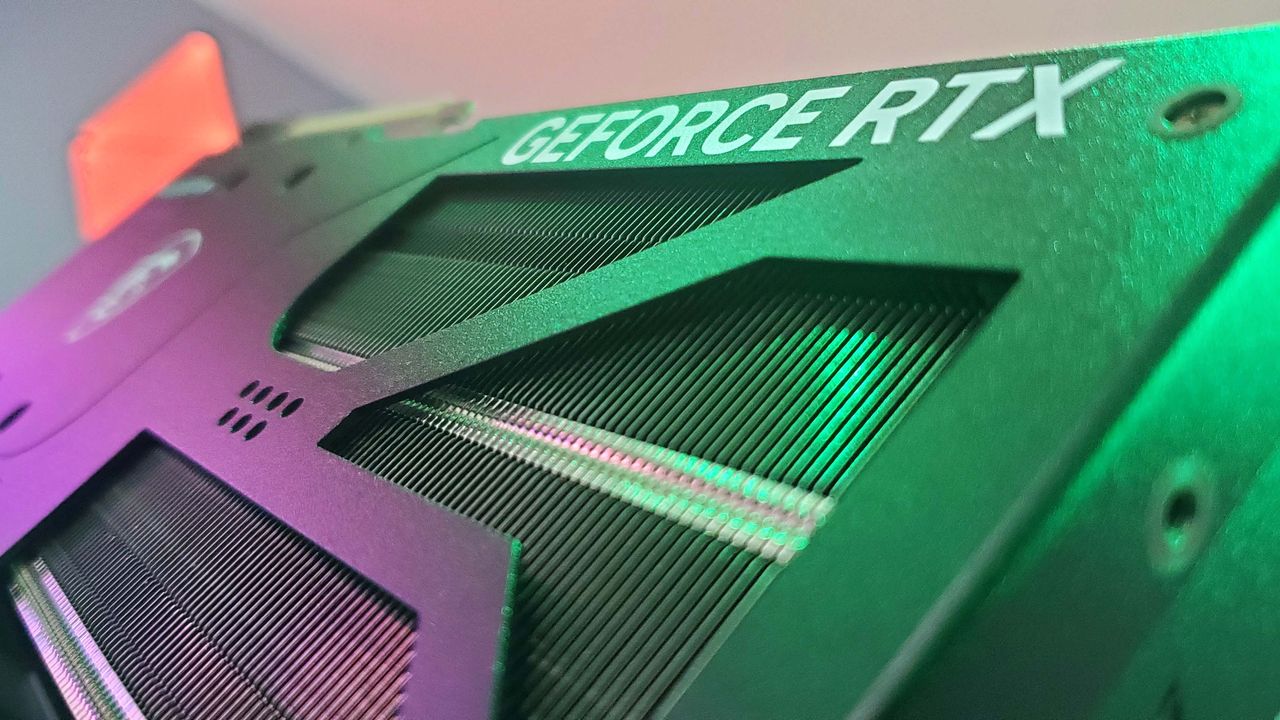
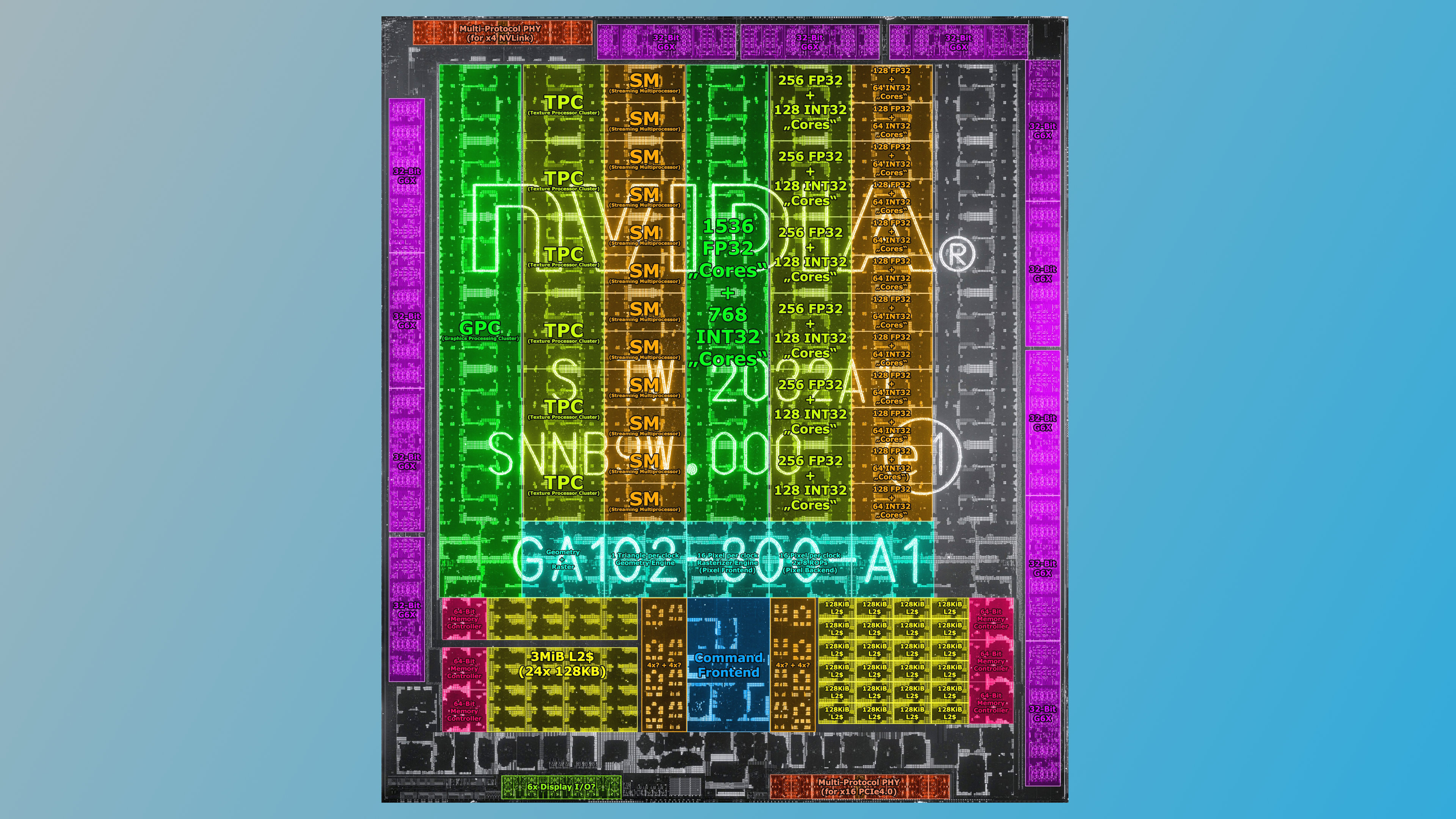
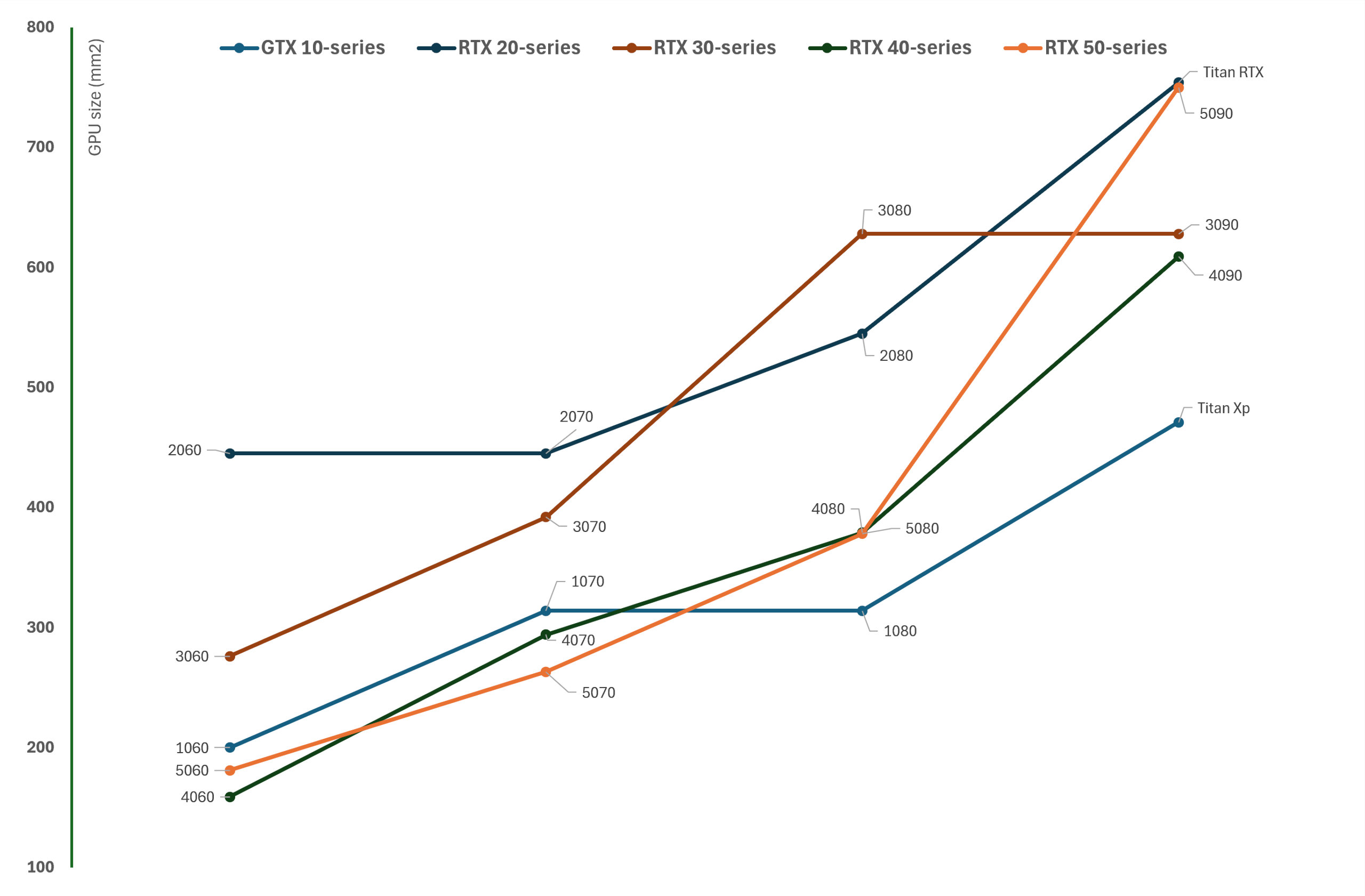
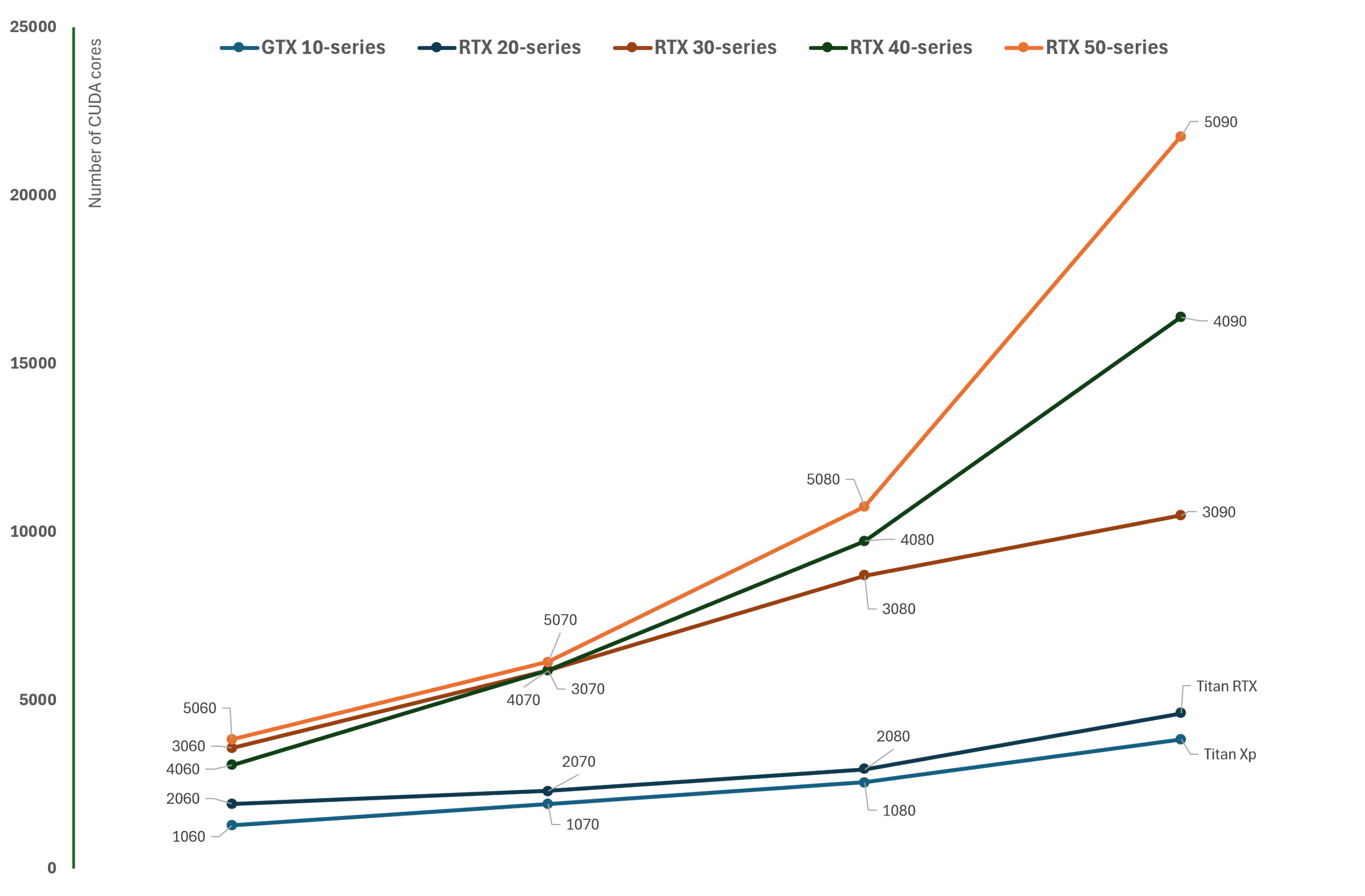
To accurately predict the specifications of the RTX 60-series GPUs, it's crucial to look back at a decade's worth of GeForce models, categorizing them into four distinct tiers: the 60-class, 70-class, 80-class, and the high-end 90-class. Historically, the Titan GPUs were at the top of the hierarchy during the GTX 10-series and RTX 20-series eras, setting a benchmark for performance that subsequent models aspired to reach. By analyzing these tiers, we can form a clearer picture of Nvidia's design philosophy and technological advancements.
In my analysis, I have compiled several informative charts that illustrate trends in performance, transistor density, and memory bandwidth across these generations. These visual aids will not only clarify the relationship between each tier but will also help us project potential specifications for the RTX 60-series. As we will see, the leap in technology from one generation to the next is not merely incremental but often revolutionary.
Understanding Nvidia's Manufacturing Partnerships
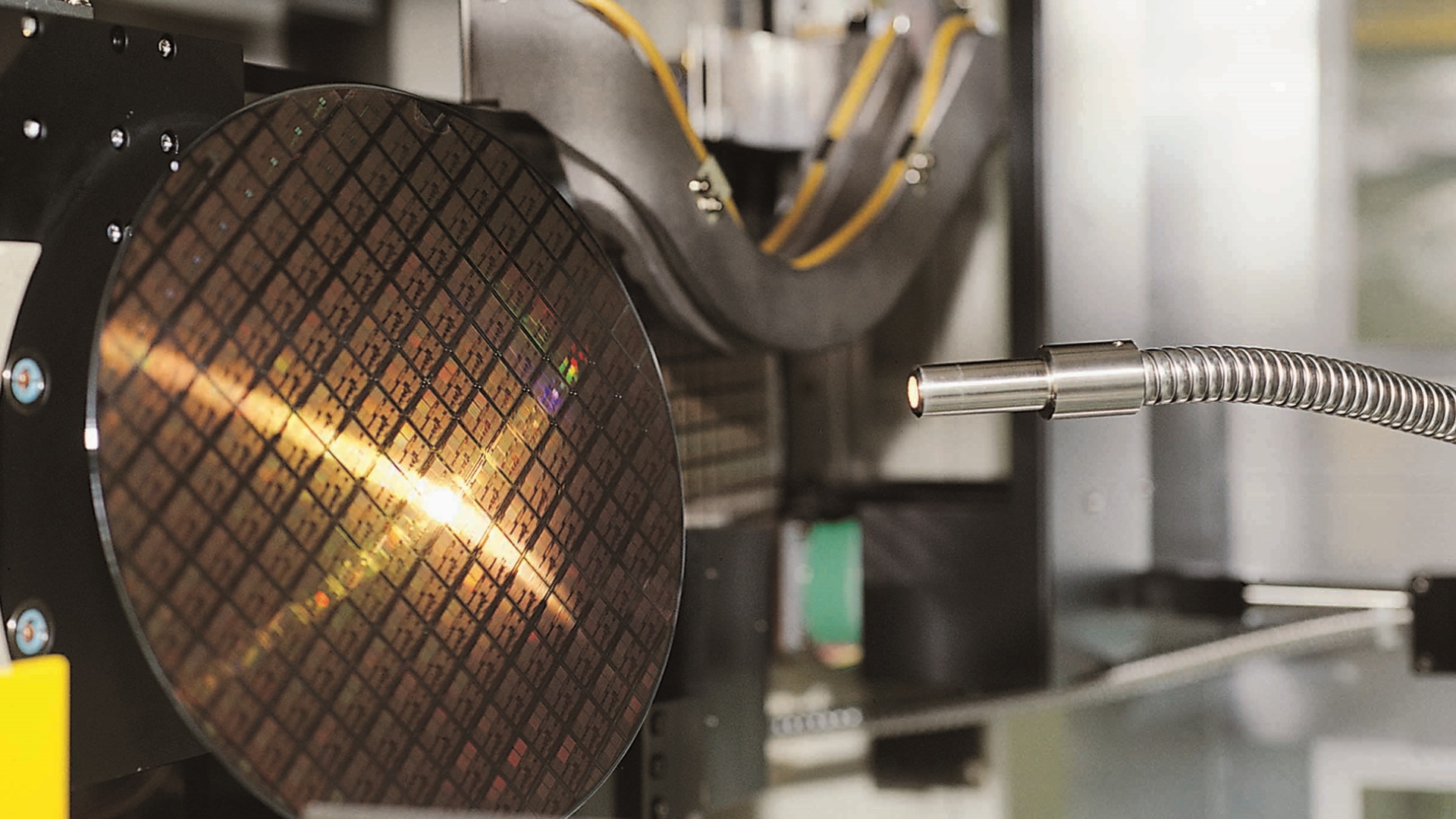
Nvidia's GPUs are not manufactured in-house; rather, the company relies on Taiwan Semiconductor Manufacturing Company (TSMC) for production. This partnership has been integral to Nvidia's success, as TSMC is renowned for its ability to produce high-performance chips using the latest manufacturing processes. The historical relationship between Nvidia and TSMC has resulted in a series of increasingly sophisticated GPUs that have consistently pushed the envelope of what's possible in gaming technology.
At the core of this manufacturing process is the concept of the 'process node,' which refers to the intricate steps involved in creating silicon wafers that will become GPU chips. TSMC has developed several advanced nodes, including the N3 node currently used for Nvidia's AI-focused Rubin chips, and the N5 node employed for the Blackwell gaming chips. Understanding these manufacturing processes is essential for predicting the specifications of future RTX GPUs, particularly in terms of die density and overall performance.
Projected Specifications for RTX 60-Series GPUs
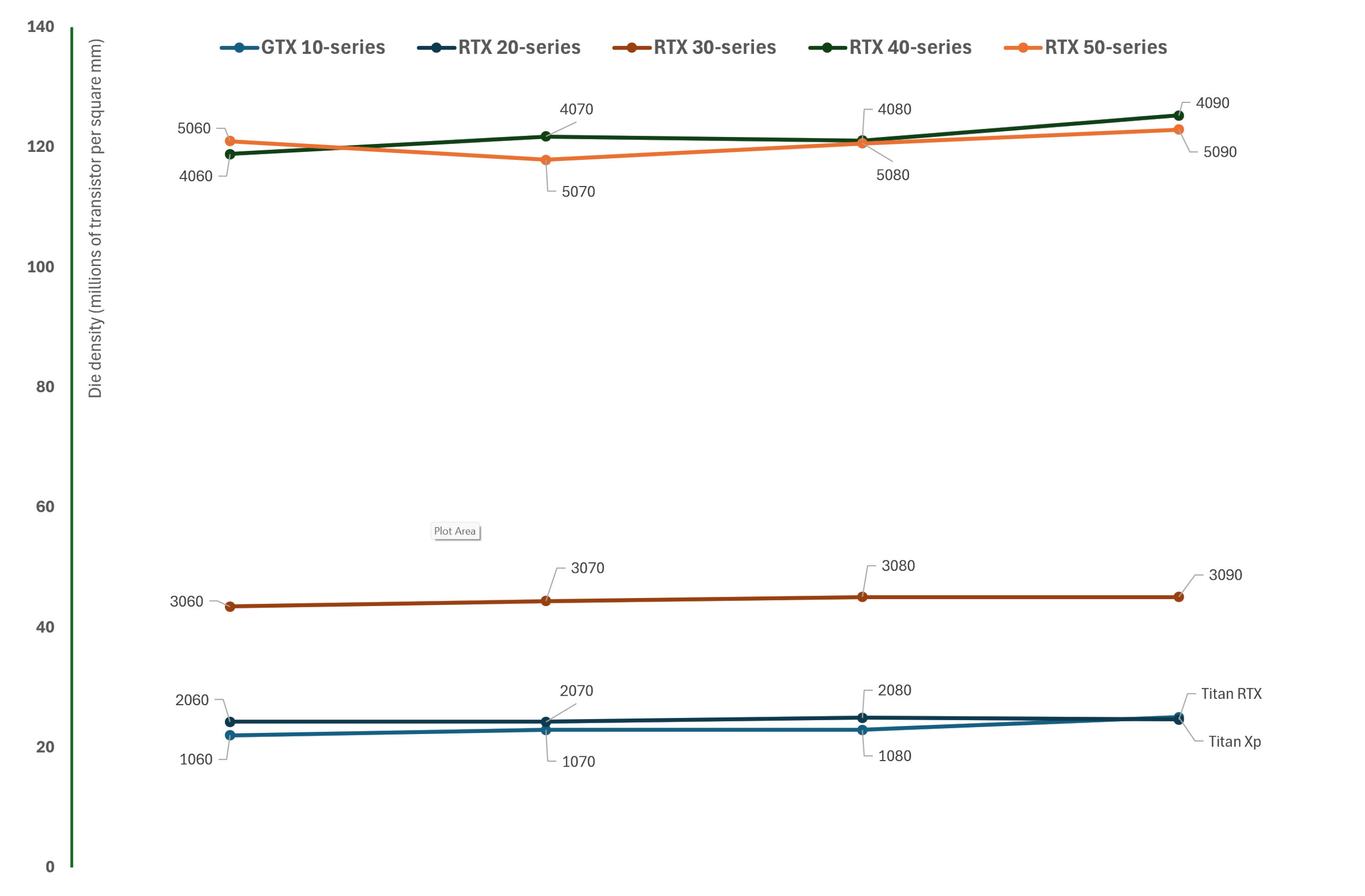
As we contemplate the specifications for the upcoming RTX 60-series, one of the key factors to consider is the die density of the chips. Nvidia's previous generations have demonstrated a consistent trend in improving transistor density, which directly correlates with performance enhancements. For example, both the Blackwell and Ada Lovelace gaming chips exhibit similar densities, estimated at around 120 million transistors per square millimeter.
However, with TSMC's N3 node reportedly achieving densities closer to 200 million transistors per square millimeter, we can anticipate a substantial increase in performance capabilities for the RTX 60-series. This significant leap in die density could enable Nvidia to deliver enhanced graphics fidelity and frame rates, solidifying its position as a leader in the gaming GPU market.
ZenilGames Commentary
As we delve into the future of Nvidia's graphics cards, it's evident that the company's commitment to innovation remains steadfast. The integration of AI technologies and ray tracing into their GPUs has not only transformed the gaming landscape but has also set new standards for visual quality. For the gaming community, this means we can expect a more immersive experience in the titles we love, as developers harness the power of these advanced features.
Moreover, the competitive landscape of the GPU market is evolving, with AMD and other contenders pushing Nvidia to continually enhance their offerings. This rivalry fosters innovation, ensuring that gamers benefit from better performance and features. The RTX 60-series is likely to reflect this competitive spirit, as Nvidia seeks to provide a product that exceeds the expectations set by its predecessors.
In conclusion, the anticipation surrounding the RTX 60-series is palpable. As we await further announcements from Nvidia, the insights gleaned from past generations provide a solid foundation for our expectations. The potential for increased die density, coupled with advancements in AI and ray tracing, suggests that the RTX 60-series could redefine what we consider possible in gaming graphics.
Frequently Asked Questions
What are the key features to expect in the RTX 60-series?
The RTX 60-series is expected to incorporate advanced AI technologies, enhanced ray tracing capabilities, and improvements in die density, resulting in better performance and graphics quality compared to previous generations.
When is the expected release date for the RTX 60-series?
While Nvidia has not confirmed a specific release date, industry analysts suggest that the RTX 60-series could launch within the next year, likely in line with Nvidia's typical product cycle.
How does the RTX 60-series compare to previous generations?
The RTX 60-series is anticipated to offer significant improvements in performance, efficiency, and graphical fidelity, surpassing the capabilities of the RTX 30 and 40-series due to advancements in manufacturing processes and technology integration.