Introduction to the Manufacturing Process
In the realm of keyboard enthusiasts, Wooting has become a notable name, particularly for its innovative Hall effect key switches. Recently, Wooting's CEO, Calder Limmen, provided a captivating insight into the intricate manufacturing process of the Lekker Tikken switch, making it reminiscent of the classic TV show 'How It's Made'. This exploration not only highlights the technical aspects of switch production but also showcases the meticulous attention to detail that goes into crafting a high-quality keyboard switch.
For those who have ever found solace in watching manufacturing processes on screen, Limmen's guided tour offers a blend of education and entertainment. As he walks viewers through each step, the sound effects and visuals create an engaging experience for both casual viewers and dedicated keyboard aficionados. The journey begins with the essential components that make up the key switch, each playing a vital role in the final product.

The Initial Steps: Plastic Injection
The first stage of creating the Lekker Tikken switch is plastic injection, where the foundational components are formed. In this process, plastic pellets are heated and injected into molds that are shaped like the final products—the top case, bottom case, and stem of the switch. This method ensures precision and consistency in the parts that will later come together to form a fully functional switch.
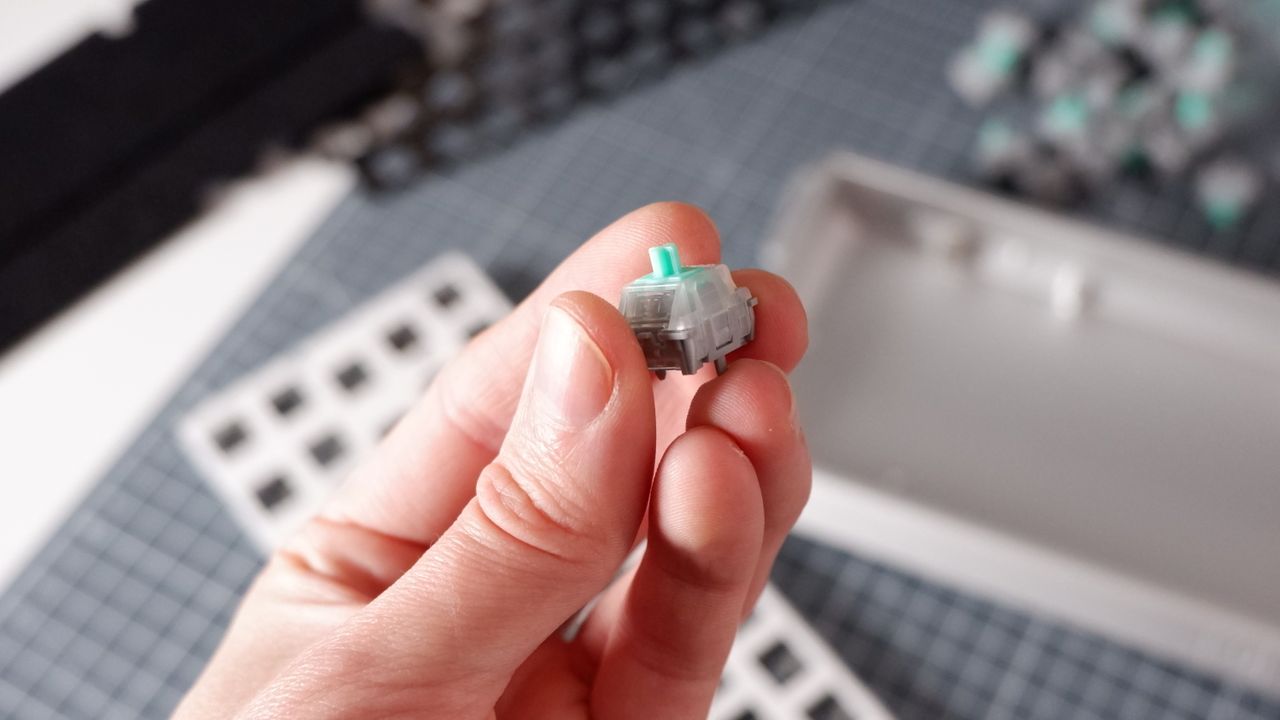
Interestingly, the approach taken by Wooting regarding material usage deviates from common practices in the industry. Calder Limmen emphasizes that for the Lekker Tikken switches, they deliberately avoid using recycled materials. He states, “For the Lekker Tikken switches, we don't use any recycled material to make sure the mechanical properties are better so we get less wobble, more consistency and just a better product overall for your switches.” This commitment to quality is evident in the rigorous manufacturing standards upheld at Wooting.
Assembly of the Switch Components
Following the plastic injection, the next phase involves the assembly of the switch components. Here, viewers are treated to a fascinating display of machinery at work. A series of tumblers and mechanical arms collaborate seamlessly to piece together the switch, starting with the placement of the top case. This assembly line is not only functional but also visually satisfying, as each component clicks into place with precision.
During this assembly stage, a lubricant is introduced, enhancing the smooth operation of the switch. This lubricant is applied to both the stem and the top case, ensuring that when activated, the switch operates silently and efficiently. The application of lubricant is a crucial step that many may overlook, yet it significantly impacts the overall user experience when typing on the keyboard.
Incorporating Hall Effect Technology
A defining characteristic of the Lekker Tikken switch is its incorporation of Hall effect technology. This innovation is achieved by inserting a magnet into the stem of the switch. The Hall effect switch operates by using a sensor placed on the keyboard's PCB to detect the presence and strength of the magnetic field generated by the magnet. This technology not only enhances the reliability of the switch but also contributes to its unique performance attributes.
Once the magnet is securely in place, the next critical component, the 22 mm spring, is added to the assembly. This spring plays a pivotal role in the tactile feedback and actuation force of the switch, which is rated at approximately 54 cN. This attention to detail in the design and assembly of each component is what sets Wooting's switches apart in a crowded market.
Testing for Quality Assurance
After assembly, each switch undergoes rigorous testing to ensure quality and functionality. The testing process includes measuring the gram force required to activate the switch and verifying the gauss value of the magnet, which indicates the strength of the magnetic field. Given the complexities involved in producing magnets with consistent quality, this stage is crucial for maintaining the high standards associated with Wooting products.
Switches that meet the required standards move on to final assembly, where they are prepared for sale either as individual components or as part of the Wooting 60HE v2 keyboard bundle. However, any switches that do not pass the testing phase are discarded, ensuring that only the best products reach consumers.
ZenilGames Commentary
The journey of understanding how a Hall effect switch is made is not just about the technicalities; it reflects a deeper commitment to quality within the gaming community. As gamers and keyboard enthusiasts, we seek products that enhance our experience, and Wooting's meticulous manufacturing process illustrates their dedication to delivering high-performance peripherals. The transparency shown by Limmen in sharing this process builds trust with consumers, reinforcing Wooting's reputation as a leading innovator in the market.
Furthermore, the decision to avoid recycled materials highlights a significant trend in the hardware industry: prioritizing quality over cost-cutting measures. As gamers, we often invest in our setups, and knowing that our equipment is crafted from the best possible materials can enhance our satisfaction and performance. The focus on quality and consistency is an encouraging sign for anyone looking to invest in serious gaming gear.
Ultimately, this behind-the-scenes look serves as a reminder of the craftsmanship involved in producing our beloved gaming peripherals. As the industry continues to evolve, it is essential for companies like Wooting to maintain this commitment to quality while also innovating for the future. This will not only benefit consumers but also push the boundaries of what is possible in keyboard technology.
Frequently Asked Questions
What are Hall effect switches?
Hall effect switches utilize a magnetic sensor to detect key presses, providing a more reliable and consistent performance compared to traditional mechanical switches.
Why does Wooting avoid recycled materials?
Wooting avoids recycled materials to ensure superior mechanical properties, resulting in less wobble and increased consistency in their switches.
What is the actuation force of the Lekker Tikken switch?
The Lekker Tikken switch has an actuation force of approximately 54 cN, providing a balanced tactile feedback for users.