The Mysterious World of Saros
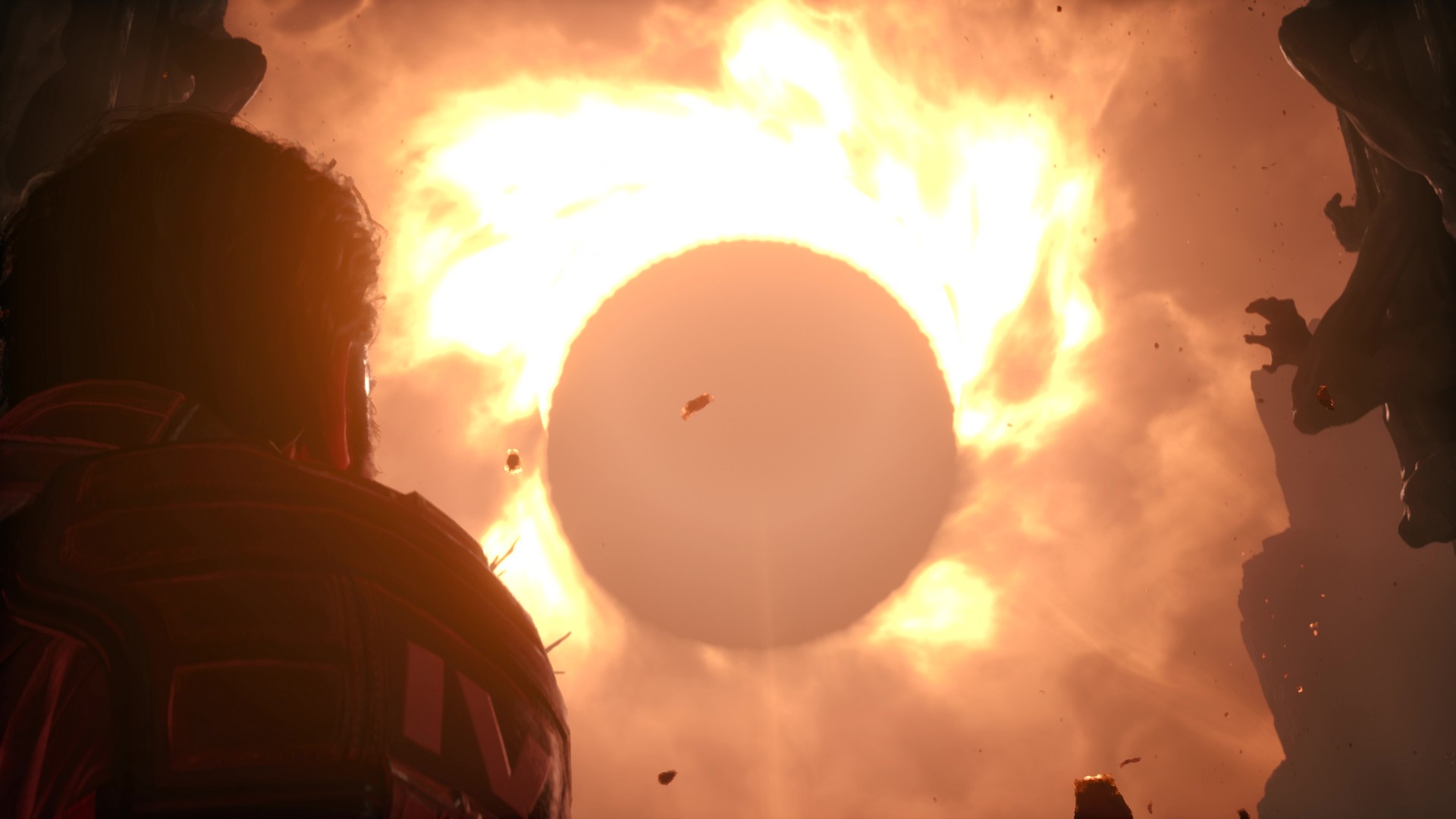
Saros, the enigmatic planet that serves as the backdrop for the sci-fi shooter, presents a plethora of questions begging for answers, particularly regarding its curious design choices. As players navigate the treacherous terrain, they encounter a myriad of eclipses that incite violence among their stranded crew. This violent theme is compounded by the omnipresence of hands throughout the game, raising questions about their significance. Why are these hands so prevalent, and what do they symbolize in the context of the game’s narrative?
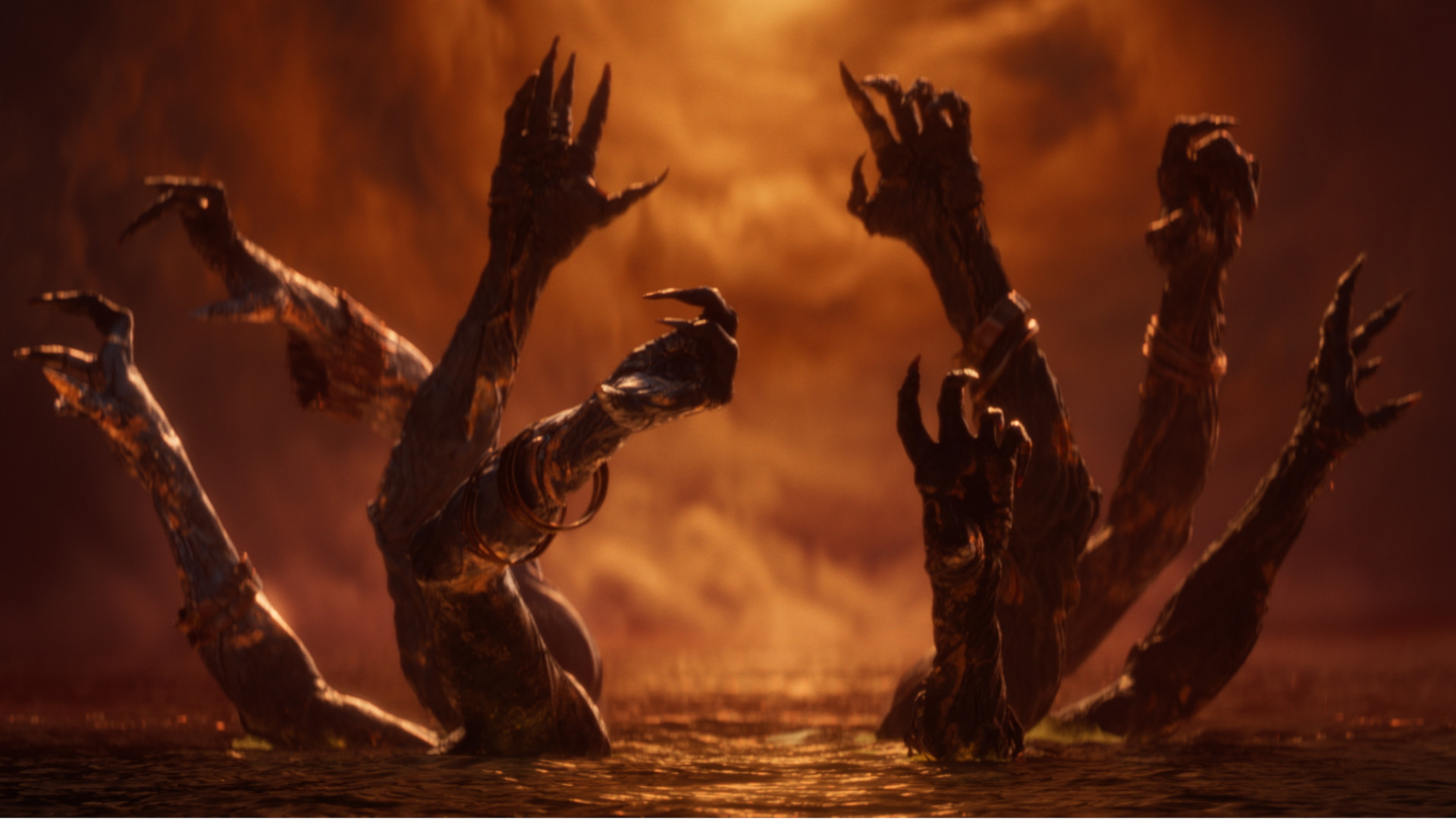
From the moment players control the protagonist, Arjun, the hands become an integral part of the experience. When he activates an eclipse, spectral hands emerge from pools of molten sunlight, reaching out to him. These hands are not only a visual motif but also represent the overarching themes of the game. The artwork for Saros features a many-armed creature sprawled beneath the sun, hinting at deeper meanings behind the planet’s design.
Insights from the Art Director
To gain a deeper understanding of the game’s design philosophy, I had the opportunity to speak with Simone Silvestri, the art director of Saros. Silvestri admits that the extensive use of hands was not initially a deliberate choice but rather a concept that evolved organically during discussions with the artistic team. He emphasizes that the themes of greed and desire are central to the game’s narrative, reflecting the characters’ relentless pursuit of power.
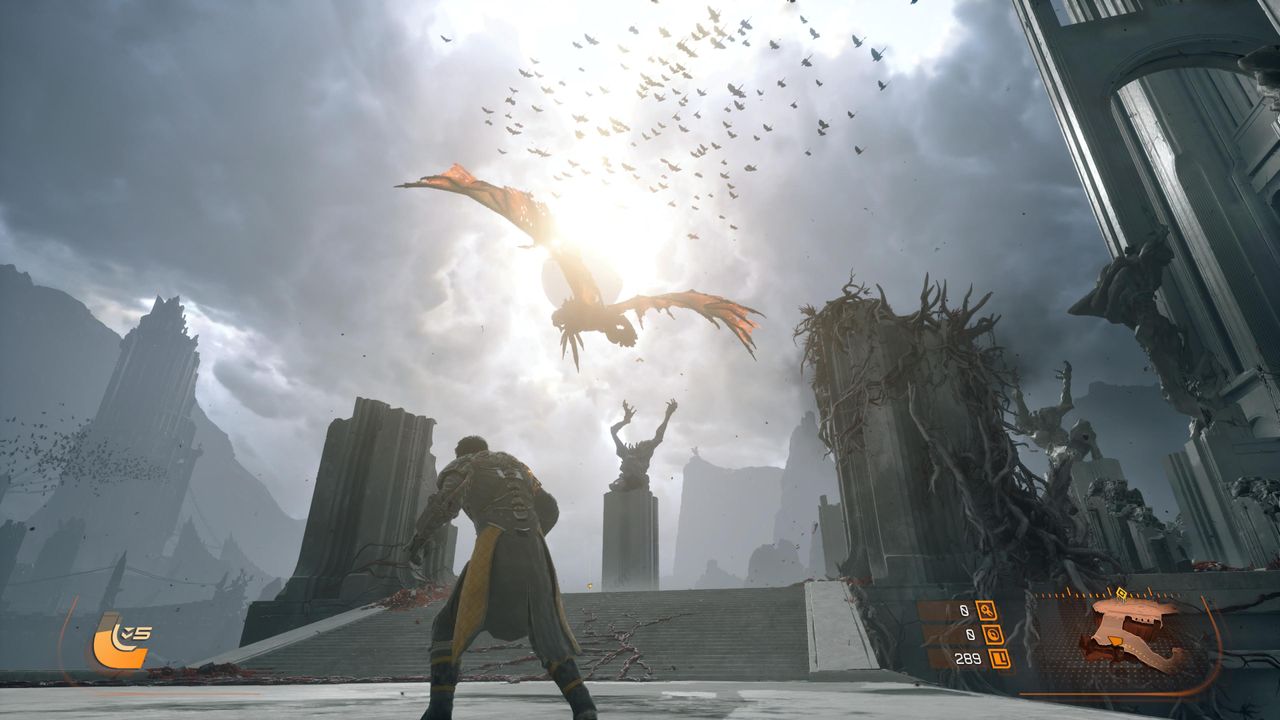
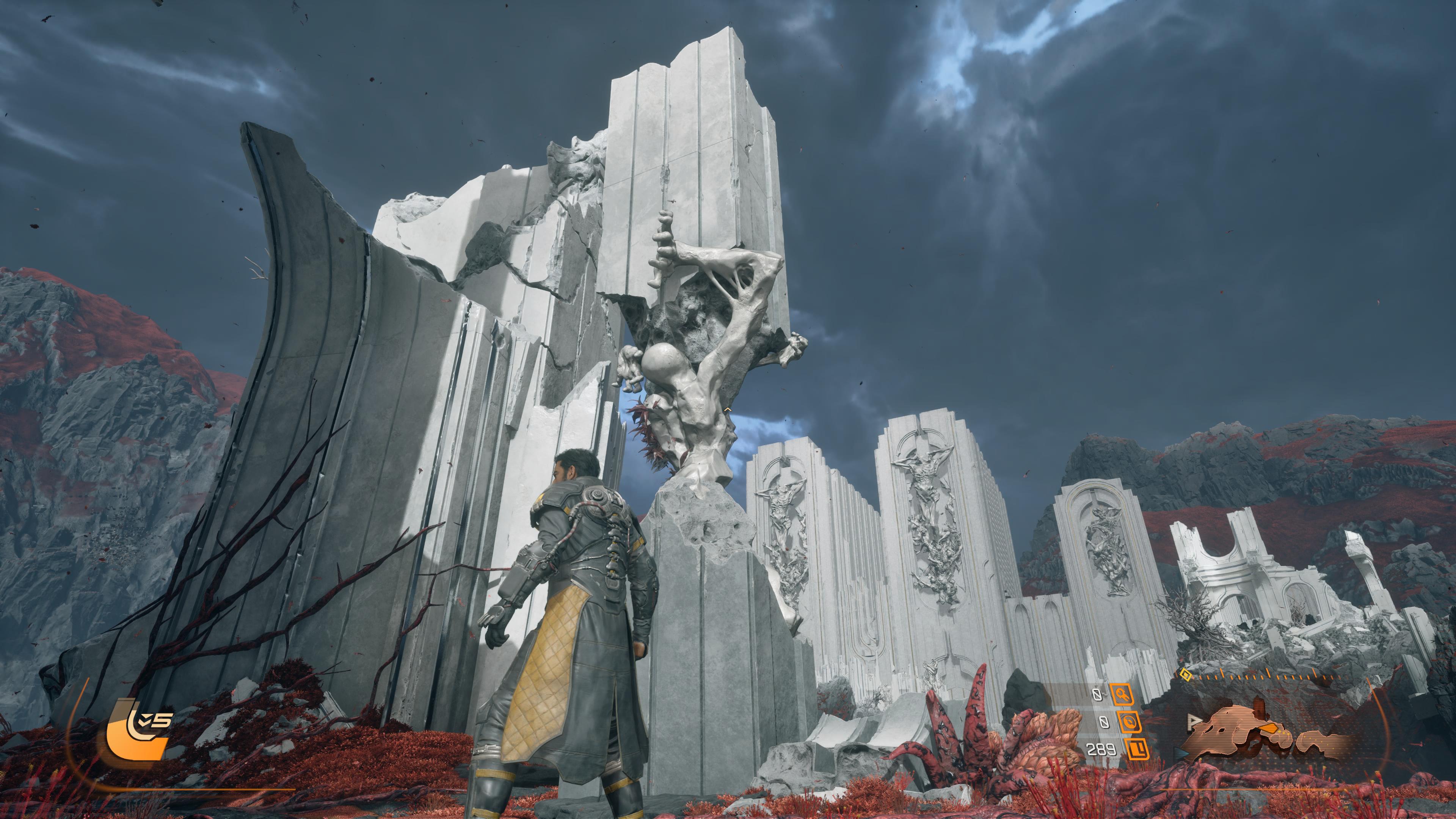
According to Silvestri, the game’s narrative revolves around the idea of yearning for something beyond reach. This concept is visually represented in the architecture of Carcosa, the planet's ancient civilization. The stone carvings depict hands desperately reaching upward, symbolizing the civilization's insatiable hunger for power and enlightenment. This artistic choice enhances the storytelling by visually portraying the inhabitants' twisted relationship with the eclipses that govern their existence.
Architecture and Artistic Influence
The abandoned structures found on Carcosa provide a unique opportunity for the art team to convey the civilization's connection to the planet without the need for explicit exposition. Silvestri discusses the term “twisted enlightenment,” which encapsulates the idea that while the civilization sought enlightenment through the eclipse, it ultimately transformed them into monstrous beings rather than wise individuals. This philosophical underpinning is critical to understanding the design choices made throughout the game.
Silvestri explains that the initial vision for the game’s architecture leaned towards neoclassicism, characterized by grandeur and worship. However, the team soon realized that a more violent and chaotic aesthetic better matched the game's themes. By blending Italian futurism with the works of artists like Sant'Elia and Depero, as well as the grand structures designed by Etienne Louis Boulay, they developed a visual language that communicates a sense of alien beauty.
The Impact of Design on Gameplay
This artistic vision, with its emphasis on verticality and sharp lines, significantly impacts gameplay. Silvestri notes that the design elements facilitate fast-paced movement, allowing players to navigate through the intricate environments seamlessly. The interplay between gameplay and narrative is crucial; as players engage in combat and exploration, the aesthetic choices enrich the overall experience, creating a cohesive narrative that resonates with the player.
The synergy between visual style, gameplay mechanics, and narrative depth exemplifies the hallmark of successful game design. Silvestri highlights how the thematic elements of greed and desire not only shape the visual landscape but also enhance the player's engagement with the story. This interconnectedness is what sets Saros apart from other titles in the genre.
ZenilGames Commentary
As players delve into Saros, the intrigue surrounding its design choices and thematic elements becomes increasingly apparent. The prominent use of hands as a symbol of greed and desire adds a layer of complexity to the gameplay experience. It invites players to reflect on their own motivations and the consequences of their actions within the game world. This philosophical exploration is what makes Saros not just a game but a thought-provoking experience.
The meticulous attention to detail in the architecture and design is a testament to the creativity of the development team. By drawing from various artistic influences and blending them into a cohesive vision, the game stands out in a crowded marketplace. It challenges players to engage with its themes on a deeper level, prompting them to consider the implications of their in-game choices and the overarching narrative.
Ultimately, Saros is a reflection of the broader trends in the gaming industry, where developers are increasingly focused on creating immersive experiences that combine gameplay, story, and art. As players continue to explore the enigmatic world of Carcosa, they will undoubtedly uncover new layers of meaning, making each playthrough a unique journey.
Frequently Asked Questions
What is the main theme of Saros?
The main theme of Saros revolves around greed and the pursuit of power, as represented through the use of hands and the architecture of the ancient civilization.
How does the game's design influence gameplay?
The game's design, characterized by verticality and sharp lines, enhances fast-paced movement, allowing players to navigate the environment fluidly while engaging in combat.
What artistic influences shaped the visual style of Saros?
The visual style of Saros is influenced by Italian futurism, neoclassicism, and the works of various artists, creating a unique aesthetic that complements the game's themes.