Introduction
The upcoming title, Lego Batman: Legacy of the Dark Knight, finds itself in a peculiar position within the gaming landscape. As a fan of the iconic Arkham series developed by Rocksteady, my anticipation for this game was tempered by my previous experiences with TT Games’ Lego offerings. Although I haven’t engaged with their games in quite some time, the brief three-hour preview of Legacy brought back memories of the franchise’s charm and wit. However, it also raised questions about how well it would resonate with the legacy of its predecessors, particularly the beloved Arkham series.
My background as a dedicated Arkham enthusiast, having collected every Riddler trophy across the series, adds a layer of complexity to my expectations for this game. While I understand that we may not see a new Arkham installment in the near future, I also recognize that Legacy of the Dark Knight has its own identity that could shine if it doesn’t merely attempt to replicate the Arkham formula. The challenge for TT Games is to carve a niche for themselves while still paying homage to the iconic gameplay that defined the superhero genre in the previous decade.
Gameplay Mechanics
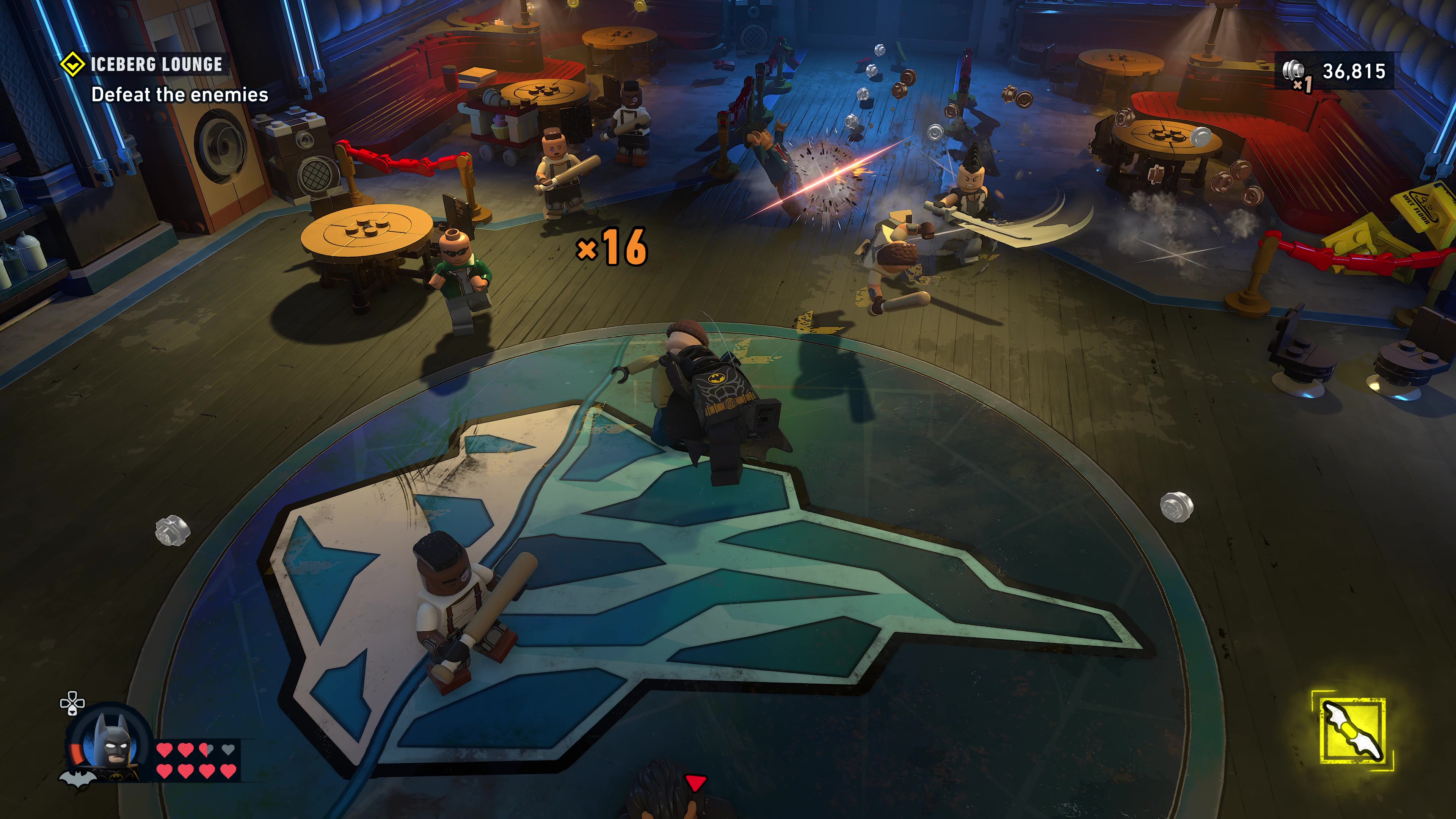
From the onset, the gameplay mechanics of Lego Batman: Legacy of the Dark Knight evoke a sense of familiarity. The game features a combat system centered around counterattacks, reminiscent of the Arkham series, where players can charge up powerful takedowns. Additionally, the open-world environment of Gotham City allows for exploration and traversal across its blocky skyline, with players utilizing grappling hooks and gliding mechanics. The inclusion of detective mode highlights interactive objects, and various Batmobiles offer opportunities for engaging side quests and Riddler puzzles scattered throughout the city.
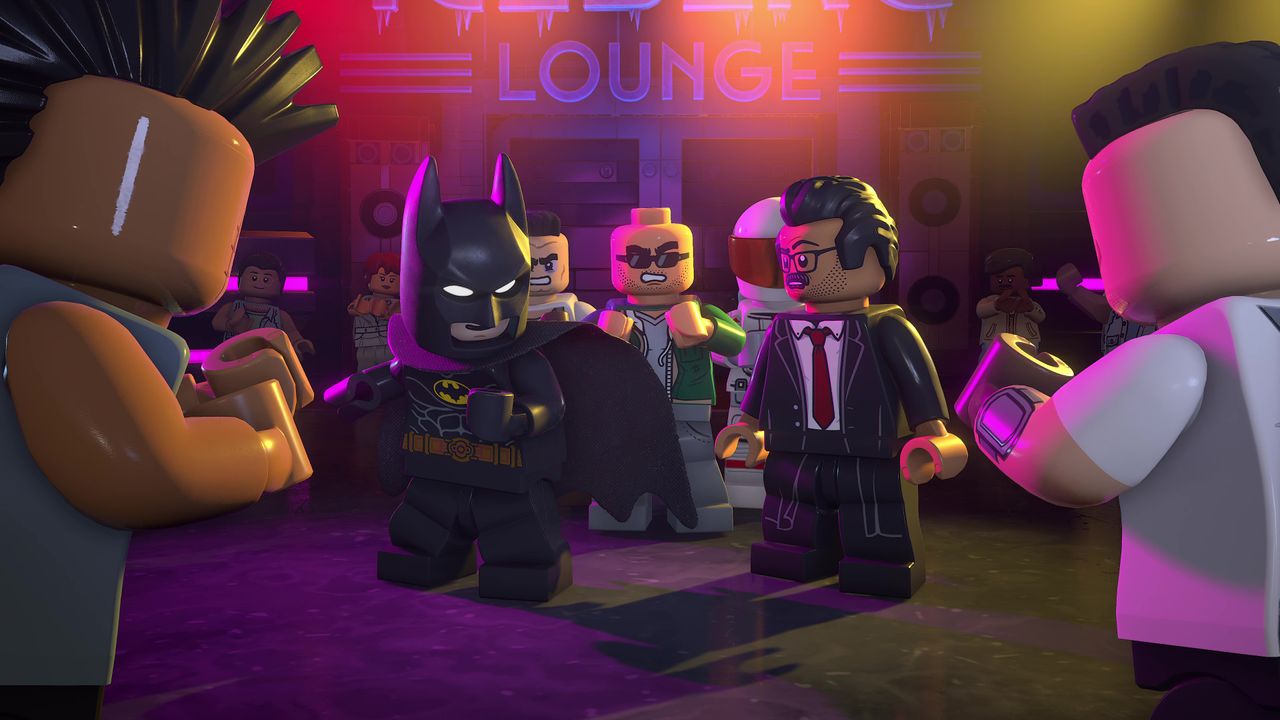
Jimmy Sedota, the assistant design director for TT Games, emphasized in our conversation that the inspiration drawn from Arkham Asylum was intentional. He stated, "That original Arkham Asylum game made you feel like Batman... We absolutely looked at that as a source of inspiration, and we built that from the ground up at TT for what we thought was the best combat experience for Lego Batman." This statement underscores the developer's commitment to crafting an experience that resonates with fans of the Dark Knight while adapting it to the Lego format.
Comparative Analysis
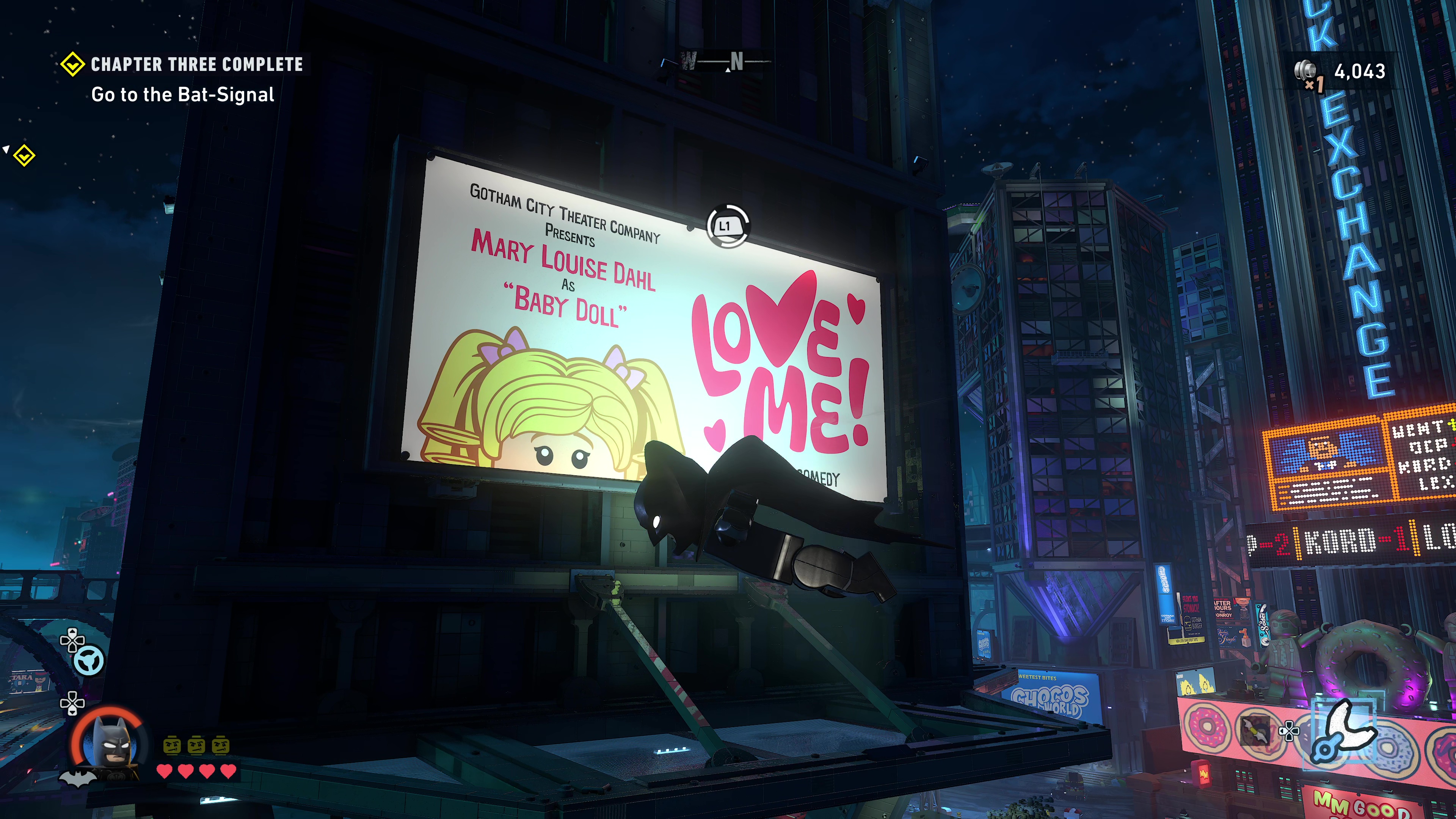
Despite the evident similarities, the question remains whether Lego Batman can stand up to the legacy of the Arkham series. Notably, the combat animations feel less fluid compared to the seamless transitions found in Arkham games, resulting in a somewhat rigid experience. The traversal mechanics, particularly the grapnel gun, can feel unintuitive, often targeting the wrong ledges and causing frustration during exploration. I encountered instances where I struggled for several minutes to navigate a building, ultimately yielding to the game’s limitations.
Furthermore, the stealth mechanics in Legacy of the Dark Knight appear overly simplified, lacking essential features such as a crouch button. Instead, players can approach enemies from behind and execute them with the press of a button. While this streamlining may cater to a younger audience, it detracts from the strategic depth that the Arkham series is known for. Players seeking a rich stealth experience may find this aspect disappointing, as it does not offer the same level of engagement found in previous installments.
Positive Aspects
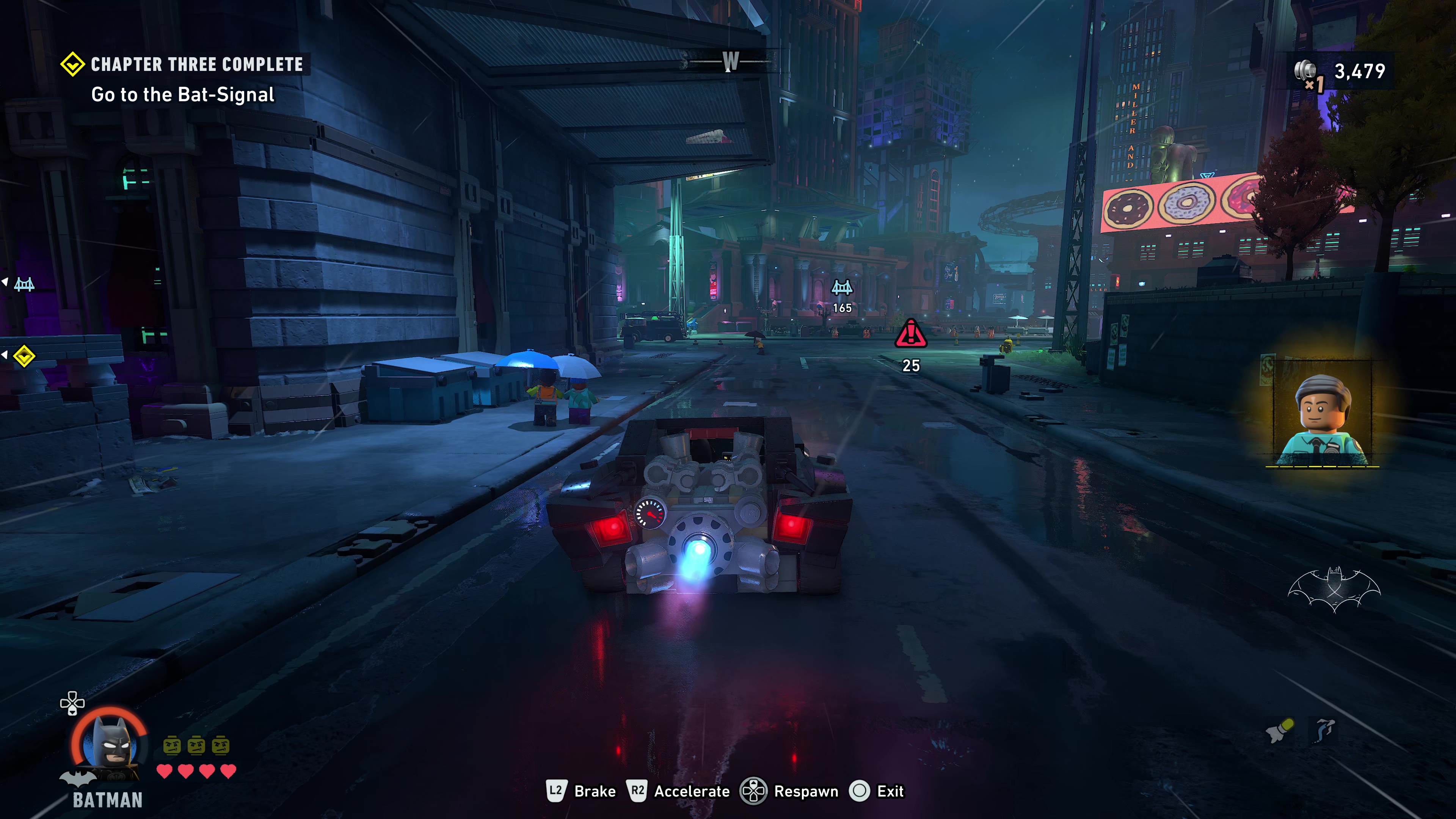
On a brighter note, the game introduces several enhancements to the traditional Lego formula that are worth noting. For instance, the Batmobile controls significantly better than its counterpart in Arkham Knight, offering a more enjoyable driving experience without overstaying its welcome. The main story puzzles, while designed for a younger demographic, do present a fair challenge, and the optional puzzles scattered throughout Gotham require more thought and creativity to solve.
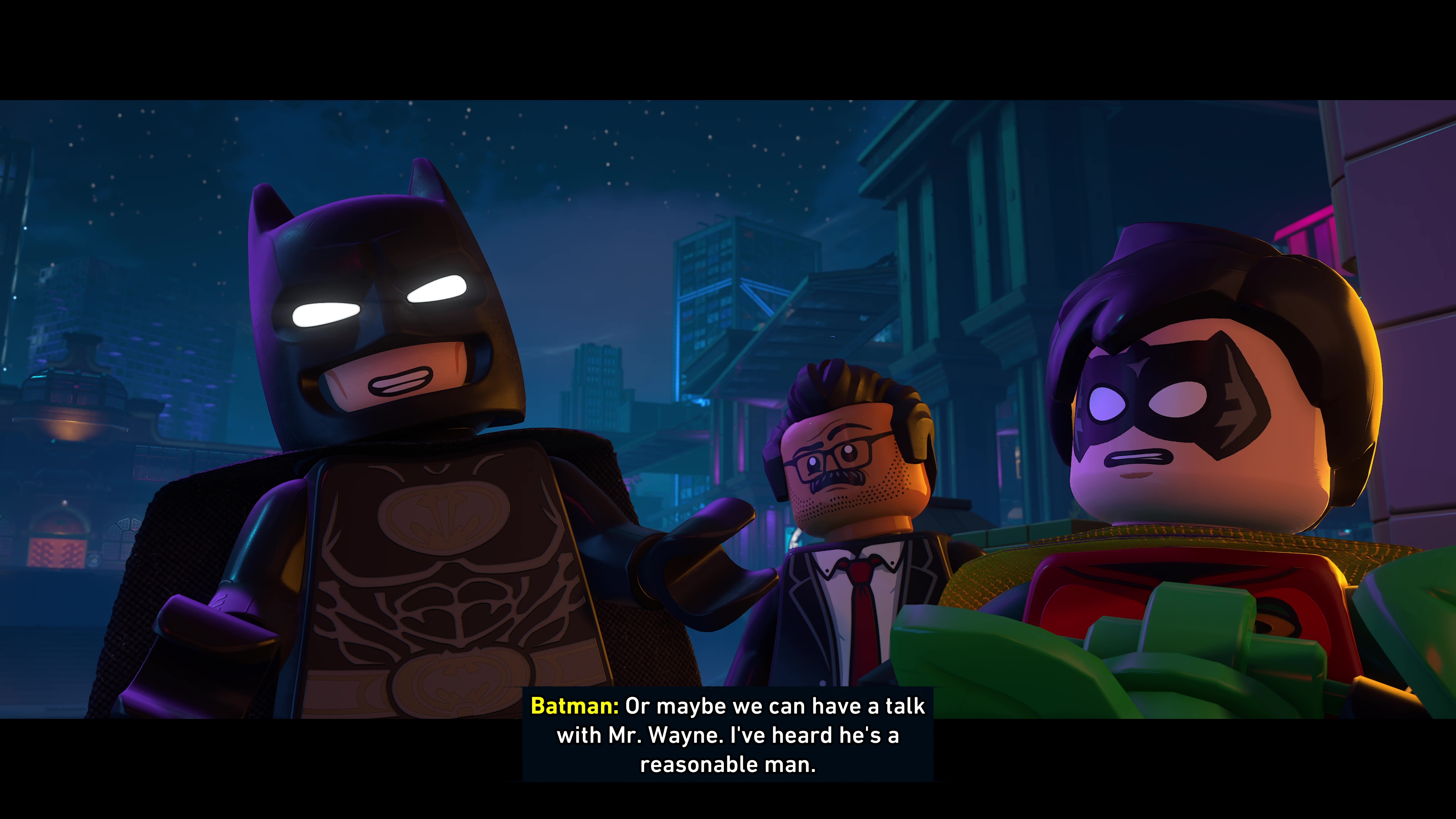
Moreover, the character roster has been streamlined to focus on seven playable figures, including Batman, Robin, Catwoman, Nightwing, Batgirl, Talia al Ghul, and Commissioner Gordon. Each character possesses unique abilities tailored to their persona, with Catwoman able to use her whip creatively or send cats through air vents. This design choice emphasizes the importance of the Bat family in the narrative, as Sedota explained, "Batman doesn't do it alone. We wanted to focus on not only Batman but the Bat family..." This character-centric approach adds depth to the gameplay, allowing players to explore various skills and mechanics.
ZenilGames Commentary
From a broader perspective, the attempt to blend the Lego universe with the darker themes of the Batman franchise is commendable. However, it raises an important question about the target audience. While longtime fans of the Arkham series may find themselves yearning for the intricacies and depth of those games, younger players may appreciate the whimsical charm that Lego games traditionally offer. This balance of tone is crucial for Legacy of the Dark Knight, as it strives to appeal to a diverse gaming demographic.
Furthermore, the game serves as a reminder of the evolution of superhero games over the past decade. The Arkham series set a high bar for narrative-driven gameplay, and while Lego Batman may not reach those heights, it presents an opportunity for TT Games to innovate within their own framework. By embracing the strengths of the Lego format, the developers can create a unique experience that celebrates the fun and creativity associated with building and exploration.
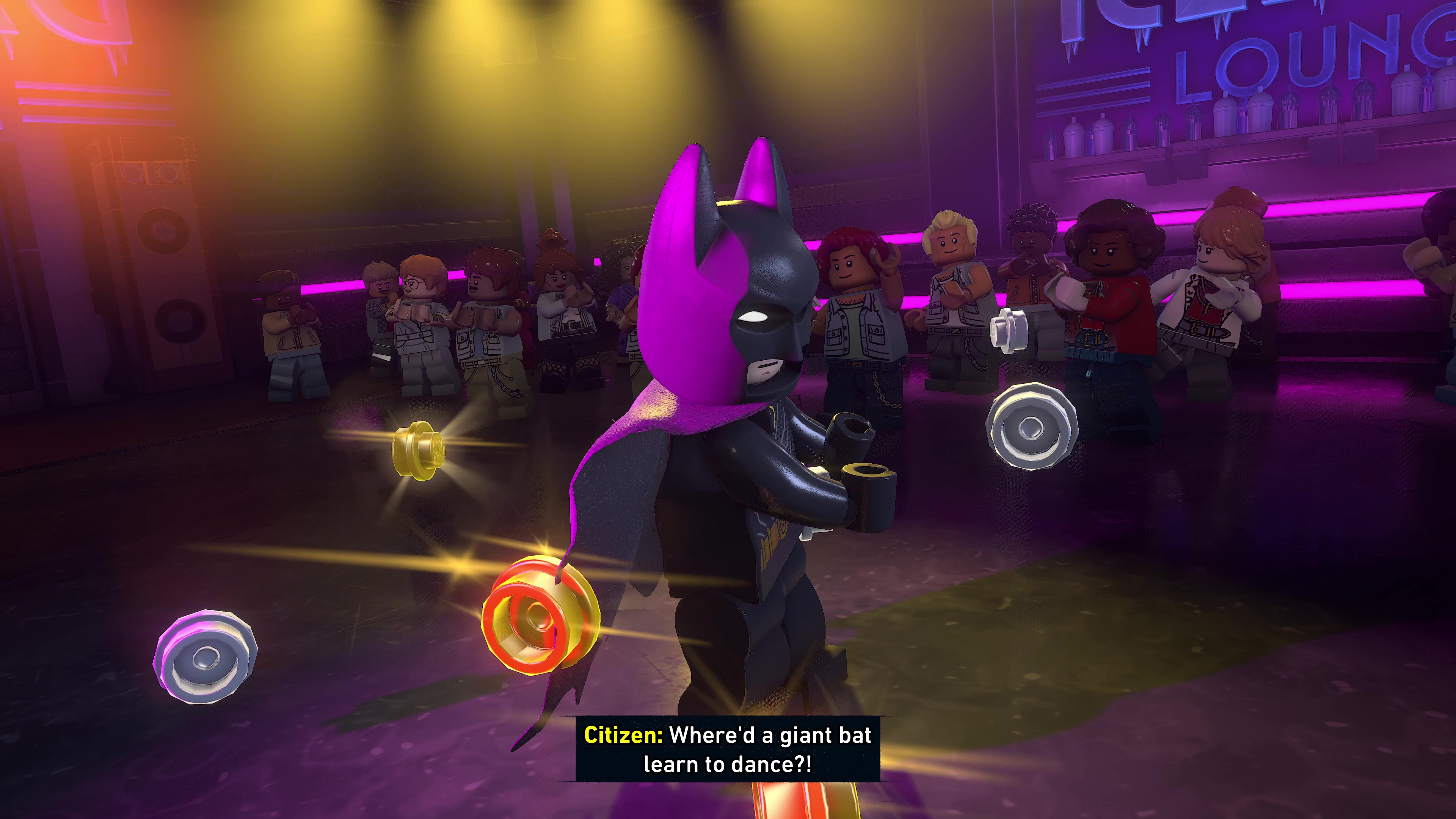
Ultimately, the success of Lego Batman: Legacy of the Dark Knight will depend on its ability to resonate with both casual gamers and franchise veterans. If the game can deliver engaging gameplay while honoring the legacy of the characters and their stories, it might carve out its own place in the hearts of players. Balancing the whimsical nature of Lego with the darker undertones of Gotham is no small feat, but it could lead to a refreshing reinterpretation of the beloved superhero.
Frequently Asked Questions
What platforms will Lego Batman: Legacy of the Dark Knight be available on?
The game is set to release on PC, PlayStation 5, Xbox Series X, and the upcoming Switch 2, with the Switch 2 release date still to be announced in 2026.
When is the release date for Lego Batman: Legacy of the Dark Knight?
The game is scheduled to launch on May 22, 2026, providing fans with a much-anticipated new adventure in the Lego Batman universe.
Will the game feature online multiplayer modes?
As of the current information available, there are no confirmed details regarding online multiplayer features for Lego Batman: Legacy of the Dark Knight. Players can expect a focus on single-player experiences, similar to previous Lego titles.