Introduction
A recent consumer survey conducted by Circana has unveiled that 41 percent of participants attribute their choice to play on consoles primarily to exclusive games offered by these platforms. This intriguing statistic raises questions about the evolving preferences of gamers and the factors that influence their console loyalty.
Circana, a prominent American market research firm, has been closely monitoring trends within the video game industry. The data stems from their Q1 Future of Video Games consumer survey, which involved 2,500 active video game players in the United States aged 13 and older. The sample was carefully weighted to reflect a representative distribution based on platform usage and investment, as explained by Circana's Mat Piscatella.
Survey Insights
Participants in the survey were prompted to share their reasons for playing games on consoles. In addition to the 41 percent who cited exclusive titles as their primary motivation, 38 percent mentioned having friends or family who also engage with the same console ecosystem as a significant factor. The ease of playing with others within a shared console environment resonated with 37 percent of respondents, while 36 percent indicated a preference for the casual gaming experience typically found in a living room setting. Furthermore, 24 percent appreciated the broader selection of physical games available on consoles.
While these statistics provide a fascinating snapshot of gamer preferences, they also reveal noteworthy trends. For instance, when comparing these figures to those from Q1 2025, console exclusives experienced an eight-point decrease in significance, suggesting a shift in priorities among gamers. Additionally, the preference for social gaming settings saw a four-point decline, raising questions about the overall gaming landscape.
The Bigger Picture
Piscatella expressed on BlueSky that the story is more complex than these statistics might indicate. Despite exclusives being a significant draw for many gamers, the landscape of popular games reveals that numerous top titles are non-exclusives. Analysis of Circana's player engagement tracker for the week ending April 18th shows that games like NBA 2K26, Fortnite, Roblox, and Call of Duty continue to dominate in terms of weekly active users across both PlayStation and Xbox platforms.
This discrepancy underscores the multifaceted nature of consumer behavior in the gaming world. While exclusives undoubtedly play a crucial role in attracting players to specific consoles, the ongoing success of non-exclusive titles suggests that consumers are increasingly drawn to diverse gaming experiences that extend beyond platform limitations.
Impact of Exclusives on Hardware Sales
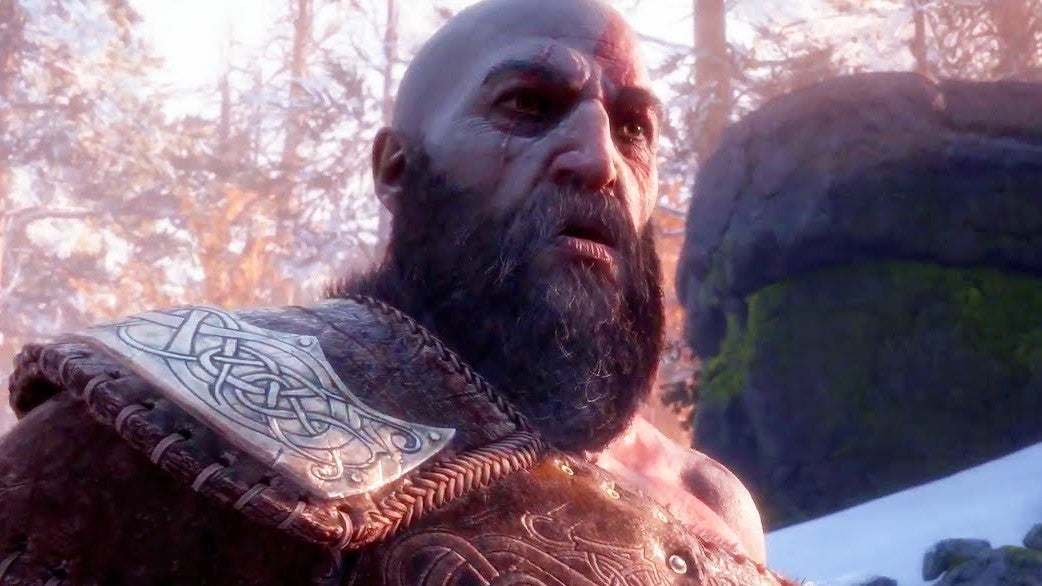
The influence of exclusive titles on hardware sales cannot be understated, as highlighted by Chris Dring in a recent article for The Game Business. He noted that the release of God of War Ragnarok in November 2022 led to a notable surge in PS5 sales in both Japan and the UK. Specifically, sales in Japan spiked by an impressive 116 percent during the release week, as reported by Famitsu data. Moreover, in the UK, 38 percent of all PS5s sold that month were bundled with the God of War Ragnarok game, according to Nielsen IQ data.
This correlation between exclusive releases and hardware sales demonstrates that while consumer preferences may be shifting, exclusives still serve as a powerful motivator for console purchases. However, the degree of this impact may vary significantly among different consoles, as seen with the Nintendo Switch 2, which heavily relies on exclusive titles to drive sales.
Changing Consumer Trends
As the video game industry navigates a period of transformation, it becomes evident that a singular statistic cannot encapsulate the entirety of consumer trends. While exclusives retain their importance for a substantial segment of console gamers, the gradual decline in their significance suggests a potential redefinition of gaming preferences moving forward. This evolving landscape raises critical questions about the future of console gaming and the role that exclusives will play in shaping it.
With the dominance of legacy live service games, the gaming community must consider the implications of these shifting priorities. If exclusives are becoming less central to the gaming experience, it could signal a broader trend towards diverse gaming ecosystems where players seek engagement across multiple platforms and titles.
ZenilGames Commentary
As a passionate observer of the gaming industry, it is essential to recognize that while exclusives have long been a cornerstone of console identity, their decreasing significance may reflect a broader cultural shift among gamers. The rise of cross-platform play and a growing emphasis on community engagement are reshaping how players interact with their favorite titles.
In today's gaming environment, players are seeking more than just exclusive content; they crave connections with friends and family, regardless of the platform. This desire for connectivity may explain why having a shared console ecosystem remains a crucial factor for many gamers, as indicated by the survey results. The ability to play together enhances the overall gaming experience and fosters lasting relationships among players.
Looking ahead, it will be fascinating to see how console manufacturers adapt to these changing preferences. As the lines blur between exclusive and non-exclusive titles, companies must find innovative ways to attract and retain gamers in a competitive market. Embracing community-driven features and prioritizing cross-platform capabilities could be pivotal in shaping the future of console gaming.
Frequently Asked Questions
What percentage of gamers prefer exclusive titles on consoles?
According to the recent survey by Circana, 41 percent of respondents cited exclusive games as their primary reason for choosing to play on consoles.
How do exclusives impact console sales?
Exclusives have a significant impact on console sales, as evidenced by the spike in PS5 sales following the release of God of War Ragnarok. Exclusive titles often drive hardware sales, making them a crucial factor for manufacturers.
Are non-exclusive games still popular among gamers?
Yes, non-exclusive games remain immensely popular, with titles like Fortnite, Roblox, and Call of Duty consistently ranking among the top games in terms of weekly active users across platforms.