Nvidia's Market Share Concern
Nvidia CEO Jensen Huang has expressed deep concerns regarding the company's dwindling presence in China's AI hardware market, stating, "We have now dropped to zero." This stark declaration highlights a significant strategic issue for Nvidia, as Huang believes that the opportunity to sell AI chips to China should not be hindered by geopolitical concerns. He argues that limiting access to the Chinese market is a grave error and that the potential benefits of such sales far outweigh the risks involved.
In a recent interview on the Special Competitive Studies Project podcast, Huang emphasized that the decision to restrict Nvidia's operations in China might have seemed justifiable at one time. However, he contends that a dynamic approach to policy is necessary, one that adapts to the rapidly changing technological landscape. "Conceding an entire market the size of China probably doesn’t make a lot of strategic sense," he stated, asserting that the current policy has backfired and needs reevaluation.
The AI Revolution and Its Implications
Huang draws parallels between the current AI revolution and the historical industrial revolution, asserting that the United States must take the lead in this new technological era. He articulates that during the last industrial revolution, the US was at the forefront of technological application, and it is imperative not to lag behind in this ongoing transformation. “We need to be careful not to be the last in this industrial revolution,” he adds, underscoring the urgency for American companies to innovate and export aggressively.
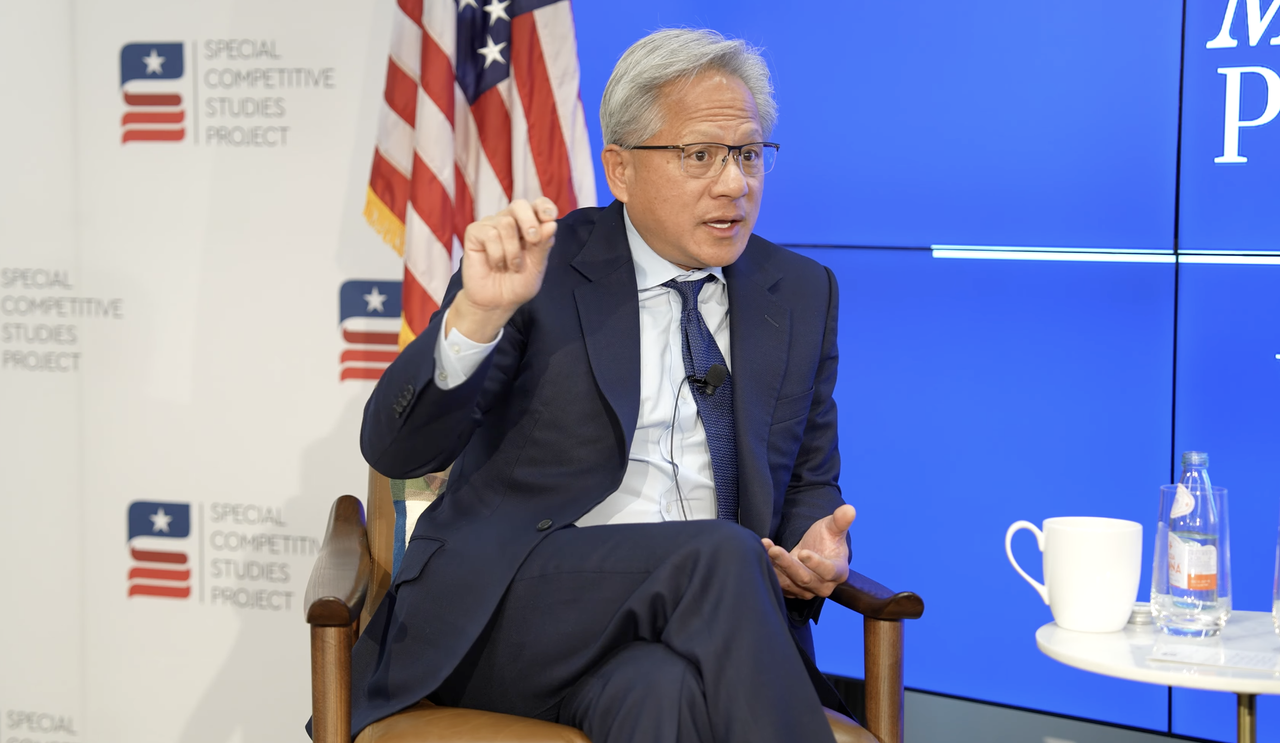
To capitalize on the opportunities presented by the AI boom, Huang posits that the US should aim to "export like crazy," which he believes would create a favorable trade imbalance for the country. However, while his argument highlights the immediate economic benefits of such a strategy, it lacks a detailed explanation of how the US can maintain its technological edge while simultaneously providing China with access to advanced AI chips.
The Layer Cake of AI Industry
Huang further elucidates his perspective by describing the AI industry as a multi-layered structure, akin to a layer cake. This structure comprises various components, including energy production, AI chips, data center infrastructure, AI models, and AI applications. By Huang's assessment, the US is lagging in several of these critical areas, particularly energy production, which he identifies as a major weakness.
Despite the clear advantages of supplying China with sophisticated chips, Huang does not adequately address the implications of this approach, especially in terms of how it might enable China to catch up or even surpass the US in various AI domains. His argument tends to simplify the complex nature of AI technology and market dynamics, suggesting a somewhat naive perspective on the long-term sustainability of his proposed strategy.
Strategic Implications for Nvidia
While Huang's focus on the immediate economic gains from exporting AI technology is understandable from a corporate standpoint, it raises questions about the broader implications for the US as a whole. The notion of maximizing profits in the short term may be advantageous for Nvidia, but it presents a precarious strategy for national competitiveness and security in the long run. The challenge lies in balancing corporate interests with the need for a cohesive national strategy that ensures technological leadership.
Moreover, Huang's commentary brings to light the inherent risks of complacency in the face of rapid technological advancements. As AI technology continues to evolve, the competitive landscape will shift, and the US must remain vigilant to safeguard its position. The complexities of international trade and technology transfer necessitate a nuanced approach that considers not only economic benefits but also the potential repercussions on global dynamics.
ZenilGames Commentary
From a gaming perspective, the implications of Nvidia's market strategies extend beyond corporate profits and into the realm of consumer access and innovation. As AI technologies become more integrated into gaming, the availability of cutting-edge hardware could significantly enhance gameplay experiences. The gaming community stands to benefit from advancements in AI-driven graphics and real-time processing, making it crucial for companies like Nvidia to navigate these geopolitical waters wisely.
Furthermore, the competitive atmosphere in the gaming industry is heavily influenced by advancements in AI. As developers increasingly leverage AI for more immersive and dynamic gaming experiences, the demand for high-performance hardware will only grow. It is in the interest of gamers that Nvidia and similar companies ensure that their products remain accessible and competitively priced in the global market.
Ultimately, the delicate balance between national interests and global market dynamics will shape the future of gaming. As Nvidia seeks to expand its reach, the outcomes of these strategies will resonate across the gaming landscape, impacting everything from game development to player engagement. The community must stay informed and engaged with these developments, as they will undoubtedly influence the next generation of gaming technology.
Frequently Asked Questions
What is Nvidia's stance on selling AI chips to China?
Nvidia CEO Jensen Huang believes that the company should be allowed to sell as many AI chips to China as the market demands, arguing that restricting access is a strategic mistake.
How does Huang compare the current AI revolution to the industrial revolution?
Huang suggests that the current AI revolution is similar to the industrial revolution, emphasizing the need for the US to lead in this technological evolution rather than lag behind.
What are the potential risks of exporting AI technology to China?
While exporting AI technology may provide immediate economic benefits, there are concerns that it could allow China to catch up or surpass the US in key technological areas, posing long-term competitiveness risks.