Introduction to Resident Evil Requiem
Since its release in February, Resident Evil Requiem has captured the attention of fans and critics alike, particularly for its compelling protagonist, Grace Ashcroft. Within weeks of its launch, Nvidia showcased its new AI-driven DLSS 5 technology, which promised to revolutionize character graphics. However, the unveiling sparked a fierce backlash from gamers, leading to a heated debate about the integrity of character design versus technological advancement. The reaction has prompted the game's director, Koshi Nakanishi, to share insights into the team's perspective on this unexpected controversy.
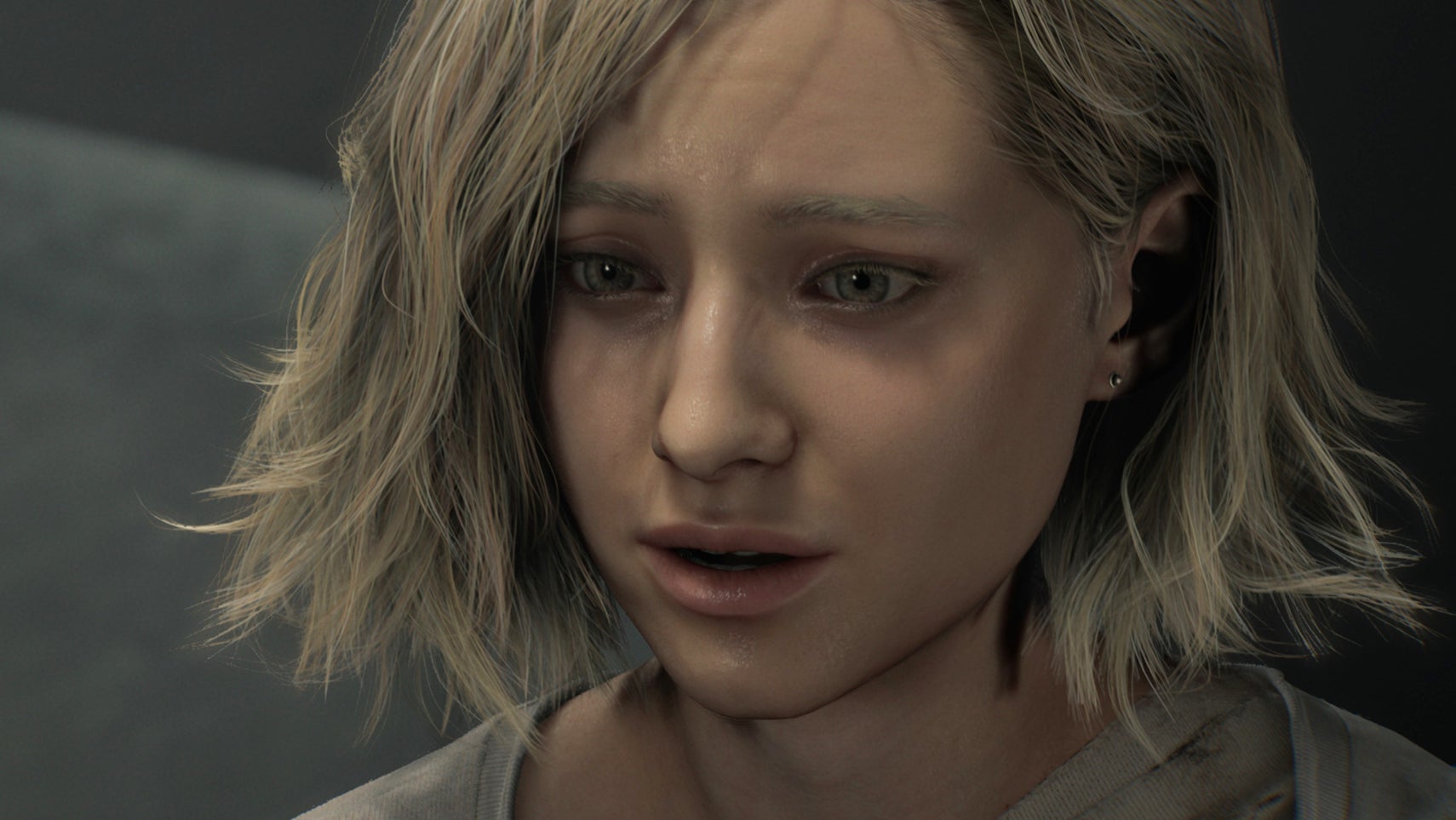
Grace Ashcroft quickly became a beloved figure within the Resident Evil community, as her character resonated emotionally with players. With an intense storyline set against the backdrop of horror and survival, Grace's design was celebrated for its authenticity. Yet, when Nvidia's new technology was applied to her character, the response was overwhelmingly negative, prompting discussions about the implications of AI in game design.
The Controversy Surrounding DLSS 5
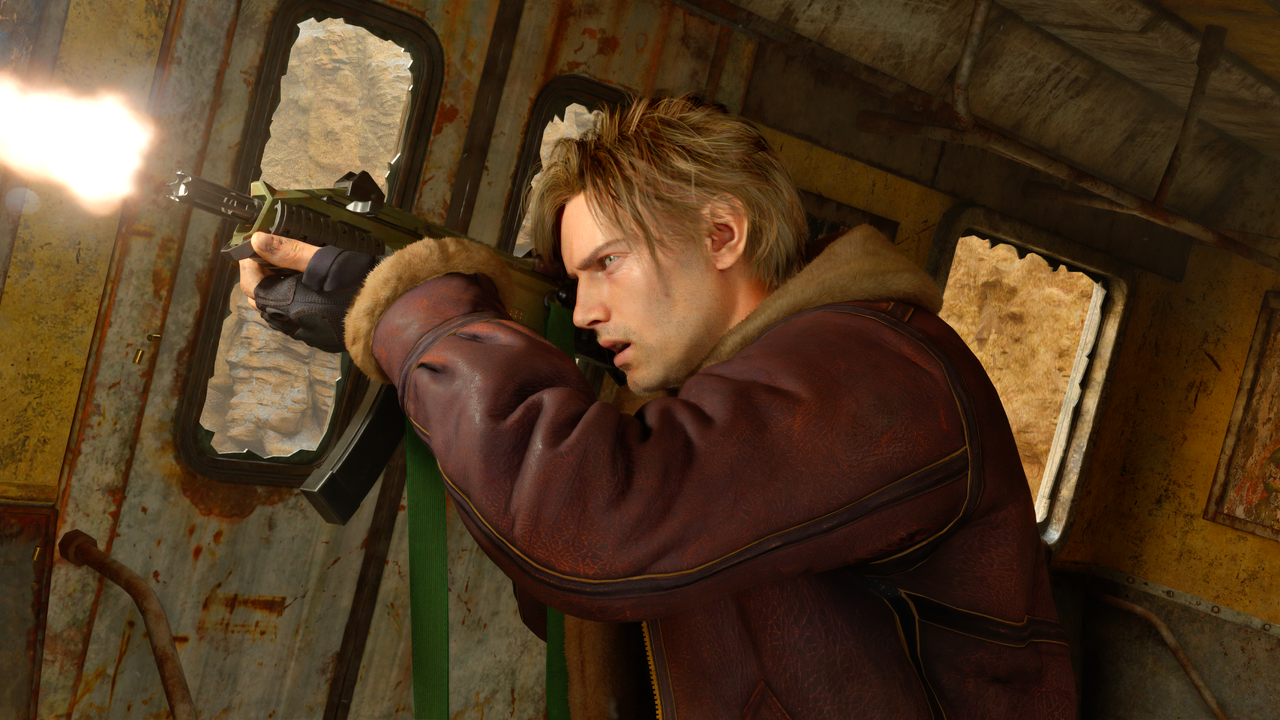
Nvidia's DLSS 5 was introduced as a groundbreaking innovation, claiming to elevate video game graphics to a level previously reserved for Hollywood. The technology utilized generative AI to enhance character appearances, with the aim of creating photorealistic visuals. In its promotional material, Nvidia featured numerous iconic characters, including Grace and Leon S. Kennedy, both of whom underwent significant visual modifications.
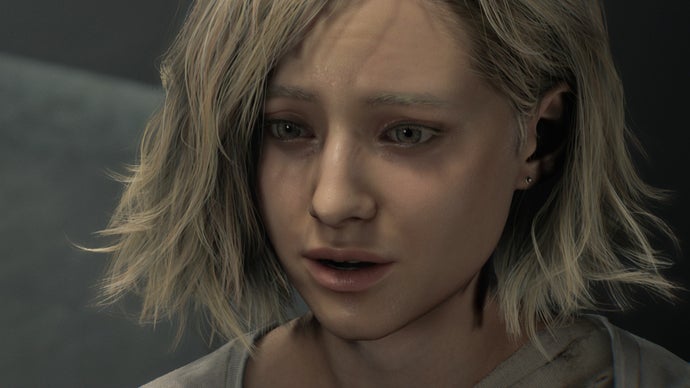
However, it was Grace's redesign that caused the most uproar. Fans expressed their dissatisfaction with the excessive makeup and alterations that aimed to 'yassify' her look, including changes to her lips and facial structure. This negative feedback was so pronounced that Nvidia's CEO, Jensen Huang, felt compelled to address the situation, labeling some of the criticisms as “completely wrong.” Such a strong reaction from the community reflects the deep emotional investment players have in character design.

Koshi Nakanishi's Insights
In a recent interview with Eurogamer, Koshi Nakanishi discussed the fan response to Grace Ashcroft and how the development team interprets this feedback. Nakanishi expressed gratitude for the strong emotional connection players have formed with Grace, emphasizing her relatability and the depth of her character. He noted that her ability to convey fear and vulnerability in the face of horror has made her a standout character in the series.
While Nakanishi refrained from directly addressing the specifics of the DLSS 5 redesign, he recognized the positive feedback surrounding Grace's original design. He stated, "A lot of players commented they really liked the original design of Grace and didn't want to see it changed." This acknowledgement indicates that the development team feels they successfully captured the essence of Grace, solidifying her as a fan favorite.
The Heart of Resident Evil
Additionally, Nakanishi and producer Masato Kumazawa delved into the core themes of horror that define the Resident Evil series. They discussed the return to Raccoon City, a setting rich with history and nostalgia for long-time fans. The duo also explored the balance between horror and action, particularly in segments featuring Leon S. Kennedy, hinting at the potential for more thrilling moments in future titles.
The conversation highlighted the evolution of character arcs within the series, raising questions about the longevity of beloved characters like Leon. Nakanishi's reflections on player engagement and character development underscore the commitment of the team to maintain the integrity of the story while adapting to new technologies.
ZenilGames Commentary
The debate surrounding Grace Ashcroft's redesign through Nvidia's DLSS 5 technology opens a broader conversation about the role of AI in gaming. As players, we must consider the impact of technological advancements on character representation and narrative authenticity. While innovations like DLSS 5 promise to enhance visual fidelity, they can also risk diluting the unique characteristics that make our favorite protagonists relatable and memorable.
Moreover, this situation serves as a reminder of the importance of community feedback in the gaming industry. Developers like Nakanishi and Kumazawa demonstrate a willingness to listen to player concerns, which is crucial in an age where player engagement is paramount. The strong reactions to the redesign of Grace highlight the deep connections players have with character design, reinforcing the idea that aesthetics are not merely superficial but integral to storytelling.
Ultimately, balancing technological enhancement with the preservation of character identity will be key for future game titles. As gaming technology continues to evolve, it will be essential for developers to prioritize player sentiment and ensure that advancements enrich rather than overshadow the narratives and characters players have come to love.
Frequently Asked Questions
What is DLSS 5 and how does it work?
DLSS 5, or Deep Learning Super Sampling 5, is a new technology introduced by Nvidia that uses AI to enhance video game graphics, aiming for a level of photorealism that resembles Hollywood visual effects. It leverages generative AI techniques to modify character appearances and environments for improved visual fidelity.
Why did fans react negatively to Grace Ashcroft's redesign?
Fans were unhappy with the AI-powered redesign of Grace Ashcroft because they felt it altered her original look excessively, particularly through the use of makeup and facial modifications that detracted from her character's authenticity. The strong emotional connection players have with Grace contributed to the backlash.
How did the developers respond to the criticism regarding Grace's redesign?
Koshi Nakanishi, the game director, acknowledged the positive feedback about Grace's original design, interpreting the backlash as a sign that the development team effectively captured her character. He expressed gratitude for the passionate response from fans, indicating that it reflects her status as a fan favorite.