Introduction to Roblox Reality
Roblox has unveiled its latest initiative, known as Roblox Reality, which aims to revolutionize the gaming landscape by leveraging artificial intelligence to enhance user-generated content. This new platform is touted as a means of 'democratizing photorealistic, multiplayer gaming,' suggesting that it will make sophisticated game design accessible to a wider audience. However, this initiative raises questions about the true nature of creativity and the role of technology in artistic expression.
The concept of democratization in technology often carries with it a sense of optimism, as it implies breaking down barriers that have traditionally hindered creativity. Yet, in the realm of AI, this term can easily become a marketing buzzword that oversimplifies the complexities involved in creative processes. Roblox appears to be positioning itself as a pioneer in this space, claiming that their new platform will allow creators to easily enhance the visual fidelity of their games without needing advanced skills or resources.
AI and Game Design: A New Approach
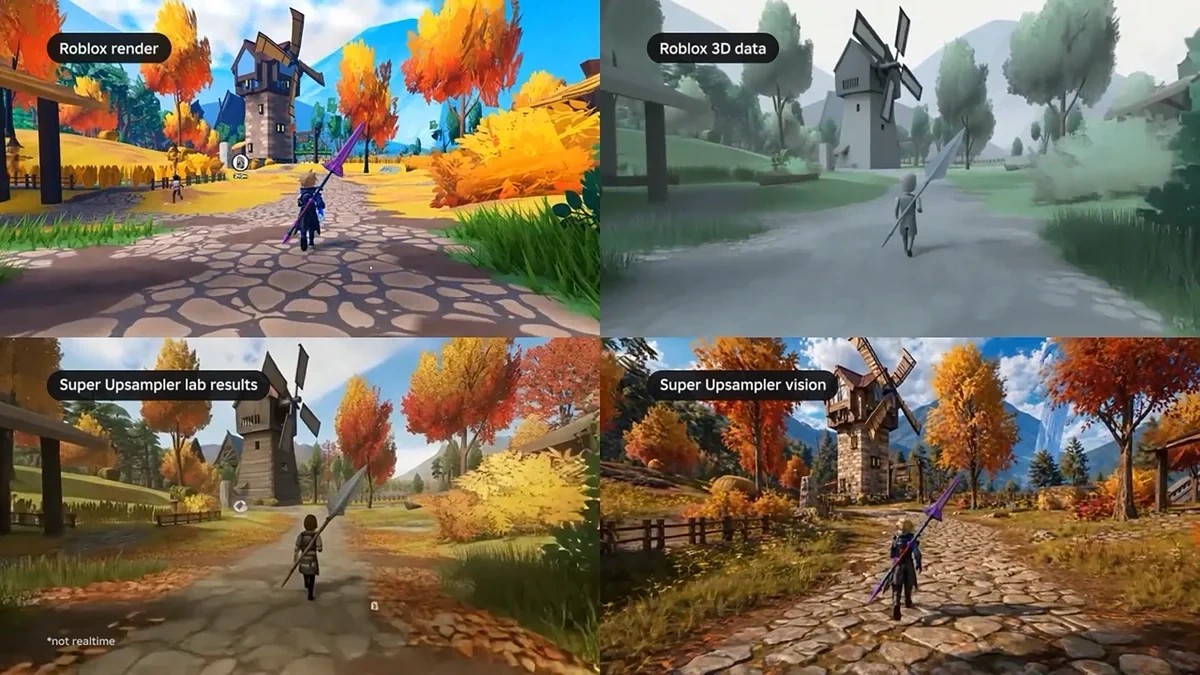
Roblox Reality's premise is straightforward: it aims to allow creators to replace the basic, blocky graphics typical of Roblox games with stunning, hyperrealistic visuals. This is achieved by combining the photorealistic capabilities of Video World Models with Roblox's existing game engine. The implication is that creators will have the ability to apply an 'AI slop filter' to their creations, instantly upgrading their aesthetic appeal without the need for traditional artistic skills.
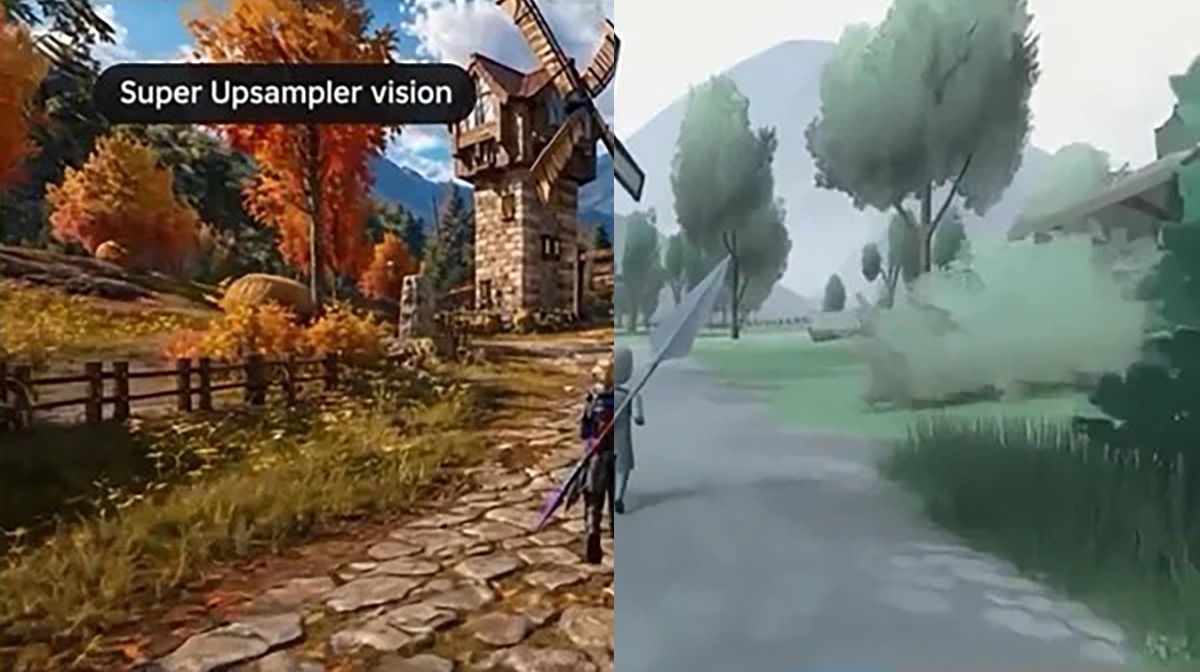
However, this approach mirrors previous attempts in the gaming industry, such as Nvidia's controversial upscaling algorithm, which faced significant backlash for undermining the work of artists. Instead of empowering creators, these technologies risk replacing the nuanced, skillful labor that has historically defined game design. Roblox's strategy seems to indicate a desire to scale up its platform by attracting a larger user base, but the question remains: at what cost?
The Illusion of Democratization
Proponents of generative AI often frame these developments as a means of democratizing creativity, arguing that they eliminate the so-called gatekeeping associated with artistic skills. However, this perspective overlooks the hard work, passion, and perseverance that contribute to genuine artistic expression. Creative processes are not merely about the end product; they are also about the journey of learning and growth that artists undergo.
As game designer and critic Austin Walker aptly noted, the act of creating games should not be reduced to a mere transactional process where machines do the heavy lifting. Instead, many creators find fulfillment in the skills they develop through practice and experimentation. Walker emphasizes that asking creators to relinquish their craft to machines is akin to a professional athlete allowing a robot to take their place on the field—it's an affront to the very essence of what it means to create.
The Question of Realism in Gaming
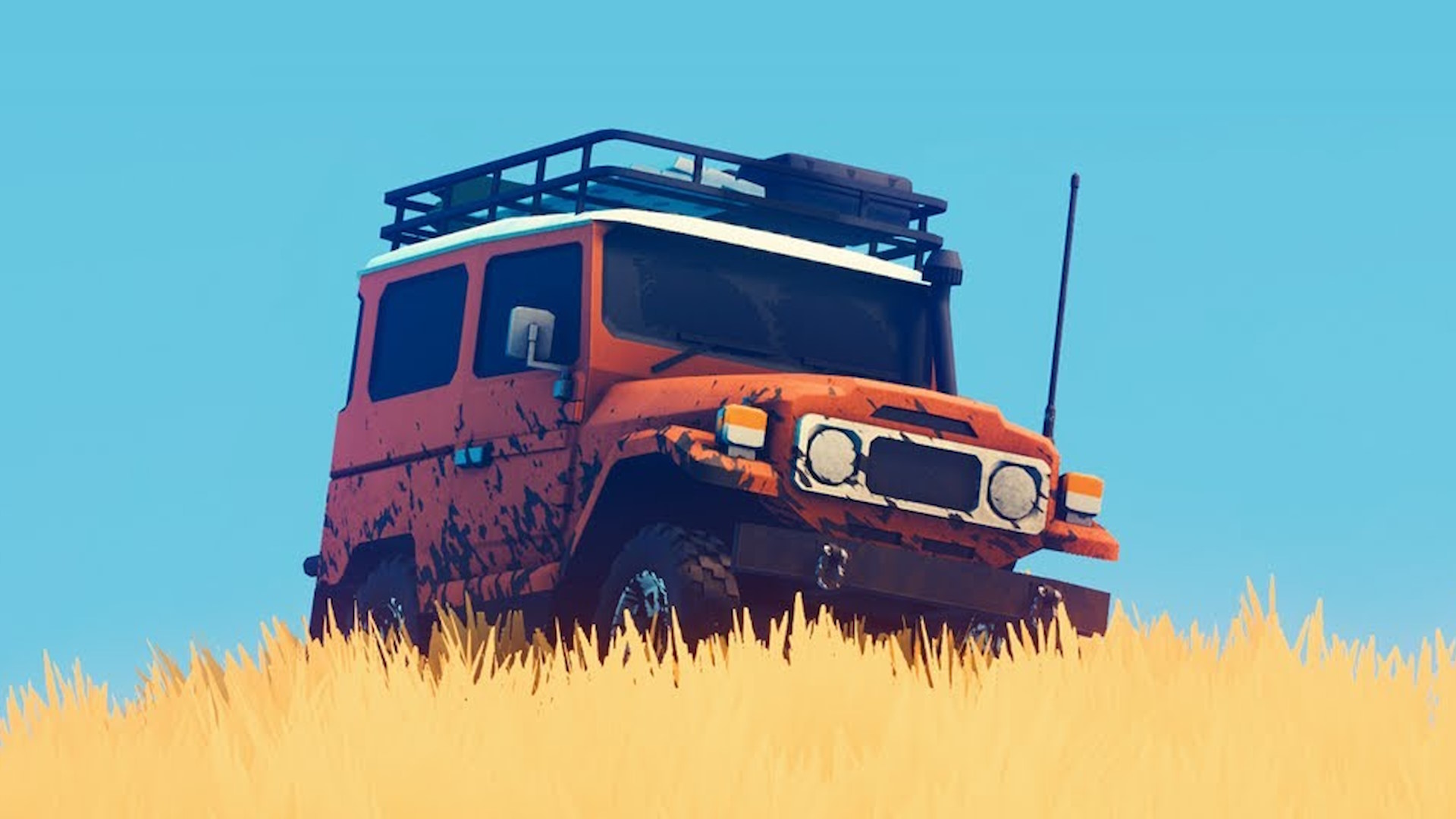
Roblox Reality's foundation rests on the belief that realism enhances the gaming experience, a notion that is often debated within the gaming community. While highly detailed graphics can be visually impressive, they do not necessarily translate to better gameplay. Indeed, many successful games prioritize unique aesthetics and engaging mechanics over photorealistic graphics.
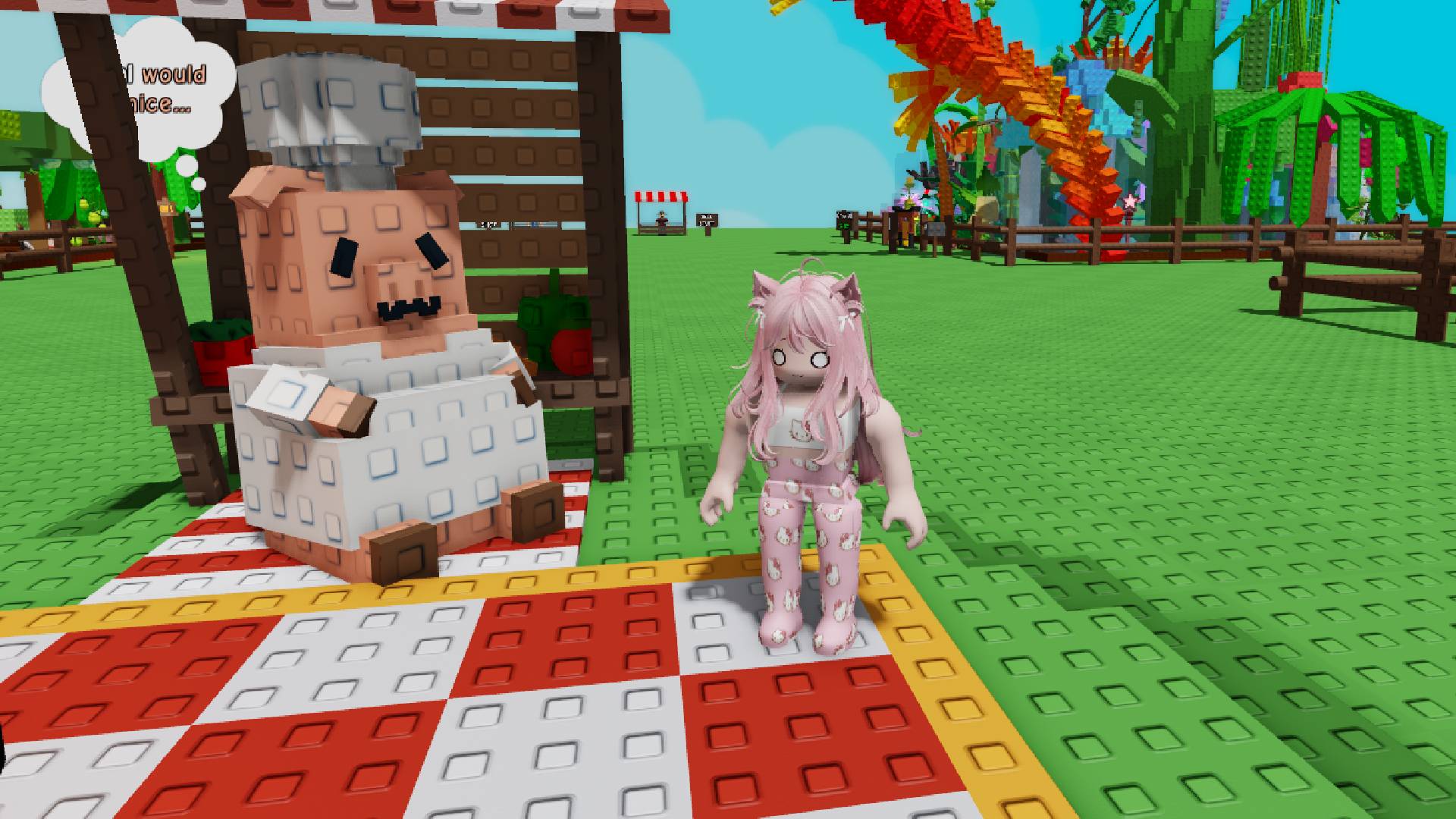
Roblox's most popular titles often feature stylized graphics that resonate with players for their charm and creativity. For instance, games like 'Grow a Garden' have gained traction not because of their visual fidelity, but due to their unique gameplay experiences and the communities that form around them. The focus on realism may ultimately alienate the very audience that has contributed to Roblox's success.
Examining the Impact of AI on Game Development
As the gaming industry continues to evolve, the introduction of AI technologies like Roblox Reality raises important questions about the future of game development. While the platform aims to reduce the costs associated with creating AAA games, it risks fostering a culture where the essence of creativity is diluted. The reliance on AI-generated visuals could lead to a homogenization of game aesthetics, where unique artistic voices are overshadowed by a singular, machine-generated style.
Moreover, the notion that AI can handle complex design tasks without human oversight is a dangerous precedent. It suggests that the intricacies of game design can be simplified to a formula, ignoring the individuality and passion that come from human creators. This trend could ultimately stifle innovation as developers rely on AI to do the heavy lifting, rather than experimenting with their own creative ideas.
ZenilGames Commentary
The introduction of Roblox Reality marks a pivotal moment in the ongoing dialogue about AI's role in creative industries. While the promise of democratization is enticing, it is essential to critically examine what this means for the artistic community. There is a fine line between enabling creators and replacing them, and Roblox must navigate this carefully to maintain the integrity of its platform.
Furthermore, the potential backlash from the gaming community could serve as a wake-up call for Roblox. Players and creators alike value the unique aspects of game design that stem from human creativity. If the platform shifts too far towards automated design, it risks losing the very essence that attracts its user base—diversity in gameplay and artistic expression.
As gamers, we should remain vigilant about the implications of AI technologies in our favorite mediums. While there is no denying the excitement surrounding advancements like Roblox Reality, it is crucial to advocate for a balance that preserves the spirit of creativity. After all, the most memorable games often come from the heart, not from an algorithm.
Frequently Asked Questions
What is Roblox Reality?
Roblox Reality is a new AI platform introduced by Roblox that aims to enhance user-generated gaming by providing photorealistic visuals and streamlining the creative process.
How does Roblox Reality affect game design?
The platform allows creators to apply advanced AI-generated graphics to their games, potentially simplifying the design process but also raising concerns about the diminishing role of human creativity.
Is realism the best approach for games?
While realism can enhance visual appeal, many successful games prioritize unique artistic styles and gameplay mechanics over purely photorealistic graphics.