The Super Mario Galaxy Movie's Reception
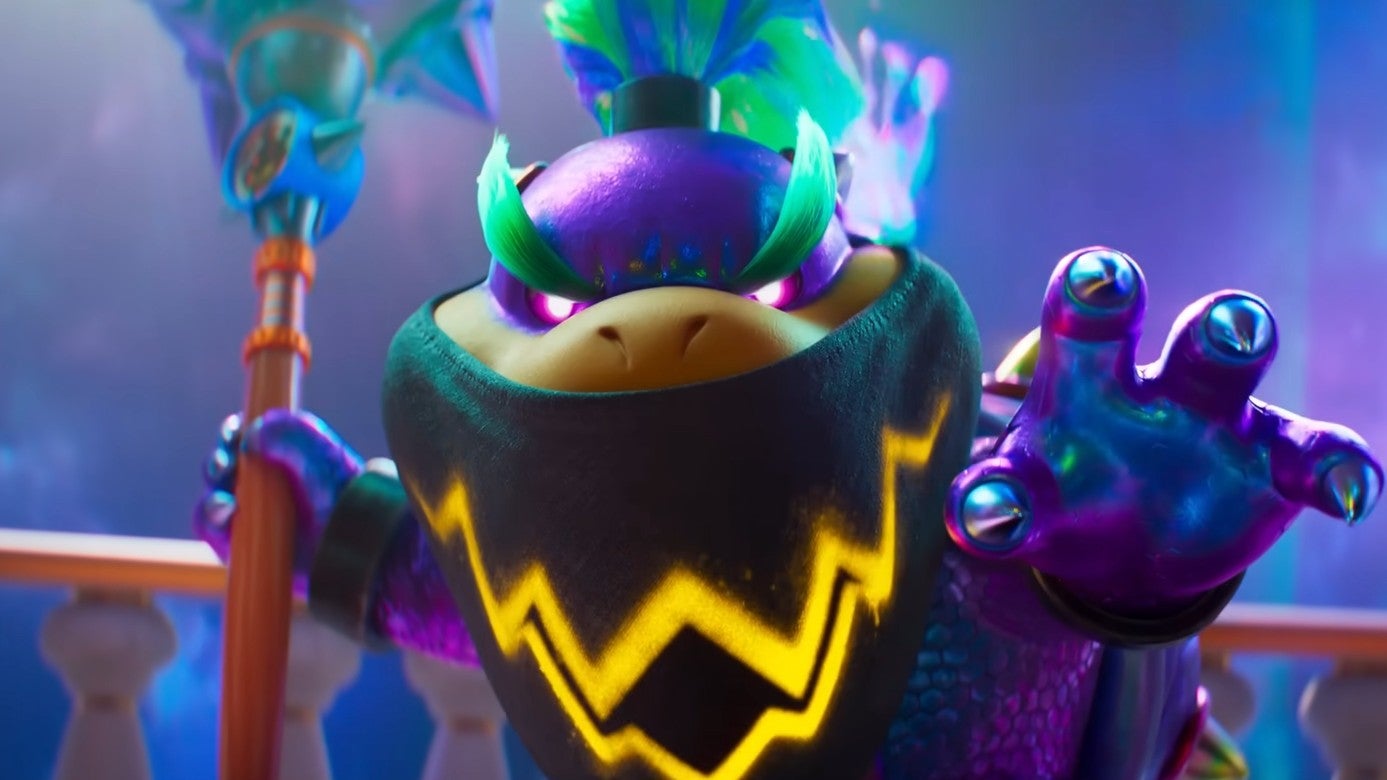
The Super Mario Galaxy Movie has achieved remarkable success at the box office, firmly establishing itself as a favorite among audiences. However, the sequel has not garnered the same level of enthusiasm from critics, which isn’t entirely unexpected given the lukewarm response to the original film. The overarching conversation on social media reflects a sentiment that, despite its entertainment value, the pacing of the movie leaves much to be desired. Critics have pointed out that the rapid-fire nature of the film may detract from character development and narrative depth.
One of the notable voices defending the film is Shigeru Miyamoto, the esteemed creator behind the Mario franchise. In a recent interview with Nintendo Dream, which was later translated by Nintendo Everything, Miyamoto provided insights into his perspective on the movie’s pacing. He strongly believes that the brisk pace of The Super Mario Galaxy Movie is beneficial, as it mirrors his own philosophy in video game design, emphasizing concise yet impactful storytelling.
Miyamoto's Approach to Storytelling
Miyamoto elaborated on his thought process regarding the film's structure, comparing it to the way he constructs video games. He described a technique where filmmakers create “small, partial units” that can stand alone while contributing to a cohesive 90-minute film. According to him, a film can consist of 30 segments, each lasting three minutes, which collectively make up the full runtime. This modular approach allows for flexibility and creativity, as it encourages the swapping and rearranging of scenes to create a compact but dense narrative experience.
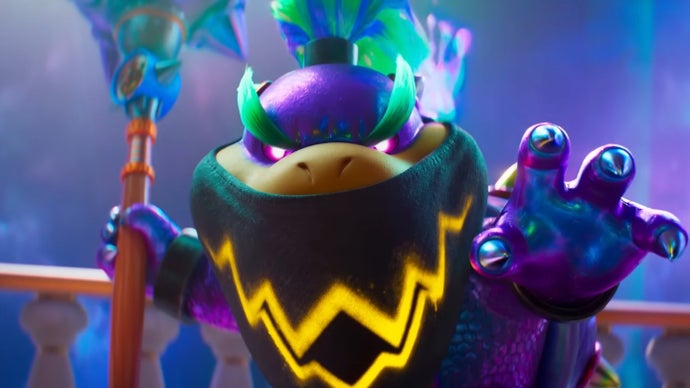
The crux of Miyamoto's argument is that each scene, whether in a movie or a game, should be enjoyable independently. This philosophy has its merits, as it ensures that audiences are constantly engaged, reducing the risk of losing attention. However, it raises a crucial question regarding the overall effectiveness of the film; if individual moments are fun but fail to contribute meaningfully to character arcs, does the film lose its emotional weight? The challenge lies in balancing humor and fan service with the need for deeper storytelling.
Criticism and Response
While Miyamoto's comments provide insight into the filmmaking process, they do not directly address the criticisms that have been leveled at The Super Mario Galaxy Movie. Many critics have noted that the quick succession of jokes and visual gags can lead to a lack of substance, with not enough time allocated for character development or narrative coherence. For instance, Eurogamer remarked that the film does not allow sufficient space for memorable moments to truly resonate with the audience.
Moreover, Miyamoto acknowledged that the movie was crafted with a younger audience in mind, where quick-paced scenes would keep children entertained and engaged. He expressed that making the film a rapid 90-minute experience was intentional, aimed at capturing the attention of kids who might find it challenging to sit still for prolonged periods. This consideration of the target demographic is certainly valid, yet it raises the question of whether a deeper narrative could have been achieved without sacrificing engagement.
Future Prospects and Home Release
As audiences eagerly await the home release of The Super Mario Galaxy Movie, many are reflecting on its theatrical run and the mixed reviews it received. For those who missed the movie in theaters or prefer to enjoy it in the comfort of their homes, Universal Pictures has announced that it will be available on Video On Demand (VOD) platforms starting May 19. This availability opens up opportunities for viewers to revisit the film and form their own opinions, especially amid ongoing discussions about its pacing and narrative structure.
In the context of animated films, this conversation is particularly relevant as studios strive to balance entertainment value with storytelling depth. While The Super Mario Galaxy Movie may not have met all critical expectations, its commercial success speaks to the enduring popularity of the Mario franchise and its ability to attract audiences of all ages. As the film makes its VOD debut, it will be interesting to see how audiences respond to it in a more personal viewing environment.
ZenilGames Commentary
From an editorial standpoint, the discussion surrounding The Super Mario Galaxy Movie's pacing invites a broader conversation about animated films today. With fast-paced storytelling becoming increasingly common, there is a growing need to evaluate whether this approach serves the narrative or merely caters to fleeting attention spans. While Miyamoto's insights reflect a certain innovative approach to filmmaking, they also raise concerns about the sustainability of such a method in the long term. As fans of the gaming and animation industries, we must consider what we value most in storytelling.
Furthermore, the notion of creating standalone segments within a larger narrative framework challenges traditional storytelling methods. While it can enhance engagement, it risks sacrificing emotional depth and character development—two aspects that are often the heart of animated films. As viewers, we must advocate for stories that resonate on multiple levels, where humor and enjoyment do not overshadow the importance of coherent character arcs.
Ultimately, The Super Mario Galaxy Movie serves as a case study in the evolving landscape of animated storytelling. As audiences, we have the power to influence the direction of future films by voicing our preferences for narratives that balance entertainment with substance. As we reflect on Miyamoto's comments and the film's reception, it becomes clear that the dialogue surrounding animation will only grow richer as we demand more from the stories we cherish.
Frequently Asked Questions
What is the main criticism of The Super Mario Galaxy Movie?
The main criticism centers around the film's pacing, which some reviewers argue does not allow for sufficient character development or memorable moments to resonate with the audience.
When will The Super Mario Galaxy Movie be available for home viewing?
The film is set to be released on Video On Demand (VOD) platforms on May 19, allowing viewers to watch it at their convenience.
How does Miyamoto's approach to storytelling influence animated films?
Miyamoto's modular approach to storytelling emphasizes creating short, engaging segments that can stand alone, which can enhance audience engagement but may also impact the depth of the narrative.