Introduction
The trial of Musk v. Altman has recently commenced, setting the stage for a dramatic confrontation between two tech titans: Elon Musk and Sam Altman. Musk, the CEO of Tesla and SpaceX, has filed a lawsuit against Altman and OpenAI, alleging that they exploited his genuine concerns regarding the potential existential threats posed by artificial intelligence. The lawsuit has been characterized by Musk's attorney as a classic narrative of altruism clashing with greed, positioning Musk as the altruistic figure in this unfolding drama. However, the initial jury selection process suggests that Musk's legal team may face significant challenges in building their case.
During the jury selection, or voir dire, it became apparent that opinions about Musk were far from favorable. According to reports from the San Francisco courthouse, potential jurors expressed strong negative sentiments towards Musk, with one stating bluntly, 'Elon Musk is a greedy, racist, homophobic piece of garbage.' Such candid remarks highlight the uphill battle Musk's lawyers face in convincing a jury of his character as the benevolent humanitarian he aims to portray.
The Jury Selection Process
The voir dire process revealed a striking division among the prospective jurors regarding their perceptions of Musk. Out of the first twenty jurors, five expressed openly negative feelings about him, while only one indicated that their dislike would prevent them from being impartial. This scenario provided Musk's legal team with what could be described as an easy opportunity to excuse those jurors, yet they encountered resistance from the presiding judge.
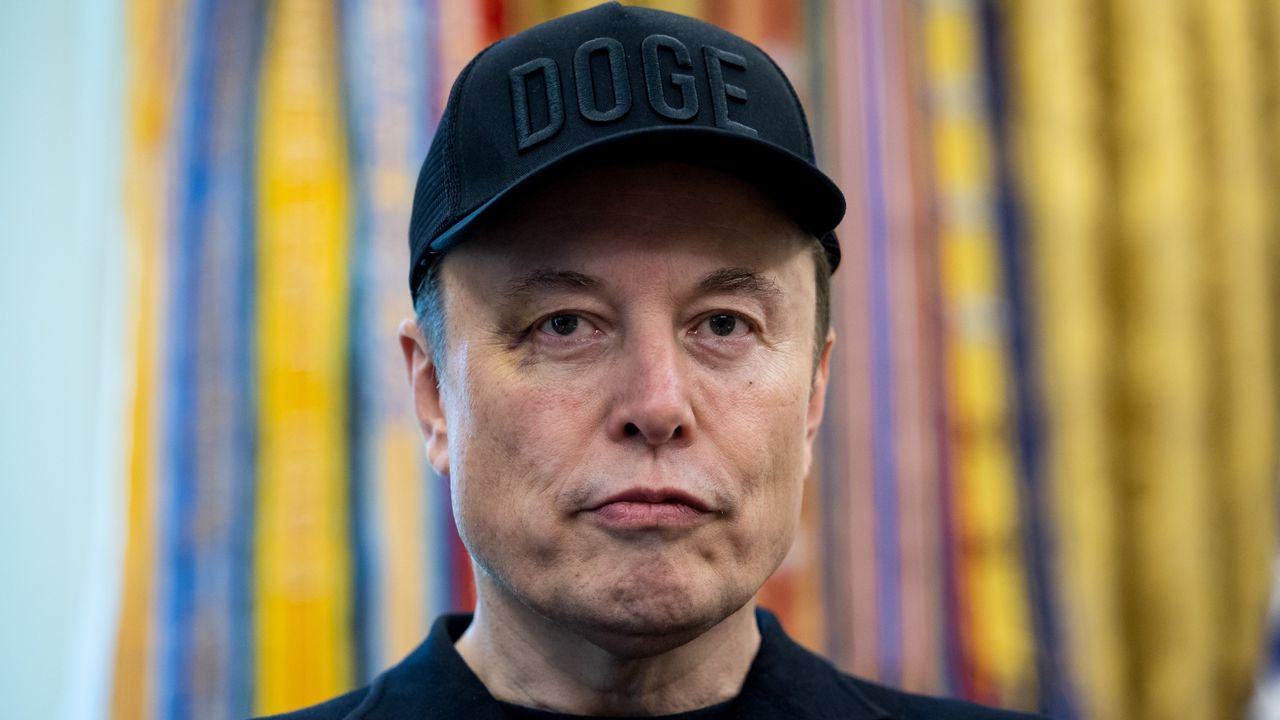
Judge Yvonne Gonzales Rogers, in a moment reminiscent of a scene from a popular sci-fi film, acknowledged the reality of public sentiment towards Musk. She stated, 'The reality is that people don’t like him. Many people don't like him,' underscoring the challenge Musk faces in the courtroom. Her refusal to dismiss jurors based solely on their negative opinions of Musk reflects a commitment to maintaining the integrity of the judicial process, despite the personal biases of those involved.
The Core of Musk's Allegations
At the heart of Musk's lawsuit is the claim that he devoted substantial time, effort, and financial resources to OpenAI with the expectation that it would remain a nonprofit organization. Musk alleges that both he and the nonprofit's mission were compromised when OpenAI transitioned to a for-profit model, thereby betraying the foundational principles that initially drew him to the organization. This shift, according to Musk, has led to significant financial gains that he feels should have never occurred at the expense of its altruistic goals.
In the opening arguments presented by OpenAI's lead counsel, William Savitt, the defense contended that Musk's lawsuit is fundamentally rooted in his dissatisfaction with the direction of OpenAI. Savitt argued that Musk had previously attempted to convert OpenAI into a for-profit entity himself back in 2017, suggesting that Musk's current grievances stem from his failure to control the organization as he envisioned. This assertion aligns with earlier reports detailing the power struggle that existed between Musk and Altman, further complicating the narrative Musk seeks to present.
Looking Ahead in the Trial
As the trial progresses, Musk is expected to take the stand, marking a significant moment in the proceedings. However, legal experts suggest that a definitive resolution may still be months away, leaving the public to speculate on the potential outcome. Regardless of the verdict, many anticipate that the trial will serve as a cautionary tale about the intersection of technology and ethics, particularly in an age where artificial intelligence is becoming increasingly influential.
The implications of this case extend beyond the courtroom, as it raises questions about the responsibilities of tech leaders in guiding the development of transformative technologies. Observers are keen to see how the trial will unfold, hoping that it will provide not only legal insights but also entertaining anecdotes that might serve to further humanize the often-controversial figures involved.
ZenilGames Commentary
This trial is more than just a legal battle; it represents a broader societal discourse on the ethical implications of artificial intelligence and the responsibilities that come with such profound technological advancements. As gamers and tech enthusiasts, we are often caught between the excitement of innovation and the potential risks involved. The ongoing case between Musk and Altman epitomizes this tension, highlighting the need for accountability among those who wield significant influence over these powerful tools.
Moreover, the public’s reaction to Musk during the jury selection process underscores a critical point: perceptions of tech leaders are rapidly changing. Once heralded as visionaries, figures like Musk are now facing intense scrutiny and backlash. This shift in sentiment may signal a new era in which the tech industry must grapple with the societal impacts of its innovations rather than simply celebrating their successes.
As this trial unfolds, it will be fascinating to observe how the narrative evolves. Will Musk emerge as a martyr for the ethical treatment of AI, or will he be viewed as just another billionaire embroiled in a power struggle? The outcome could potentially reshape public opinion about not only Musk and Altman but also the entire tech industry and its approach to ethical considerations in the age of AI.
Frequently Asked Questions
What is the main issue in the Musk v. Altman trial?
The primary issue revolves around Musk's allegations that Altman and OpenAI exploited his contributions under the pretense of maintaining a nonprofit status, which they later abandoned for profit.
How did the jury selection process go?
The jury selection revealed significant negative sentiment towards Musk among potential jurors, with several expressing strong opinions that could complicate his case.
What are the potential implications of this trial?
The trial could have broad implications for the tech industry, particularly regarding ethical responsibilities in the development and deployment of artificial intelligence technologies.