Introduction to the Steam Machine
As anticipation builds within the gaming community, Valve's long-awaited Steam Machine appears to be inching closer to its official release. Recent reports indicate that Valve has successfully imported a significant amount of gaming hardware into the United States, with estimates suggesting around 50 tons of equipment has arrived. While some speculate that these shipments may contain Steam Decks, the distinct shipping weights and patterns have sparked hope that the Steam Machine's launch is imminent.
Notably, the Steam Machine aims to challenge the dominance of existing consoles like the PlayStation 5 and Xbox Series X. The incorporation of advanced technology such as HDMI 2.1 could potentially elevate the Steam Machine's standing in the competitive console market, leading many to wonder if Valve has truly created a game-changer for high-end gaming.
Import Records and Speculation
The recent import records examined by sources like The Verge have led to considerable speculation regarding the nature of the shipments. With approximately 20,000 Steam Machines estimated to be included in these imports, the potential for a swift sellout becomes apparent. Enthusiasts are eagerly awaiting the chance to secure one of these consoles, particularly if Valve's supply chain is not equipped to meet the anticipated demand.
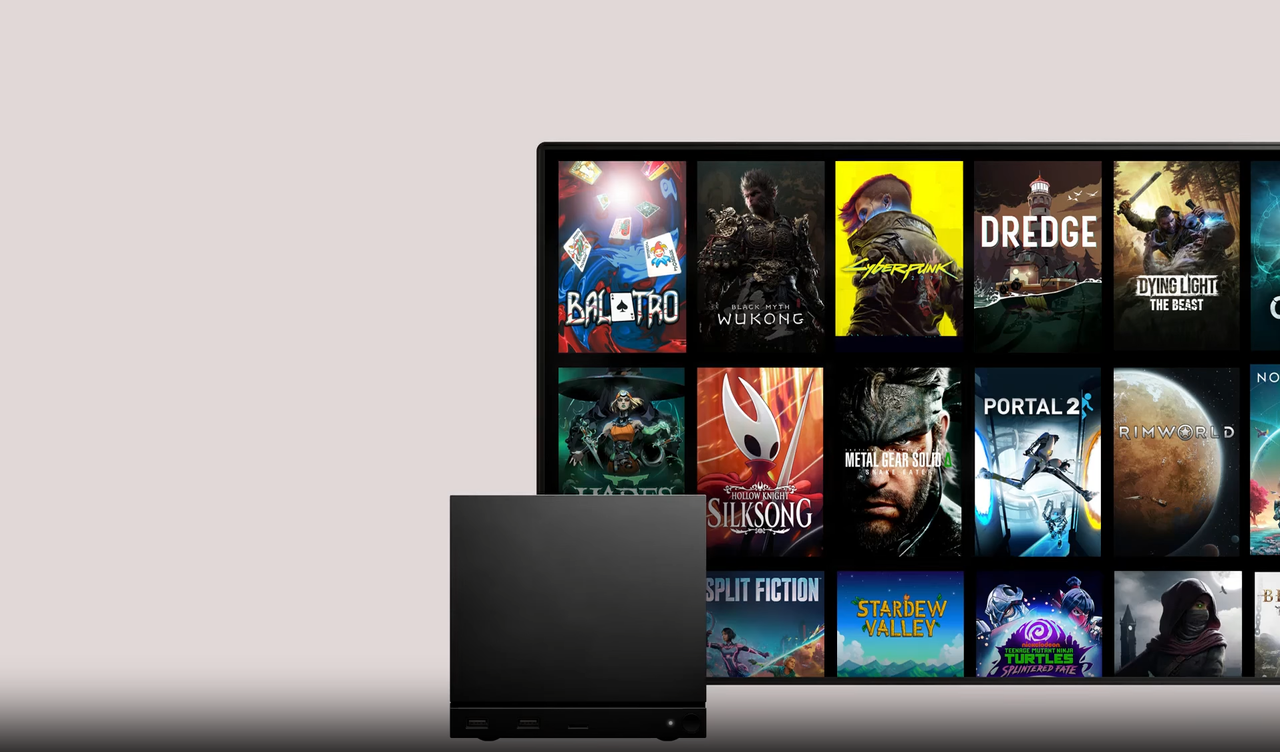
This influx of hardware has also fueled discussions about the specifications of the Steam Machine. Early indications suggest that the console may support HDMI 2.1, which could unlock the capability for full 4K gaming at 120Hz and variable refresh rate (VRR). Such features have previously been deemed unattainable for the Steam Machine, raising questions about how Valve has managed to overcome these technical hurdles.
Technical Enhancements and HDMI 2.1
Valve had previously stated that while the hardware was compatible with HDMI 2.1, software limitations prevented full utilization of this technology. The HDMI Forum's restrictions on open-source Linux drivers posed a significant barrier for Valve, complicating their efforts to enable HDMI 2.1 functionality. However, recent developments suggest that collaborations with AMD may be paving the way for a breakthrough.
Reports from sources like Phoronix indicate that AMD has released critical Linux kernel patches that introduce support for HDMI Fixed Rate Link (FRL), an essential feature of HDMI 2.1. This advancement allows for the possibility of high-quality 4K gaming at impressive frame rates, which could place the Steam Machine in direct competition with the highest-end gaming consoles available today.
Future Potential of the Steam Machine
While the launch date for the Steam Machine remains unconfirmed, Valve is optimistic about releasing the console within the first half of 2026. The delays attributed to memory and storage shortages have pushed back the anticipated release timeline, but the company is actively working towards a resolution. As gamers eagerly await further announcements, the outcome of these shipping records may provide insight into the console's readiness for market entry.
The potential for a robust gaming experience with the Steam Machine is exciting, particularly for those who seek an alternative to traditional consoles. If Valve can deliver on its promise of advanced features, it may reshape the landscape of home gaming, offering a compelling option for enthusiasts who prioritize high performance and cutting-edge technology.
ZenilGames Commentary
The gaming community has long awaited the arrival of Valve's Steam Machine, and the recent news of significant imports suggests that Valve is finally ready to deliver. As a platform that aims to merge PC gaming with console simplicity, the Steam Machine has the potential to attract a diverse audience. With the possibility of HDMI 2.1 support, it could cater to gamers who demand ultra-high-definition visuals and smooth gameplay, making it a worthy competitor to established consoles.
Moreover, Valve's strategic approach in addressing software limitations indicates a commitment to innovation. The collaboration with AMD to enable HDMI 2.1 compatibility reflects a desire to push boundaries and enhance user experience. This willingness to tackle challenges head-on could inspire confidence among gamers, reassuring them that they are investing in a console that will evolve alongside technological advancements.
Ultimately, the success of the Steam Machine will hinge on Valve's ability to meet consumer expectations. Gamers are increasingly seeking systems that not only perform well but also offer a seamless integration of features that enhance gameplay. If Valve can deliver a console that lives up to the hype, it could redefine how gamers perceive the intersection of PC and console gaming.
Frequently Asked Questions
When is the expected launch date for the Steam Machine?
The Steam Machine is anticipated to launch in the first half of 2026, although specific dates have not yet been confirmed due to ongoing supply chain issues.
What are the key features of the Steam Machine?
Key features are expected to include HDMI 2.1 support, allowing for full 4K gaming at 120Hz, variable refresh rate, and an overall enhanced gaming experience compared to previous models.
How does the Steam Machine compare to other consoles?
With its advanced specifications, including potential HDMI 2.1 capabilities, the Steam Machine aims to compete directly with consoles like the PS5 and Xbox Series X, positioning itself as a strong alternative for high-end gaming.