Introduction to Xbox's Exclusivity Strategy
In a recent development that has captured the attention of the gaming community, Xbox has announced that it is reexamining its stance on game exclusivity. This update comes from the newly appointed CEO Asha Sharma, who succeeded Phil Spencer in leading Microsoft's gaming division. During her statement, Sharma indicated that Xbox is taking a fresh look at how it approaches exclusivity, hinting at potential changes on the horizon.
While the specifics of these discussions remain under wraps, it is evident that Xbox's future direction could have significant implications for gamers. As noted by our colleagues at Pure Xbox, the new strategy does not necessarily mean that all Xbox titles will abandon rival platforms; however, there are indications that a shift could be underway that may affect how games are distributed across different consoles.
Current State of Xbox Exclusivity
Reports have surfaced indicating that since Asha Sharma took the helm, there has been a resurgence of interest in exclusivity for Xbox titles. This renewed focus raises questions about how such a strategy might influence future game releases, particularly in relation to competitors like the anticipated Switch 2. Xbox has historically been known for its commitment to cross-platform gaming, but the changing landscape could lead to a reevaluation of this approach.
Jez Corden, an Executive Editor at Windows Central, has provided insight into the ongoing discussions within Microsoft regarding exclusivity. He suggests that the internal conversations are robust, emphasizing that Xbox recognizes the importance of exclusivity. Corden stated, "There are very very very big discussions about the exclusivity stuff going on right now. They do recognize the value - it's just about what kind of company you want to be, at the end of the day." This statement underlines the strategic crossroads that Microsoft finds itself at.

Impact of Recent Acquisitions
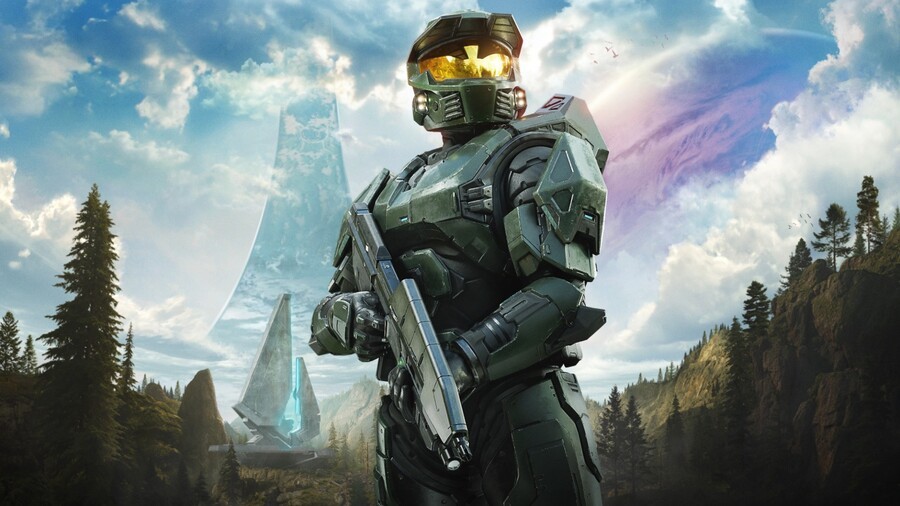
Microsoft's strategy in recent years has revolved around acquiring several third-party companies, which has aimed to enhance the Xbox brand's appeal and accessibility. This approach has led to notable titles, such as Forza Horizon, being made available on PlayStation, alongside the iconic Halo franchise making its way to rival consoles. While this strategy appears to have been financially beneficial for Microsoft, it has also raised concerns among fans about the dilution of the Xbox brand identity.
As Xbox contemplates its future, the potential introduction of exclusives could pose challenges. Some industry experts argue that without exclusive titles, the forthcoming next-generation system, currently codenamed Project Helix, may struggle to attract consumers. This concern highlights the delicate balance Microsoft must strike between broadening its reach and maintaining a strong brand identity.
Speculations on Potential Exclusives
Despite the ongoing discussions, there has been no formal announcement regarding the locking down of specific titles as exclusives. Corden has speculated that iconic franchises like Call of Duty, which are heavily reliant on multiplayer experiences, are unlikely to become exclusive. However, he indicated that there could be a possibility of some single-player titles being designated as exclusives in the future.
This speculation brings to light the complex nature of exclusivity in the modern gaming landscape. With gamers increasingly expecting cross-platform availability, Microsoft's decisions in this arena will be crucial in shaping its future. The company must carefully consider the implications of restricting access to certain titles while also weighing the potential benefits of exclusivity.
ZenilGames Commentary
From a broader perspective, the discussions surrounding Xbox's exclusivity strategy reflect an ongoing evolution within the gaming industry. As platforms vie for market share, the question of whether to prioritize exclusivity or accessibility remains a contentious issue. For many gamers, the desire for access to a diverse library of games often clashes with the traditional model of exclusive content that has defined console competition.
Moreover, Microsoft's approach raises interesting questions about the future of gaming ecosystems. The company's potential pivot towards exclusivity may signify a desire to establish a more competitive edge. However, this shift could alienate a segment of the player base that values cross-platform play and accessibility. The balance between fostering a unique gaming experience and maintaining inclusivity will be critical as Xbox navigates this complex landscape.
Ultimately, the outcome of these discussions will have far-reaching consequences for Xbox and its players. Whether the company leans towards a more exclusive model or continues to champion accessibility will shape the future of its gaming identity. As gamers await further details, the anticipation surrounding Xbox's next steps continues to grow.
Frequently Asked Questions
What is the current status of Xbox's exclusivity strategy?
As of now, Xbox is reevaluating its approach to game exclusivity under new CEO Asha Sharma. While there are discussions about potential changes, no official announcements have been made regarding locking specific titles as exclusives.
How might this affect future Xbox game releases?
The potential shift in strategy could impact how future Xbox games are released, particularly regarding their availability on rival platforms. Some reports suggest that while major franchises may remain cross-platform, certain single-player titles could become exclusive.
What are the implications of Xbox focusing more on exclusivity?
If Xbox decides to focus more on exclusivity, it could strengthen its brand identity and potentially drive more console sales. However, it may also alienate gamers who value cross-platform access, leading to a complex balancing act for the company.