Introduction to the ROG Equalizer Cable
In the ever-evolving landscape of PC gaming, graphical fidelity has become a paramount concern, leading to frequent discussions about the reliability of power connectors and cables. Asus, a prominent player in this field, has introduced the ROG Equalizer cable, which is designed to provide enhanced performance for graphics cards that often encounter issues with power delivery. However, initial testing results indicate that the actual benefits of this cable may not be as straightforward as Asus claims. This article delves into the specifications, testing outcomes, and implications of using the ROG Equalizer cable for PC gamers.
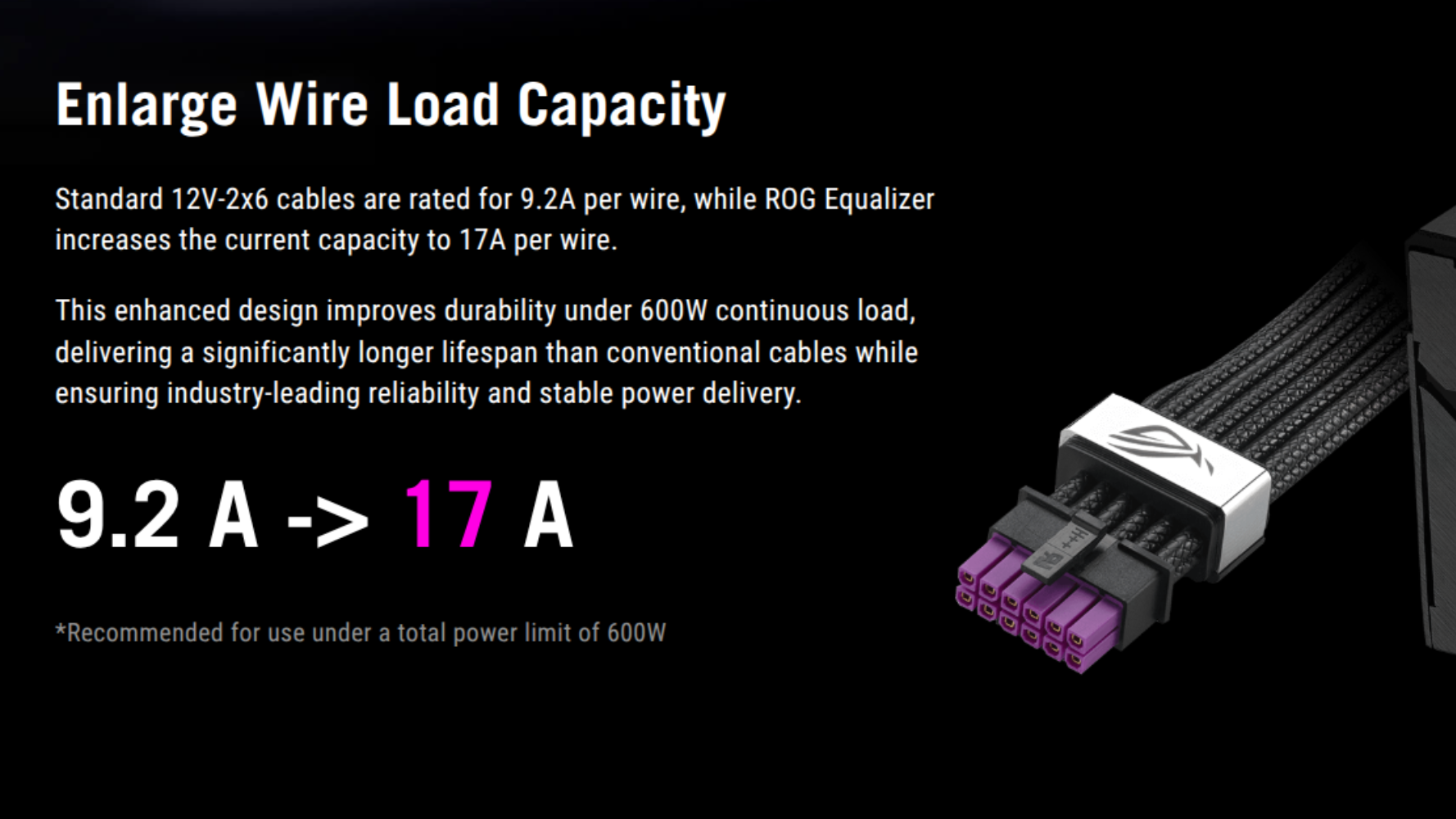
The ROG Equalizer cable is marketed as a solution to the common problem of melting graphics card connectors, a concern that has plagued enthusiasts for years. Asus asserts that this cable can handle up to 17 amps of current, significantly more than the standard 12V-2x6 or 12VHPWR cables, which typically manage only 9.2 amps. This higher amperage is intended to ensure better load distribution across the pins, theoretically reducing the risk of overheating and potential damage. However, without active components to monitor and balance the load, the cable's effectiveness remains in question.
Performance Analysis
Testing conducted by renowned hardware expert Der8auer, utilizing the Thermal Grizzly Wireview, examined the current distribution across three ROG Equalizer cables. The findings revealed that while the Equalizer cable did exhibit some degree of current imbalance, it was not the worst performer in the group. In fact, it showed a greater imbalance than the deleyCON and Asus Thor 12VHPWR cables but was notably better than a defective Seasonic PX-2200 cable. This suggests that while the Equalizer may not outperform all competitors, it holds its ground against certain benchmarks.
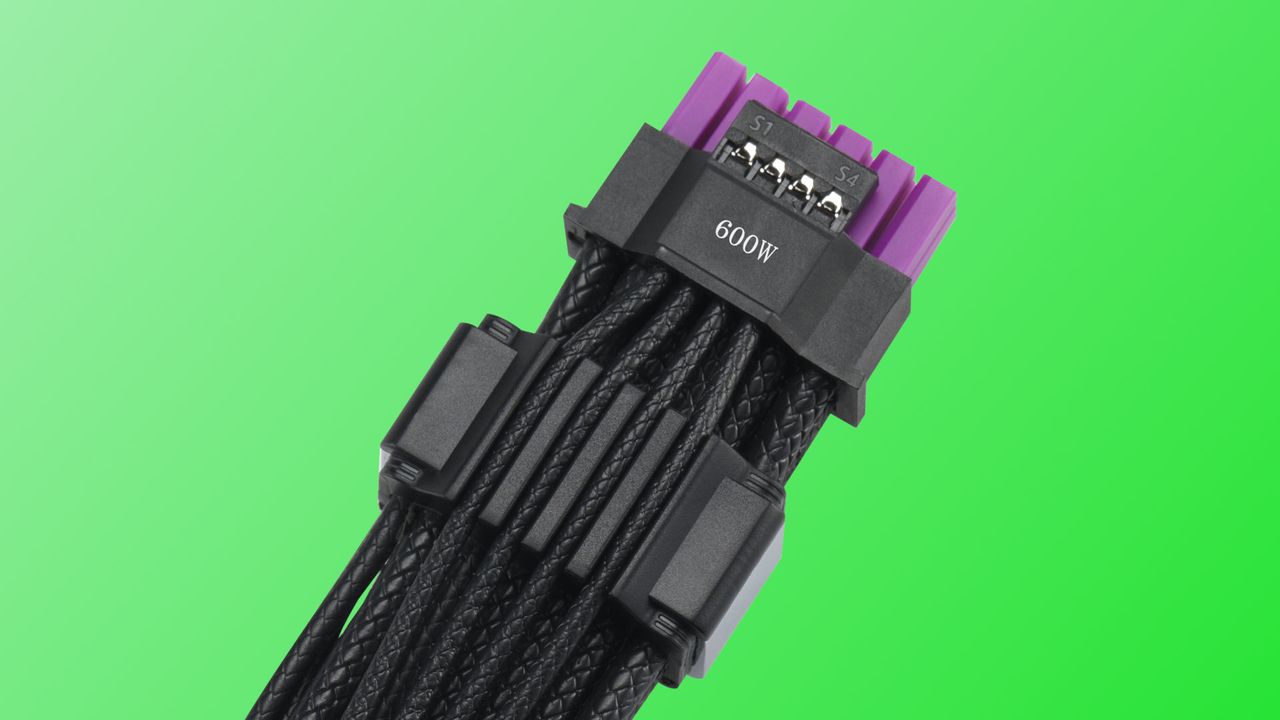
In a detailed breakdown of the performance, Der8auer noted the highest recorded current discrepancies between pins. The deleyCON cable displayed a maximum delta of 0.7 amps, while the Thor cable recorded 0.6 amps. In contrast, the Seasonic cable faced a staggering 5.6 amps. The Equalizer, however, ranged between 2 and 3.6 amps, indicating a moderate level of imbalance. This information is crucial for gamers who rely heavily on stable power delivery for optimal performance.
Concerns Regarding Cable Design
One key aspect of the ROG Equalizer cable is its bridge, a metal component designed to connect the pins near the GPU end. Der8auer raises concerns that this bridge may not contribute to load balancing as effectively as one might hope. Instead, it presents a unique set of circumstances that could affect power delivery during high-demand scenarios. The absence of active load monitoring means that users may not have the peace of mind they expect when using this cable.
Furthermore, the testing revealed that one pin on the Equalizer cable reached 9.8 amps, surpassing the Ampinel’s maximum current threshold of 9.2 amps. This inconsistency raises questions about the cable's reliability under stress, particularly when paired with high-performance graphics cards. Asus acknowledges these imbalances but maintains that the increased amperage rating should keep everything within operational specifications, even under heavy loads.
Market Position and Consumer Expectations
Asus’s marketing strategy for the ROG Equalizer cable positions it as a premium solution, bundled with high-end power supplies like the ROG Thor III and ROG Strix Platinum Series. The company aims to provide users with a sense of security when powering their systems. However, the reality is that many gamers may not require such specialized cables. Standard power connectors are generally sufficient for most graphics cards, and the perceived need for additional safeguards can lead to unnecessary expenditures.
This situation raises an important point for consumers: while advanced cables like the ROG Equalizer are available, the fundamental design of graphics cards and their power connectors should inherently support the required power delivery without the need for supplementary accessories. Gamers should be able to purchase a graphics card without having to worry about potential compatibility issues or the risk of overheating due to inadequate power supply connections.
ZenilGames Commentary
From a gamer’s perspective, the introduction of the ROG Equalizer cable sparks a broader conversation about the future of power delivery in gaming systems. With the increasing power demands of modern graphics cards, the industry must address these challenges head-on. While the Equalizer cable offers some promising specifications, it also highlights the ongoing struggle between innovation and practicality. Gamers are understandably wary of investing in products that may not deliver the promised performance enhancements.
Moreover, there is a palpable frustration among the gaming community regarding the prevalence of power-related issues. Many players expect their hardware to function seamlessly without additional interventions. The fact that Asus feels the need to market such a cable suggests that there is a significant gap in the current power supply technology that needs to be filled. Ultimately, gamers deserve solutions that prioritize reliability and performance without complicating their experiences.
As the landscape of PC gaming continues to evolve, it is crucial for manufacturers to focus on developing robust power delivery systems that do not rely on supplementary products. The ROG Equalizer cable, while a step in the right direction, should serve as a catalyst for further innovation rather than a band-aid for existing problems. The gaming community is eager for advancements that will enhance their experience without adding layers of complexity.
Frequently Asked Questions
What is the ROG Equalizer cable designed for?
The ROG Equalizer cable is designed to improve power delivery to graphics cards, allowing for higher amperage handling compared to standard cables. It aims to reduce the risk of overheating and damage.
How does the ROG Equalizer compare to other power cables?
Initial tests indicate that while the ROG Equalizer cable shows some current imbalance, it performs better than certain cables like the faulty Seasonic PX-2200. However, it does not outperform all competitors.
Should I invest in the ROG Equalizer cable for my gaming setup?
Whether to invest in the ROG Equalizer cable depends on your specific gaming needs. For most users, standard power connectors are sufficient. The Equalizer may be beneficial for high-performance setups, but its necessity is debatable.