Introduction to Saros
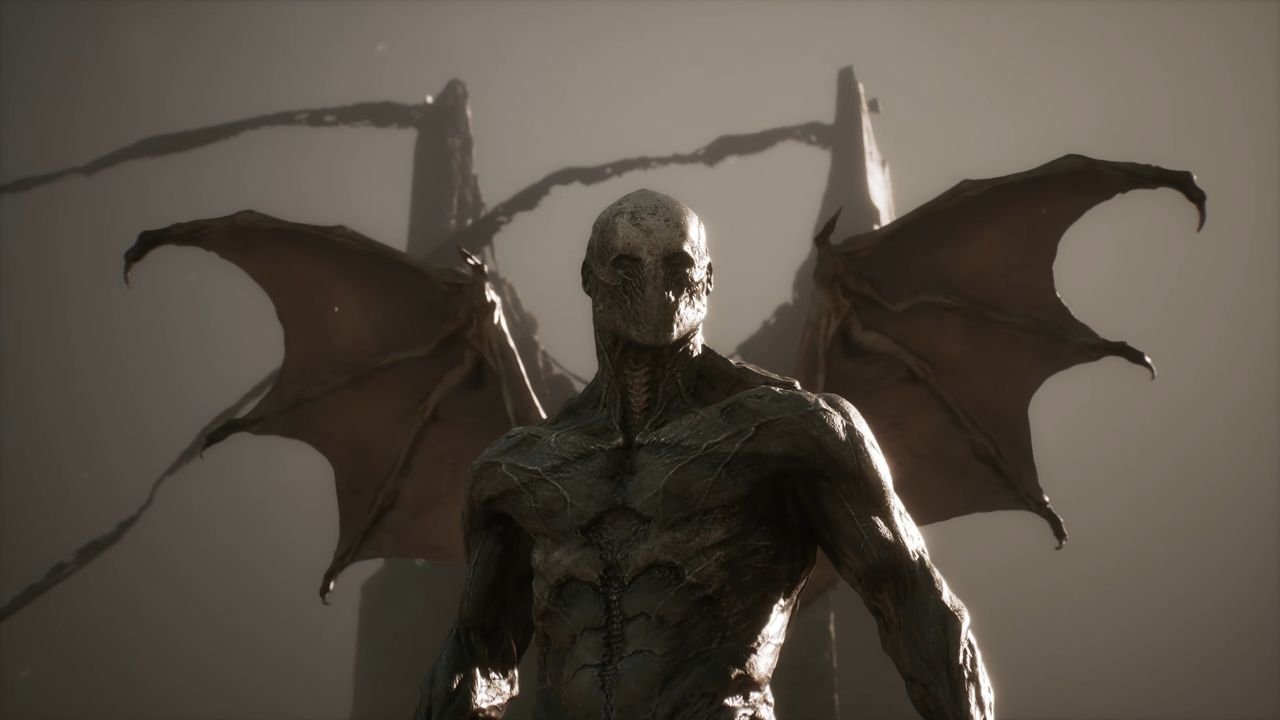
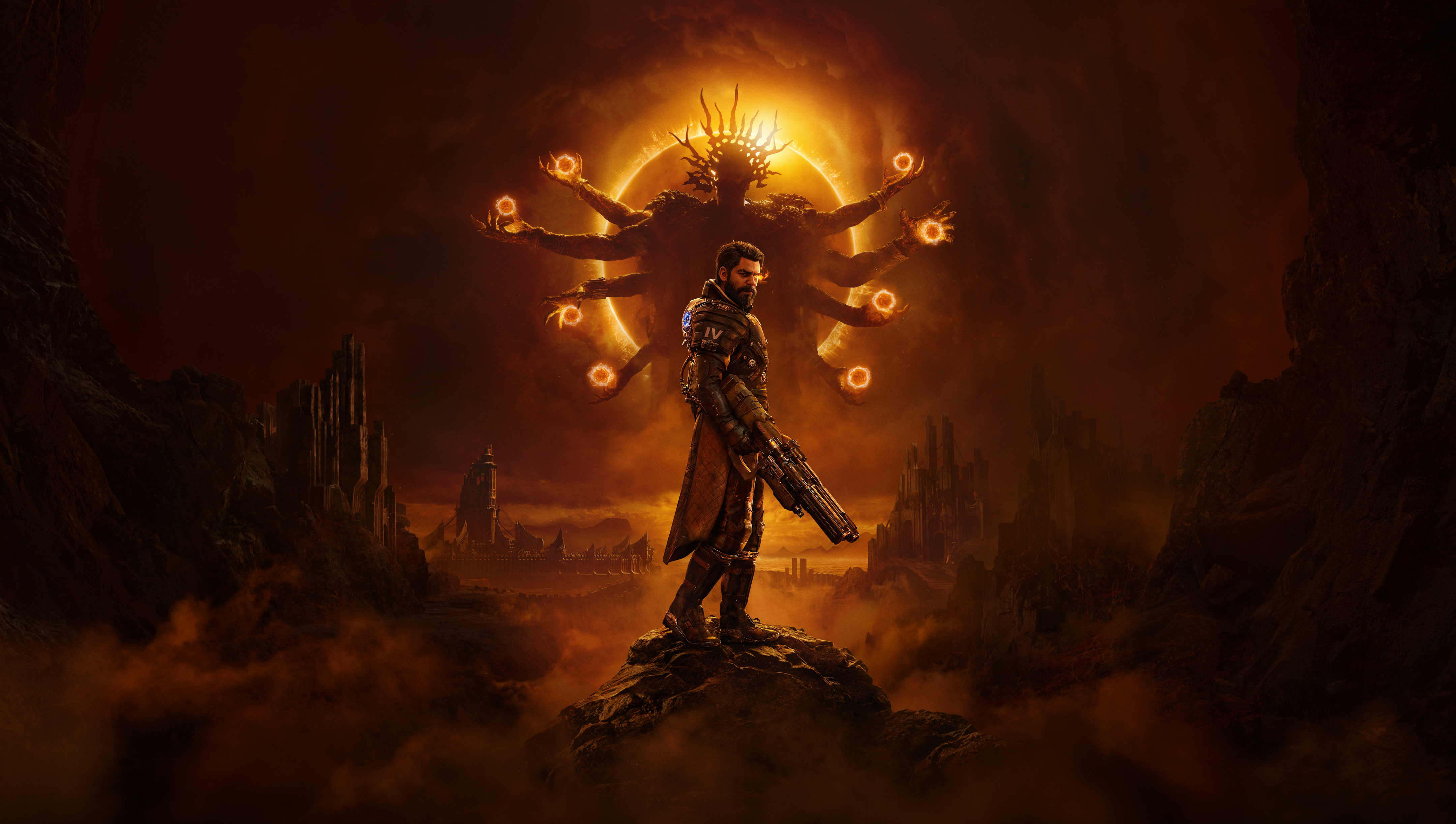
In the latest offering from Housemarque, titled Saros, players are thrust into the shoes of Arjun Devraj, a protagonist navigating a war that is not easily won through brute strength alone. Set against the backdrop of a nightmarish planet, Saros immerses players in a relentless cycle of combat, where failure is not just a possibility but an expected outcome. Devraj's struggle against hostile creatures and rogue machines underscores the psychological torment of a world where madness runs rampant, comparable to the existential dread often found in sci-fi narratives.
The premise of Saros revolves around the planet Carcosa, a landscape marred by perpetual eclipses that induce madness in its inhabitants. The narrative begins when an expedition team sent by Soltari, a powerful tech corporation, goes silent. In response, a rescue team is dispatched to uncover the fate of the missing crew. It is within this context that players witness Devraj’s personal mission to find a specific individual, intertwining his journey with the broader themes of survival and discovery.
Gameplay Mechanics and Roguelike Elements
Saros attempts to build on the roguelike mechanics popularized by its predecessor, Returnal, yet it grapples with defining its own identity within the genre. A compelling roguelike is characterized by a sense of empowerment stemming from the iterative process of learning from failures and gradually improving. However, Saros leans heavily into progression systems, at times overshadowing the essential core of skill and experimentation that defines successful entries in this genre.
As players navigate the vibrant yet perilous environments of Carcosa, they encounter a variety of challenges that test both their reflexes and strategic thinking. The game employs a third-person shooter dynamic, where players must dodge waves of colorful energy attacks while unleashing their own arsenal of weapons. The mechanics may feel familiar to enthusiasts of Returnal, but Housemarque’s approach aims to refine and enhance the gameplay experience, resulting in a visually stunning, albeit uneven, shooter.
Narrative and Character Development
The narrative structure of Saros mirrors the intensity of its gameplay but falters in delivering a compelling story. While the game has solid foundations with its engaging character portrayal by Rahul Kohli as Devraj, the overall execution leaves much to be desired. Players sense a depth to Devraj's character, as he grapples with hidden traumas and emotions that are slowly revealed throughout the game. However, the narrative struggles to elevate itself beyond a straightforward sci-fi drama, lacking the intricate storytelling that made Returnal resonate with players.
Devraj's journey is filled with literary references and symbolic undertones, yet the narrative fails to capitalize on these elements effectively. The exploration of themes such as saṃsāra, or the cycle of life and rebirth, is present but does not fully engage players as they navigate through the predictable story beats and clichéd supporting characters that populate the game.
Action and Combat Dynamics
Where Saros shines is in its action and combat mechanics, which draw heavily from the successful formula established in Returnal. Housemarque demonstrates its proficiency in crafting visceral combat experiences, utilizing the PS5’s advanced hardware to create a tactile and immersive shooting experience. The variety of weapons available, ranging from shotguns to crossbows, provides players with a degree of customization and experimentation that enhances their engagement with the game.
The thrill of discovering new weaponry and experimenting with their capabilities is a highlight of the gameplay experience. Each weapon variant offers unique attributes, encouraging players to adapt their strategies in the heat of battle. The integration of the DualSense controller further amplifies the experience, allowing players to feel the impact of their actions more profoundly as they engage with the environment and enemies.
ZenilGames Commentary
From an editorial perspective, the reception of Saros illustrates the challenges of following up a critically acclaimed title such as Returnal. While the game undoubtedly showcases Housemarque's ambition to innovate and expand upon its previous success, it remains clear that the transition to a new narrative and gameplay framework is fraught with difficulty. The identity crisis between being a sequel and a standalone title may confuse players, leading to a disjointed experience.
The reliance on established mechanics and themes, while comforting for fans of the genre, may also hinder Saros from carving out its unique niche. The juxtaposition of intense gameplay against a lackluster narrative framework raises questions about the balance between action and storytelling in modern gaming. Players often seek not only skillful combat but also emotionally resonant narratives that elevate their gaming experience.
Ultimately, Saros serves as a reminder of the high expectations set by its predecessor, and while it brings some innovative elements to the table, it may not fully satisfy those looking for a profound storytelling experience. As the gaming community continues to evolve, the demand for both engaging gameplay and rich narratives will likely shape the future of titles similar to Saros.
Frequently Asked Questions
What is Saros about?
Saros follows the story of Arjun Devraj, who is part of a rescue mission on the alien planet Carcosa, facing hostile creatures and uncovering the fate of a lost expedition team.
How does Saros compare to Returnal?
While Saros shares gameplay mechanics with Returnal, it struggles to replicate the same depth of narrative and emotional engagement, centering more on action and progression.
What gameplay features can players expect?
Players can expect a variety of weapons, a third-person shooter dynamic, and engaging combat mechanics that utilize the PS5’s DualSense controller for a tactile experience.